


Pantry pest prevention starts with simple checks when you buy groceries and smart storage at home. You will learn how tiny eggs in packaged goods can seed larger problems in your kitchen, and why early action saves food and money.
This guide shows clear steps you can take now: inspect new items, use airtight containers, rotate stock, and set monitoring traps. These habits stop moths, weevils, and other pests before they spread to nearby jars and bags.
Expect practical, natural methods rather than last-minute pest control reactions. Each section explains why infestations start, how to spot early signs, daily routines that work, storage upgrades, deep cleaning, and how to use traps to track progress.
When you follow these steps, you cut waste, protect stored foods, and avoid repeat infestations. Read on to build a routine that keeps your kitchen organized and your food safe.
Why pantry moths and weevils keep showing up in your kitchen
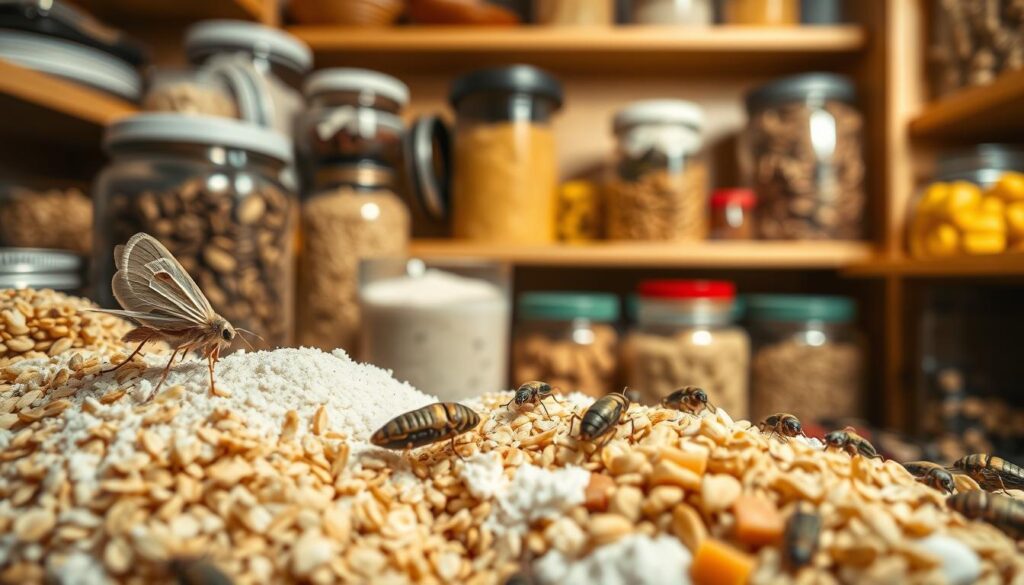
Small insects in dry goods often arrive tucked inside packages before you bring groceries home. Many problems start long before you open a bag or box.
How infestations start through packaging and stored goods
Most pantry pests enter your house inside contaminated packaging. Tiny openings, weak seals, or damage during shipping and storage let insects into boxes and bags.
From that single item, eggs and larvae can spread to nearby goods. You may not notice adults at first, because the larvae develop inside the food.
Common types to watch for
Look for Indian meal moths near cabinet lights, small flour beetles in flour and cereals, and weevils in grains and seeds. These types reproduce quickly and hide in dry food.
What’s really at risk
Contaminated food can have eggs, larvae, shed skins, or fine webbing. That leads to wasted groceries and recurring infestation unless you remove the source item.
- Entry points: damaged packaging and weak seals.
- Hotspots: pasta, cereals, rice, flour, and pet food.
- Goal: make your storage a hard place for pests to enter and breed.
Spot the early signs of an infestation before it spreads
Catch an infestation early by learning the small, visible clues that appear around stored foods. A quick visual check saves money and stops insects from moving to other items.
Visual clues to watch for
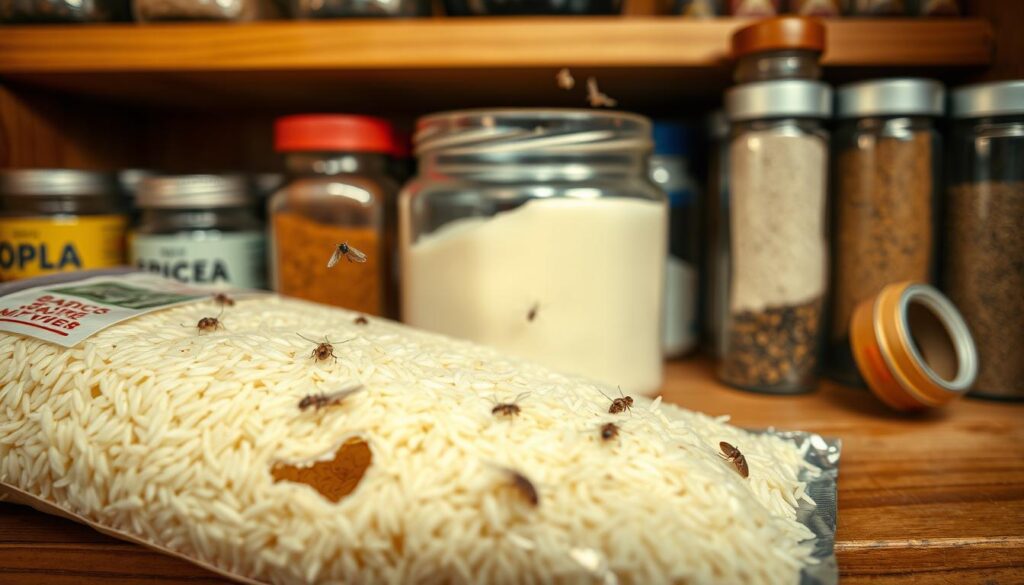
Look for webbing clumped in package corners, tiny larvae, translucent eggs, shed skins, or live insects crawling on surfaces.
Webbing often signals moth larvae that spin silk as they feed. That webbing is usually the first unmistakable sign to act on.
Step-by-step inspection flow
- Pull one category of products at a time—flour, rice, and cereals first.
- Check seams, folds, and shelf edges for stray grains or movement.
- Inspect spices, pasta, baking mixes, and dry pet food, then return items in order.
Triage and hotspots
- If you confirm insects in a product, treat that item as the source and isolate nearby items.
- Plan a full shelf reset if needed and inspect seldom-used foods at the back of shelves.
- Common hotspots: flour, pasta, cereals, rice, spices, baking mixes, and dry pet food.
Pantry pest prevention habits that stop infestations naturally
A few quick checks at the store and at home cut risk and save you from future mess and waste.
Inspect before you buy. Check seals, corners, and bottoms of products for tears, stains, pinholes, gnaw marks, or odd smells. If a box or bag looks compromised, leave it on the shelf.
Use it faster
Buying only what you will use soon reduces the time food sits untouched. The less time an item stays on your shelf, the fewer chances insects have to hatch and spread.
Rotate and reset
Move older items forward, note expiration dates, and plan meals around what’s already open. When you spot an issue, pause restocking, re-check nearby items, and remove anything questionable before it becomes worse.
- Before it enters your house: check seals and odd odors.
- Buy smaller quantities: use foods faster to cut risk.
- Rotate stock: older items first, discard expired goods.
Small habits—inspecting, using food sooner, and rotating—are the most practical way to reduce problems from moths, weevils, and beetles. Make these steps a routine and you’ll save time and food.
Store food the right way to block moths, weevils, and beetles
How you store dry goods is the single best defense against moths, weevils, and beetles. Moving items into sealed containers stops insects from chewing through thin bags and limits spread between products.
Airtight containers that work
Choose airtight glass, ceramic, or hard plastic jars with tight lids. The seal matters more than looks. These materials hold up over time and keep out invaders.
When to use the freezer or fridge
For new purchases you suspect or long-term storage, use the freezer or refrigerator as an extra layer. Freezing kills eggs and larvae in flour, rice, and similar goods.
How to organize shelves so you see problems early
- Leave visible space between containers so you can scan shelves quickly.
- Avoid stacking too tightly; keep the back accessible for checks.
- Containerize first: flour, rice, pasta, cereal, baking mixes, nuts, and pet food.
Good storage plus smart shelf layout reduces hidden infestations and makes your kitchen easier to maintain week to week. Small changes now save time and waste later.
Deep-clean your pantry to remove hidden eggs and food sources
A deep, methodical clean removes hidden eggs and the crumbs that feed infestations. Make this a scheduled task so small issues don’t become repeated problems. Do the work in clear steps and keep suspect items isolated until you finish.
Empty, vacuum, and wipe down shelves
Step one: remove all items and sort them. Toss anything infested or questionable and set safe items aside in sealed containers.
Next, vacuum corners, seams, and peg holes. Vacuuming pulls out crumbs, spilled grain, and eggs before you wipe.
Finish by wiping surfaces with soap and water. Clean shelves, walls, doors, and hardware to remove residue that attracts pests.
Don’t miss these egg-catching zones
Check corners, adjustable shelf peg holes, and shelf-wall seams carefully. These hidden spots collect webbing and eggs even after a quick wipe.
Seal cracks and schedule seasonal deep cleans
Use caulk to fill cracks and crevices near shelving, trim, and baseboards. Sealing reduces hiding places and limits new entry points.
- Remove items: empty shelves and isolate goods.
- Vacuum first: dislodge crumbs and eggs from seams.
- Wipe with soap and water: reset the shelf surface.
- Seal cracks: caulk gaps to block access.
Do a full deep clean about four times a year. Regular cleaning keeps the source of infestations under control and makes ongoing checks faster and more effective.
Natural deterrents and monitoring tools you can use year-round
Use a mix of natural scents and simple monitors to keep an eye on trouble all year. These tools are a supplement to good storage and regular cleaning, not a full replacement.
Bay leaves, cloves, cinnamon, and peppermint oil: what they can and can’t do
Bay leaves, cloves, cinnamon, and peppermint oil may act as a mild scent barrier. Placed near shelves or containers, they can discourage some moths and other small invaders from settling.
Expect mixed results. Use these aromas after you clean and seal products. Do not rely on them as your main control method.
Pheromone pantry moth traps for monitoring and control windows
Pheromone glue traps (for example, Pro-Pest Pantry Moth & Beetle Trap) are pesticide-free monitors that lure and catch male moths. They help you detect activity early and reduce breeding.
How long traps stay effective and where to place them for best coverage
- Replace traps every 60–90 days (about 2–3 months) or sooner if full.
- One trap covers roughly 100 square feet; place on shelves or hang where it won’t be disturbed.
- When a trap shows activity, inspect nearby products, check seals, and do a targeted clean to regain control.
Conclusion
A short, repeatable set of steps will stop most infestations before they start.
Follow the prevention loop: inspect new purchases, move dry goods into airtight containers, clean shelves regularly, and use traps to monitor activity. These steps limit entry, food for insects, and breeding spots.
Grain-based items attract most invaders, so your setup should make it hard for them to enter, feed, and reproduce. Cut clutter, rotate stock, wipe spills fast, and deep-clean seasonally to remove hiding places.
When you act on early signs, you waste less food and avoid repeat resets that cost time and money. Today, set up containers, add a monitoring trap, and schedule your next clean to keep your home protected long term.