
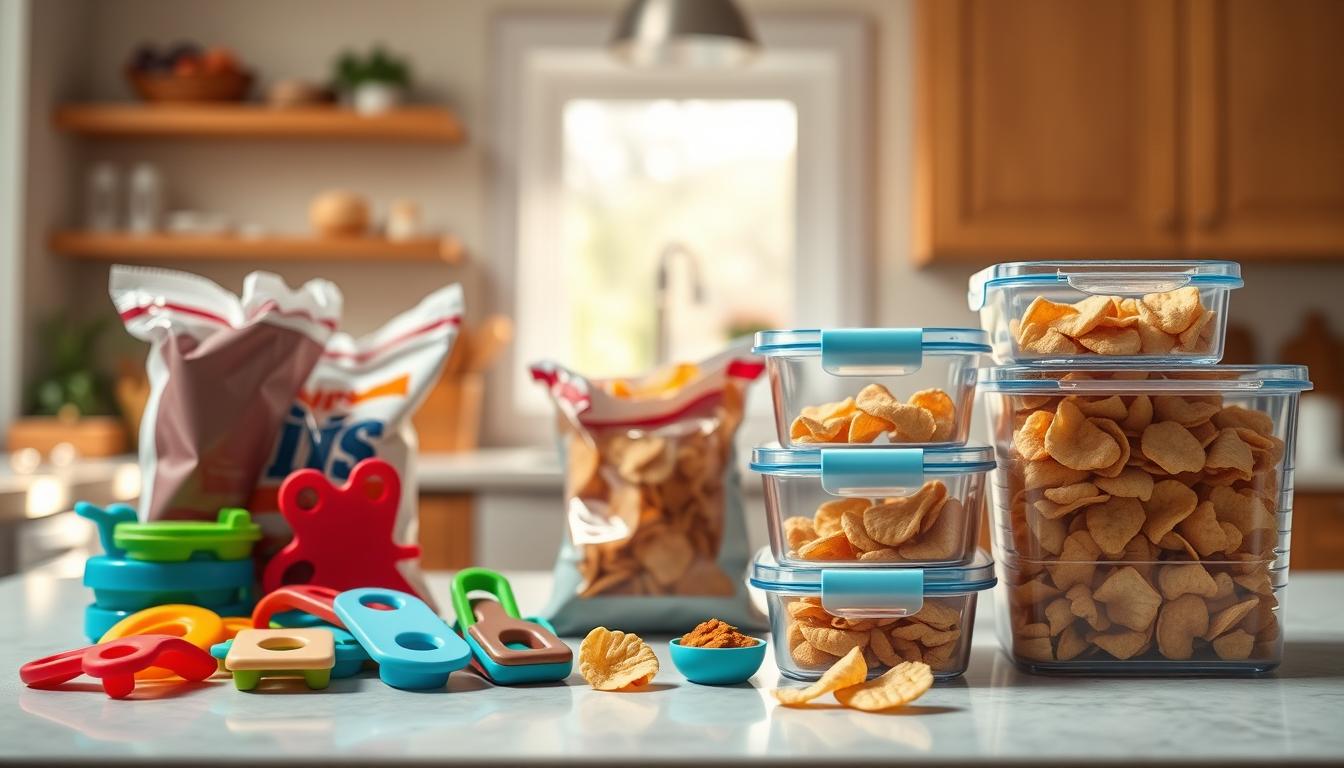
You’re about to learn the practical difference between common bag seals and rigid boxes, and which method truly keeps chips and other snacks crisp after opening.
Think about your habits: do you finish a bag in one sitting, tuck it away for weeks, or keep several open at once in your kitchen? That habit guides the best choice for your pantry.
Freshness is mostly about limiting air exchange, not just folding a bag over. Small gaps let humidity and oxygen speed flavor and texture loss.
The guide will give a US-friendly breakdown of cost, space, and convenience so you can pick the right storage solution without overbuying organizers.
We’ll also preview bag-based sealing tools — magnetic clips, clamps, sealing sticks, and mini heat sealers — as a middle ground between clips and containers. The simple goal: choose the way that fits your snack frequency, footprint, and how much effort you’ll actually use each day.
What “stale” really means for chips and snacks in your kitchen
Staleness isn’t just about old taste — it’s a measurable change in texture and aroma after a bag is opened.
Stale snacks lose crunch, develop muted flavor, and often get that cardboard note. You notice less crispness and a duller scent when air and humidity reach the food.
Why air exposure is the main problem
Every time a bag moves, fresh air can enter. Oxygen reacts with oils and seasoning, speeding quality loss.
A true seal stops airflow. A folded top still lets tiny gaps leak, so the snack ages faster than you expect.
How time in the pantry changes snacks
- Day 1: crunch and aroma are near-original.
- Day 3: oils begin to oxidize; flavor softens.
- Day 10: texture is noticeably limp and taste is flat.
When the fridge or freezer helps
The fridge can help only specific items; moisture and temperature swings can make crisps soggy once they warm. Freezing slows loss but only if the bag is truly closed to prevent freezer burn.
Chip clips vs containers: which seals better for your chip bags and snack bags?
When you open a bag, the freshness race starts — the solution is how well your seal blocks oxygen and moisture.
Fast, cheap, convenient — but rarely airtight
Clips and bag clips win for speed. You can snap a clip on and get back to snacking. Many are inexpensive and take almost no space in your pantry.
Consumer Reports notes real-world winners: Melissa Garber favors Oxo Magnetic All-Purpose clips for durability and fridge use. Karla Noboa points out mini spring clamps hold strong when typical clips pop off.
Consistent sealing with a predictable result
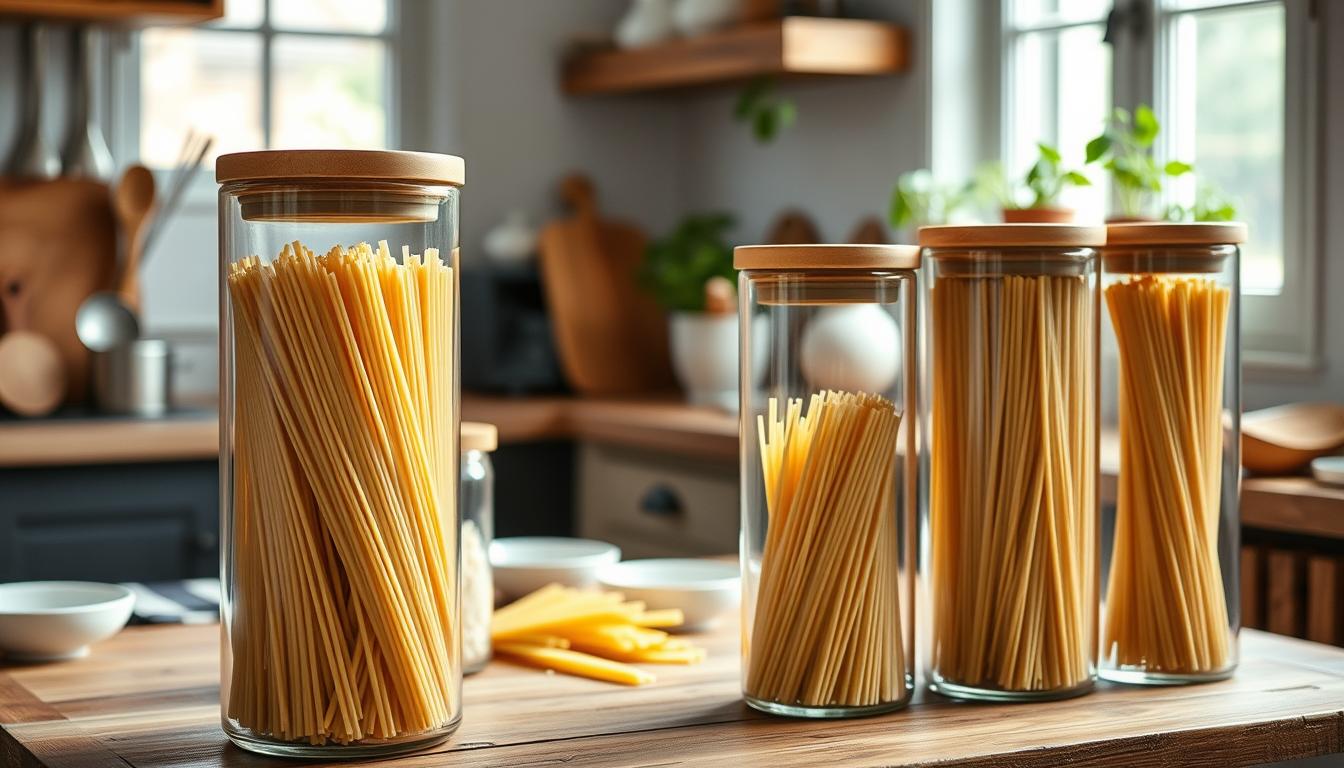
Containers offer a steady seal for chips, crackers, and cereal. A rigid box limits airflow reliably, so snacks stay crisp longer.
Real-life breakdowns, footprint, and cost
- Awkward bag shapes or half-full bags can foil a clip’s grip.
- Clips often end up scattered in a drawer or on counters; Ikea Bevara is praised for lasting tight seals and easy storage.
- Containers take more shelf space and come in multiple sizes, so you spend more upfront but may save money by tossing fewer stale snacks.
Chip clips and sealing alternatives that actually work on bags
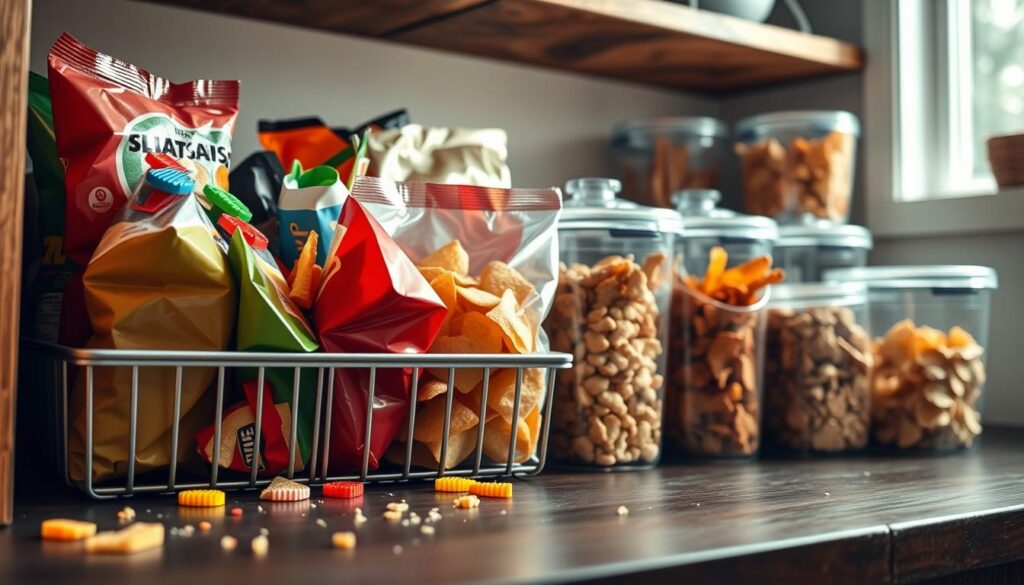
Not all bag fasteners perform the same. Below are practical options you can keep in the pantry so your snacks stay crisp without moving food to another container.
Magnetic everyday holders for quick access
Oxo Magnetic All-Purpose Clips live on the fridge, so they don’t vanish into drawers. Melissa Garber notes they “don’t break” and work well on pretzels and Extra Toasty Cheez-Its.
Clamp-style grips when your bag keeps popping open
Mini spring clamps give a stronger hold when a bag slips free. Karla Noboa calls them “very strong” and highlights the accessibility benefits for limited grip strength.
Slide-on sealing sticks that lock a fold
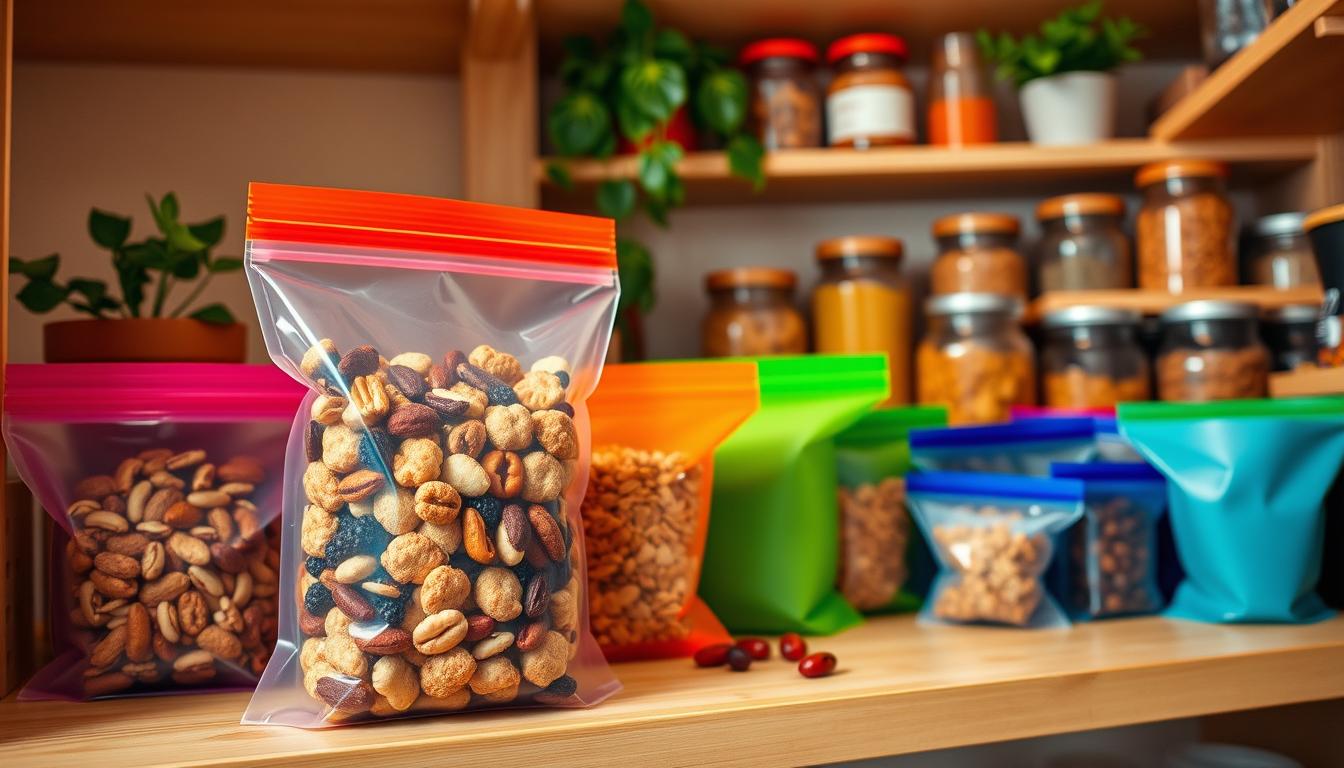
Gripstic sealing sticks wedge the whole fold across the bag. They cut air exchange and store like a straw in a jar, saving zip-top waste.
Heat sealers for longer gaps between snacking
If you snack rarely, a small sealer can outperform manual fasteners. The Comtar Mini Bag Sealer with cutter is compact, trims excess, and often gets a good seal within two tries.
Long-lasting classics that stay put
Ikea Bevara clips are built to last; users report reliable seals for 20+ years. They hold thicker bags firmly and are an inexpensive, durable product to try before buying storage boxes.
- Match the tool to the bag: slippery snack bags, thick freezer bags, and bulky multi-serve packs each benefit from a different approach.
- Keep a small set: a magnetic pair, a clamp, and a sealing stick cover most pantry needs without clutter.
Best-use scenarios: how to choose the right storage method for your food and habits
Match your storage to how you actually eat. If you finish bags in a few days, favor quick seals that you will actually use. If you open items and return weeks later, pick a stronger reseal or an airtight option.
If you snack quickly
For short timeframes, a sturdy snap-on or magnetic option on the fridge gives enough protection. Brands like Oxo work well and stay visible so you won’t forget to close a bag.
If you come back weeks later
Use a mini heat sealer or rigid seal tool like the Comtar Mini Bag Sealer. Small leaks add up over time, so invest in a reseal that minimizes oxygen and humidity ingress.
When bag sealing beats rebagging
- Freezer items: peas, corn, and prepped portions that benefit from a tight original seal.
- Pantry staples: flour, sugar, rice, pasta, and beans—sealing the original bag often saves space and plastic.
- Greens and tortilla-style snacks: sealing sticks keep freshness without extra transfer.
Households with kids and plastic waste
Keep seals visible—magnetic fasteners on the fridge reduce drawer chaos and help kids close snacks. Use Gripstic-style sealing sticks to cut down on extra zip-top plastic and rebagging.
Conclusion
How you reseal an opened snack often decides whether it stays crunchy or goes flat.
Clips win for speed and daily use, while airtight containers usually protect freshness best over time. Sealing sticks keep pantry rows tidy, and a small heat sealer helps when bags sit for weeks.
Think about your life and kitchen habits. If you finish bags in days, a quick clip works. If snacks sit, spend a bit on a good container or a sealer to avoid waste and repeat purchases.
Quick checklist you can use now: identify your top three snack bags, pick one everyday clip option and one long-gap solution, and store both where you always reach for them.