
Pick a practical mix of containers that matches how you cook, pack lunches, and grab quick bites. This guide helps you choose between deep storage and shallow trays without an all-or-nothing pantry overhaul.
Easy access means you can see what you have, reach it fast, and keep food from getting crushed or stale. You’ll learn to match container style to snack type and storage zone: pantry, fridge, drawer, or counter.
The decision framework is simple. Consider snack type, how you store it, and how often you need grab-and-go access. This approach saves time and reduces waste.
We’ll cover materials, seal performance, and cleanability so you buy fewer pieces you actually use. Expect recommendations for deep pantry options, shallow drawer trays, lunch-ready picks, leftover-friendly sets, and budget choices.
The goal is a snack system that works today and scales with hybrid work and school routines into 2026. Build one setup that fits your kitchen and home habits.
Deep bins vs. shallow trays for snack organization in 2026
When mornings speed up, the right storage choices make packing lunches and quick grabs painless. Grab-and-go access is about being able to scan what you have, pull an item with one hand, and trust the lid on the way out.
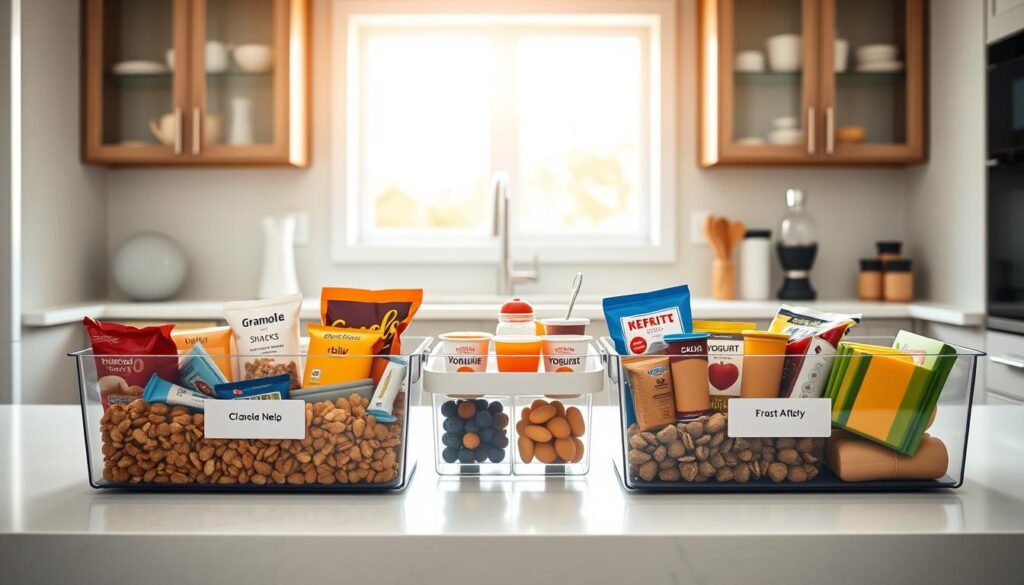
Why “grab-and-go” access matters
In 2026 your routine likely includes faster mornings, more on-the-go eating, and frequent fridge-to-bag transfers. Visibility, ergonomics, and dependable lids reduce wasted time and dropped food.
Where each option wins
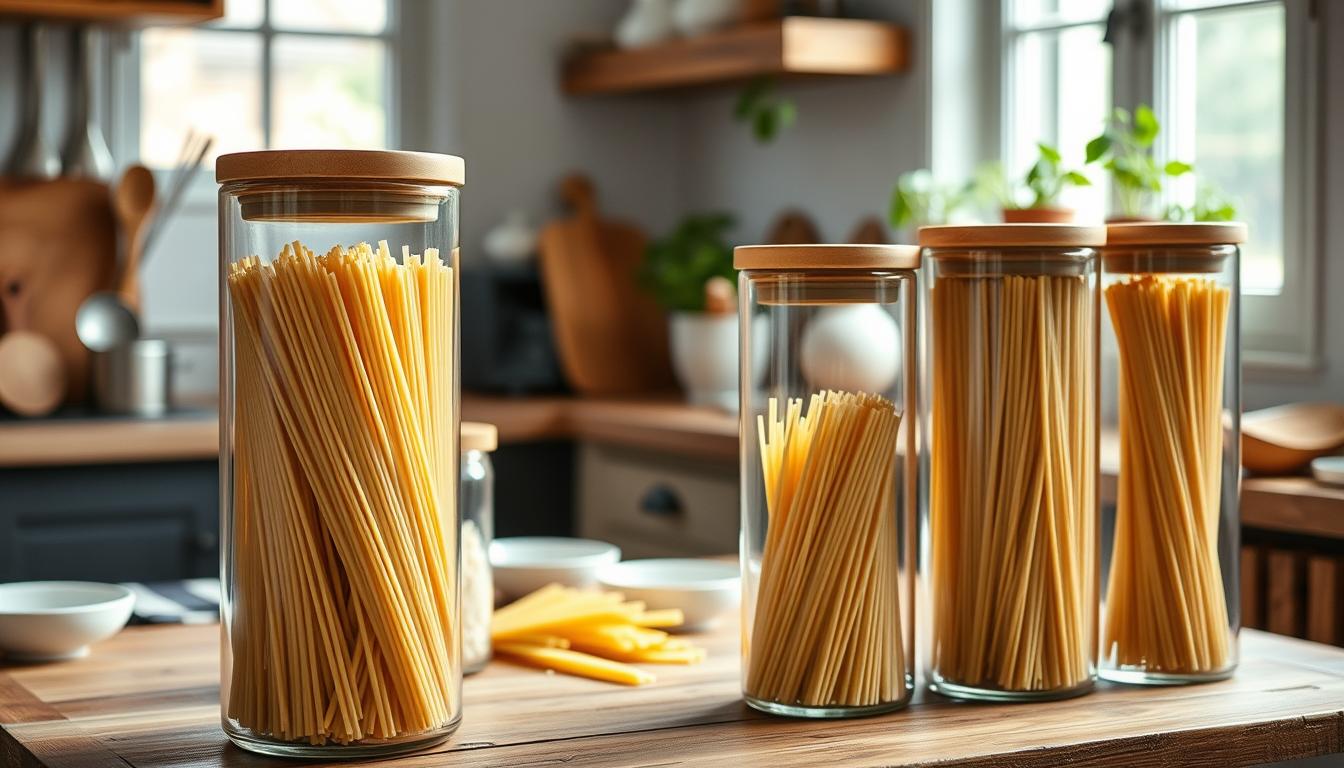
Deep containers give vertical capacity and hold bulk refills or backstock. They work when you need larger sizes and less frequent restocking.
Shallow trays offer single-layer visibility, easier portioning, and fewer lost items during high-traffic times. They are ideal when you prep lunches and want quick access.
- Pantry shelves: straight-sided, stackable containers save space and fit varied sizes.
- Fridge zones: choose leak-resistant, low-profile containers that stay put.
- Countertops: pick attractive, stable shapes that invite one-hand grabs.
Cleaning friction matters: if lids and gaskets are annoying, you’ll stop using a system. Pick pieces with easy-clean seals or removable gaskets.
Quick choose-this-if checklist
- Choose deep if you buy in bulk and need backstock storage.
- Choose shallow if you pre-portion lunches and want fast visibility.
- Mix sizes and shapes—practical mixes beat uniformity in busy kitchens.
How to choose the Best bins for snacks
Start by matching capacity and material to how your household actually eats and packs.
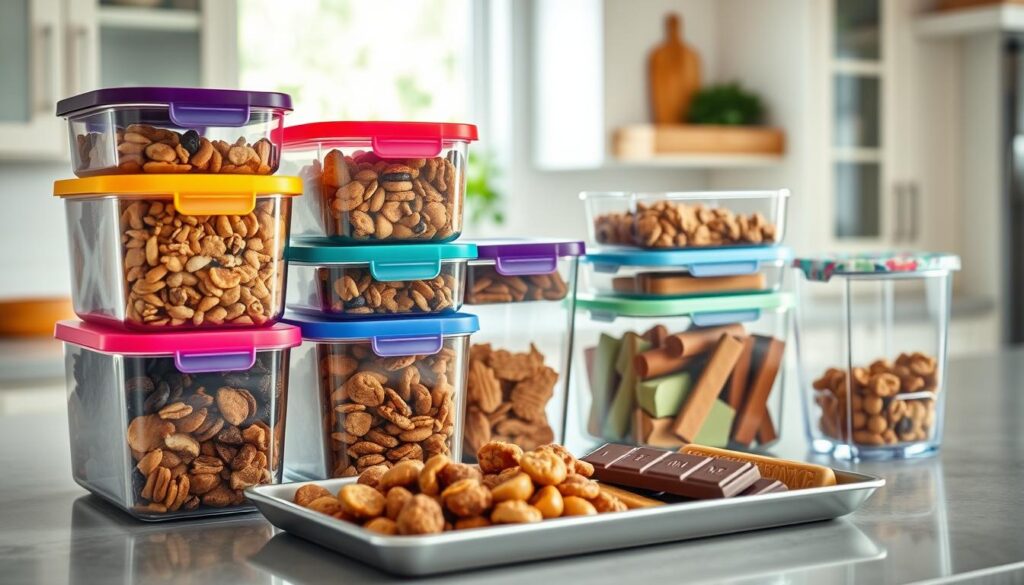
Use a simple buyer’s rubric: capacity, material, visibility, seal strength, stack behavior, and care. That list helps you compare any food storage containers against real needs.
Capacity matters. Pick half-cup options for toddler portions (Comotomo 4 oz/½ cup) and 4–6 quart pieces for bulk cereal or flour (OXO POP, Caraway ranges).
Materials: plastic is lightweight and clear but can stain and warp with hot foods. Glass resists odor and staining yet is heavier. Silicone is flexible and travel-friendly. Stainless steel is durable for kids but not microwave-safe.
Seal styles affect leaks. Expect snap lids, click-lock side latches (OXO Smart Seal), and pop-up button seals (OXO POP). Use GH-style testing: a vigorous shake and a 24-hour upside-down leak test to judge real-world seal strength.
- Capacity and sizes
- Material pros/cons
- Visibility, seal, stack, and care
Choose straight-sided, square shapes to save fridge space (GH). Look for removable gaskets and dishwasher-safe parts to extend longevity, and prefer oven-safe glass if you plan to reheat or bake.
When deep bins are the better pick for snacks
Deep storage wins when you buy in quantity and want one grab to serve many days. Use tall, sturdy containers when you shop a lot at once. They cut down on refills and keep bulk items tidy.
Bulk buys and the bag-in-bin method
Keep factory bags inside a robust container to preserve freshness and control pours. The bag stays sealed while the container corrals crumbs and offers a neat pull point.
Vertical storage and backstock refills
Deep containers handle pouches, bars, and tall boxes without toppling. Wide bases stabilize uneven shelves—a practical tip echoed by The Strategist’s OXO POP note.
- Store once, grab often: one large container replaces many small packages.
- Two-level system: front stock for the week, backstock behind or below.
- Best spots: high pantry shelves and low cabinets where pulling a single bin beats reaching for several items.
Heads up: deep containers can hide small items at the bottom. Use dividers or dedicated small storage containers to keep your kitchen easy to scan.
When shallow trays make snack access faster
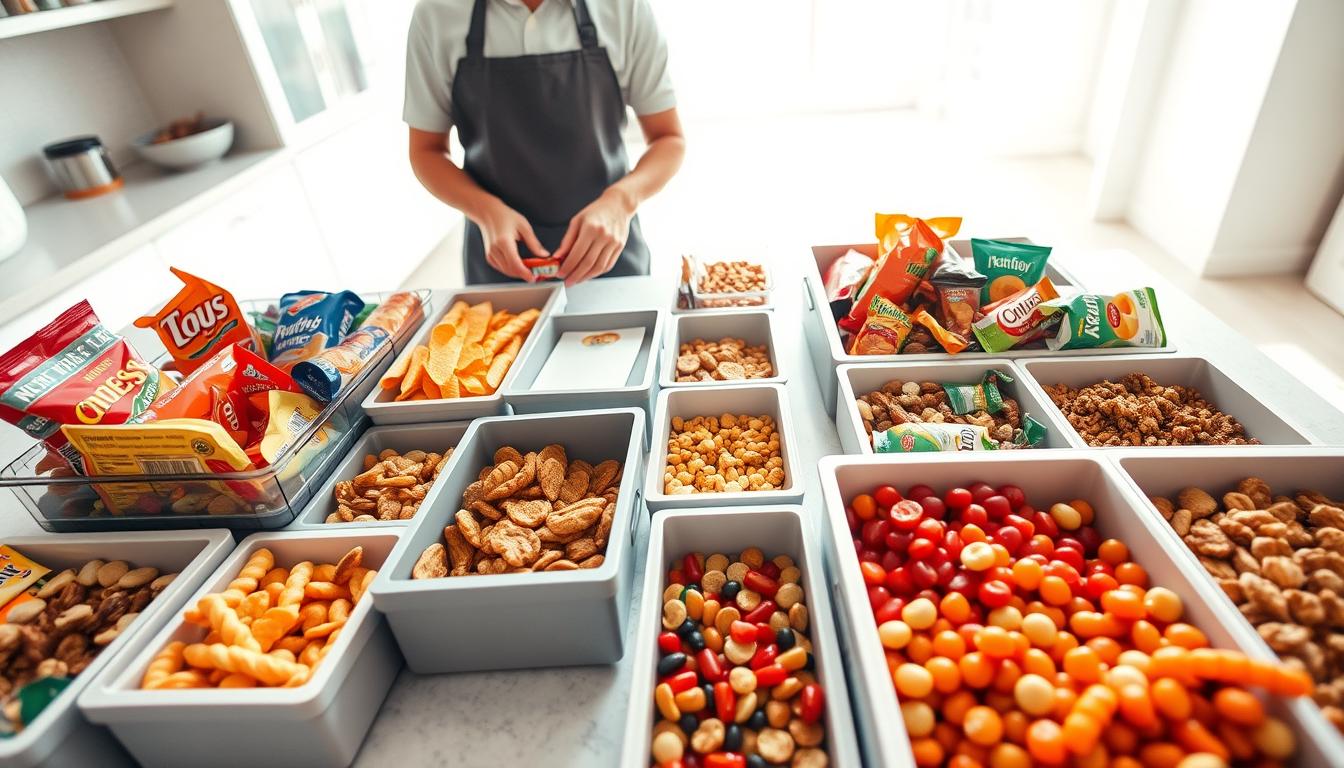
Shallow trays turn a chaotic drawer into a quick-look dashboard you can scan in seconds. With everything laid out in one layer, you spot what’s fresh and avoid forgotten items that spoil.
Single-layer visibility for small snacks, cups, and lunch sides
Single-layer layouts keep fruit cups, yogurt pouches, cheese sticks, and snack-size packs visible so you don’t dig through a deep container. This visibility follows the same principle The Strategist cites: if you can see it, you use it.
Better portion control for kids’ lunches and after-school grazing
Shallow trays naturally limit how much you stage. You can pre-set a week of lunches or a “yes drawer” of after-school items that are visible and easy to return by hand.
- Scan fast: snack dashboards cut decision time.
- Portion ready: single-layer trays encourage set counts of items.
- Easy clean: shallow trays are simpler to wipe and rotate than tall storage that hides crumbs.
Best deep bins for pantry snack storage containers
Deep pantry storage should focus on capacity, stackability, and a seal that keeps dry goods fresher longer.
OXO POP: one-hand dry-good storage and easy scooping
The OXO POP system uses a pop-in/pop-out button seal that you can operate with one hand. Its clear bodies and wide base help you scan and scoop quickly. Sizes range from 0.2 to 6 quarts and some pieces include scoops that attach under the lids.
Note the limitation: POP containers are best at home pantry use. Some users report the seal can lift without pressing the release, so keep them stationary.
Caraway airtight glass: a streamlined container set
Caraway’s glass pieces come in 1, 2, and 4 quart nesting sizes and stack cleanly. The lever creates an airtight seal that slows staling of flour, rice, and cereal.
Remember care: many lids are plastic and larger lids often need hand washing. This matters if you prefer low-maintenance food storage.
Cambro CamSquares: heavy-duty, space-efficient stacking
Cambro square containers offer restaurant-grade durability and a square footprint that saves shelf space. They stack reliably and handle large volume backstock.
Practical tip: lids may be sold separately, so budget the full system when you buy bases and lids.
- Quick pick: OXO POP for pantry visibility.
- Upgrade: Caraway glass for countertop cohesion.
- Volume: Cambro for heavy family storage.
Best shallow trays and low-profile containers for snack drawers
A well-laid shallow tray keeps each treat visible so you can pick and go without digging. Low-profile pieces beat tall tubs in drawers because everything sits in one layer and you avoid hidden items that go unused.
Rubbermaid Brilliance: transparent, stackable plastic
Choose Rubbermaid Brilliance when you want clear plastic that shows contents at a glance. The straight sides and stackable shapes save drawer space and speed prep.
Snap lids seal well for day-to-day use and can be vented for microwave reheats by unsnapping the corner. GH testing found only faint staining after microwaving tomato sauce, though pigmented foods may still mark plastic over time.
Note: Brilliance lids can be bulky to store. If you build a container set, universal lid sizing helps avoid a lid hunt.
Pyrex Simply Store: nestable glass bases
Pick Pyrex when you prefer glass that nests and resists odors better than many plastics. The slim lids keep stacks compact in shallow drawers and the bases move easily from fridge to microwave.
Safety note: Pyrex recommends using a fully preheated oven and letting containers reach room temperature first to reduce thermal shock. Also expect that repeated dishwasher cycles may warp lids and cause leaks, so keep liquids in more secure systems if you need leak-proof storage.
- Why shallow wins: single-layer visibility beats “snack archaeology.”
- When to pick plastic: transparency and stackability for fast prep.
- When to pick glass: nesting, odor resistance, and fridge-to-microwave convenience.
Best for lunch packing and on-the-go snacks
A compact, reliable lunch setup keeps your day moving and reduces decision friction at grab time. Pick pieces that are lightweight, leak resistant, and small when empty so your bag stays tidy.
Stasher silicone bags: flexible packing and minimal space
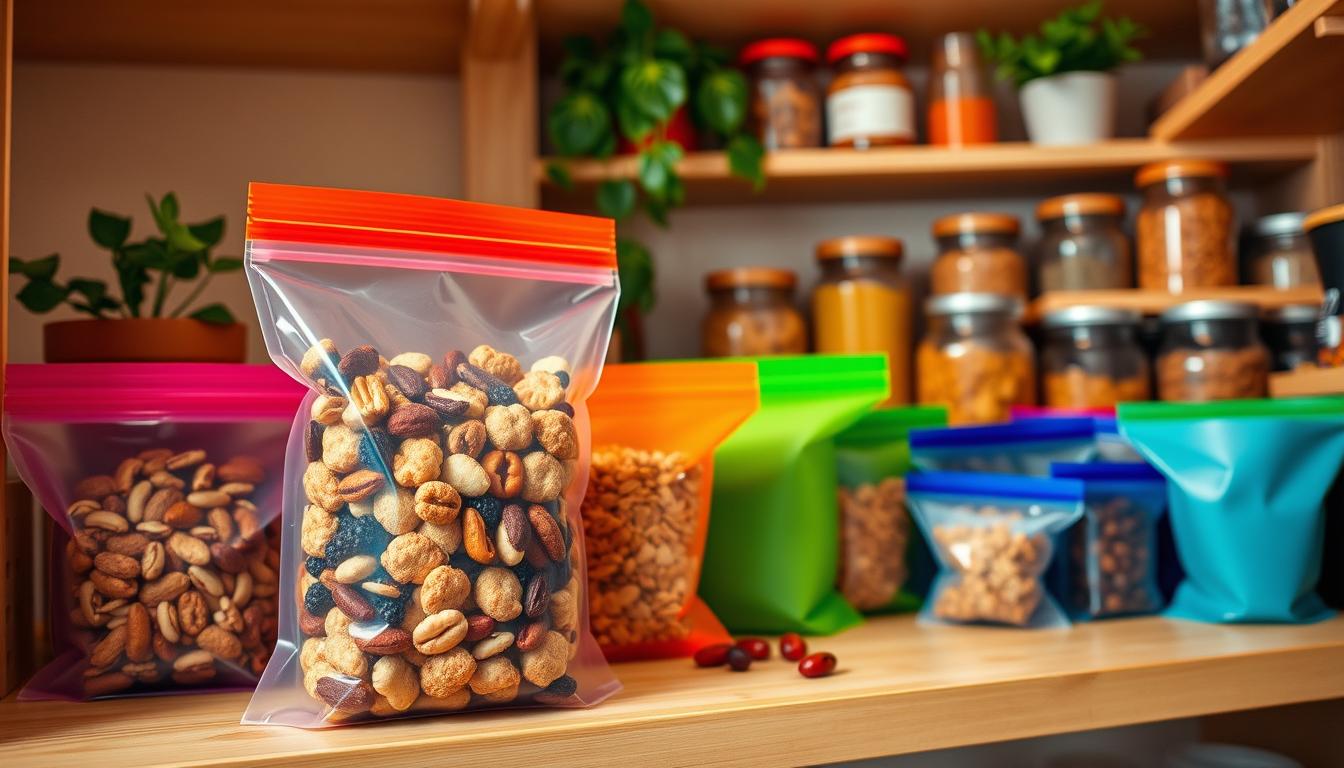
Stasher silicone bags work when you want flexible food containers that take up almost no room. They are dishwasher, freezer, microwave, and oven safe up to 400°F.
Pros: stand-up design, easy to stash in a lunch bag, and broad heat range. Cons: soft sides can crush chips and may stain with tomato sauce.
U-Konserve stainless containers: rugged daily use
U-Konserve stainless steel containers hold up to drops and rough handling, which makes them great for school and active days.
The lids can be tricky at first but stay sealed once seated. Note that stainless steel is not microwave friendly, so plan reheating ahead.
Thin Bins collapsible containers: commuter-friendly
Thin Bins expand for a full meal and collapse flat when empty. They work well if you need space in a commuter bag or a small kitchen.
Use the microwave without lids, and rely on dishwasher and freezer compatibility for easy care.
- On-the-go standard: lightweight, truly leak resistant, and compact when empty.
- Mix smart: one rigid container for crushable items + one silicone bag for overflow beats a single all-purpose piece.
- Care tip: rotate dishwasher-safe pieces and keep a hand-cleanable option for wet lunches during busy years.
Best for leftovers that double as snacks later
Make reaching for a cold pasta salad as simple as grabbing a granola bar by picking the right storage pieces. The goal is a snack pipeline: your leftovers should be visible, smell-free, and easy to reheat or eat cold.
Glass sets resist odors and clean up well. Glass tends to wash back to neutral, so tomato- or garlic-heavy meals won’t haunt your containers. That makes glass a smart choice when you routinely save cooked food as later bites.
Glass sets that clean easily and resist smells
- Pyrex Ultimate glass — glass resists stains and odors. Pieces are freezer-, microwave-, and oven-safe, but the silicone lids are not always travel-tight.
- Rubbermaid Brilliance glass — oven-safe up to 450°F with robust lids and a heavier feel. Good if you reheat directly in the container.
- Why glass? It won’t absorb oil or strong flavors the way plastic can, and it holds up better in the dishwasher over time.
Click-lock lid systems for spill-prone food
Click-locks and side latches add confidence when you store sauces, dips, and wet leftovers. Look for a removable silicone gasket so you can deep-clean where grime gathers.
- OXO Smart Seal glass — click-lock handles with a removable gasket make seals more reliable and cleaning easier.
- Match container type to use: some glass-plus-silicone lids seal well in the fridge but aren’t built for commuting.
Practical tip: Keep a few oven-safe glass containers you actually use for reheating. Fewer dishes and easy access make it more likely you’ll reach for leftovers as quick food later.
Best budget-friendly picks for snack storage
Low-cost storage can still deliver secure lids and steady stacks you rely on daily. A practical approach means you expect three things: lids that fit, stacks that don’t topple, and materials that survive repeat dishwasher cycles.
Restaurant-style deli containers with one-lid-fits-all simplicity
Restaurant-style deli containers (8/16/32 oz) are a top value pick when you need lightweight, stackable containers that double as giving-away tubs. One lid fits multiple sizes, they nest compactly when empty, and they work in the freezer and the dishwasher.
Practical note: deli tubs can warp or discolor over time, but low replacement cost makes them a sensible budget system. Cookbook author Julia Turshen also notes an immersion blender fits a deli container, so you can mix dressings without extra bowls.
Snapware locking-lid plastic sets for stackable value
Snapware Total Solution offers an affordable plastic container set with positive side latches that reduce leaks compared with press-on lids. They stack neatly and give you locking reassurance at a low price.
Expect tradeoffs: plastic may stain with red sauces and latch-style lids can be bulky to store. Still, if you want leak resistance without splurging, Snapware is a strong option.
- Budget guarantee: pick pieces with matching lids and stable stacks.
- Value pick: deli containers for light, multi-size use and gifting food.
- Upgrade pick: Snapware when you need locking lids and extra leak protection.
Note on commerce: this roundup may include links to products; choose what fits your kitchen and replace worn pieces affordably as needed.
Deep vs. shallow for different snack types
Organize by snack type and access needs, and the right containers will follow. Below is a quick decision guide that matches common food types to practical storage choices.
Crushable items: chips and crackers
Protect structure: choose rigid deep jars or rigid shallow trays to keep chips from smashing. A soft silicone bag like Stasher saves space but can crush fragile items (GH).
Shallow layers reduce weight on top, so a single-layer tray often preserves texture better than a tall pile.
Sticky or oily items
Choose glass when you store nut butters or saucy leftovers; glass resists odor and stains (The Strategist). Look for lids with removable gaskets so you can get a true deep clean.
Small items: cups, pouches, and odd shapes
Shallow trays stop little cups and pouches from disappearing under taller items. You see inventory at a glance and waste less.
- Pairing tip: keep deep backstock and a shallow active tray for the week.
- Maintenance: if you dislike scrubbing oily residue, pick materials and shapes that make washing quick and easy clean.
- Practical mix: a few glass pieces plus clear plastic and one silicone option covers most needs.
Material matchup for food storage containers you’ll actually use
Pick the material that fits your daily habits—this decides whether you reach for a piece or let it sit.
Plastic containers: light and budget-friendly
Plastic is affordable and clear, so you can spot food fast. It wins on weight and cost.
Keep in mind: avoid piping-hot food in plastic and expect some staining with tomato-based items. GH testing shows plastic can mark after repeated use.
Glass: easiest to wash and resist smells
Glass cleans well in the dishwasher and won’t trap odors. It gives full visibility of contents.
Tradeoff: glass is heavier and can break, so it’s best at home for leftovers rather than daily lunch transport.
Silicone and stainless steel
Silicone is flexible, freezer- and microwave-friendly, and collapses to save space. Many silicone pieces are less transparent, so label bags or keep a routine.
Stainless steel stands up to drops and rough handling but isn’t microwave-safe. Use it for rugged lunch days rather than reheats.
- Mix strategy: glass at home, plastic containers for light lunch portions, silicone bags for overflow, and stainless steel for tough commutes.
Lids, seals, and leak tests that matter for snacks
A reliable lid decides whether a container spends its life on the shelf or in your daily rotation.
Lids are the make-or-break feature in snack storage. A good seal keeps food fresh and stops leaks that ruin bags and bags in a tote. Pop-up button systems like OXO POP work well for pantry airtightness and one-handed access. Snap lids such as Rubbermaid Brilliance suit everyday fridge use and quick lunch grabs.
Pop-up, snap, and side-latch designs
Side-latch or click-lock designs (think OXO Smart Seal) are best when you store dips and wet items. Those systems often include a removable gasket so you can clean hidden grime.
Why universal lids simplify your kitchen
Universal lids cut clutter: fewer orphan lids, faster packing, and less cabinet chaos. Look for lines that sell replacements.
What lab-style leak testing reveals
A practical leakproof test is a vigorous shake plus a 24-hour upside-down hold, then weigh before and after. If it loses liquid, it fails. When shopping, test the lid one-handed, confirm it snaps consistently, and check gasket removal and replacement availability.
Cleaning and care for long-term food storage
Cleaning well keeps your containers reliable and makes leftovers easier to eat. A short routine prevents stains, odors, and deformed lids over years of use.
Dishwasher-safe parts and gasket removal
Prioritize pieces labeled dishwasher when you run regular cycles. GH testing shows long, high-heat dishwasher stress can warp some plastics and lids over time, so rotate delicate pieces.
Choose lids with removable gaskets so you can deep clean the hidden groove. OXO-style removable seals rinse clean and reduce grime buildup.
Stain and odor prevention for tomato-based and oily foods
Rinse tomato sauces and oily food soon after use. Short rinses stop pigment and oil from bonding to plastic.
When stains or smells linger, use glass when possible. The Strategist notes glass resists odors and is the easiest to wash back to neutral.
- Practical tips: air-dry lids upside down, hand-wash premium lids when required, and keep a set of inexpensive deli containers for lending or high-risk meals.
- Longevity: alternate heavy-use containers with nicer glass pieces so nothing wears out prematurely.
- Easy clean habit: remove gaskets monthly and run a hot dishwasher cycle on durable items.
Space planning: building a snack container set that stacks and nests
Start by mapping your kitchen zones: pantry, fridge, and countertop. This helps you choose the right storage shapes and sizes before purchases. Plan roles—bulk backstock, weekly rotation, and grab-ready items—and buy a container set that supports each role.
Choosing straight-sided shapes to save room in cabinets and the fridge
Straight-sided, square, or rectangular shapes reduce dead space on shelves and drawer rows. GH notes straight edges save room; Brilliance and Pyrex examples show that flat sides stack tight and cut wasted gaps.
Mixing sizes without creating a lid-matching nightmare
Buy lines with universal lids or limit yourself to two to three lid types. Label lids if needed and keep spare replacements. That approach prevents a drawer full of unmatched tops and keeps your food storage routine smooth.
How many containers you need for a typical home snack system
As a baseline, get:
- Two large deep containers for pantry backstock.
- Three to five medium shallow containers for weekly rotation in the fridge.
- Three to six small pieces for dips, fruit sides, and single-serve items.
Match counts to your restock cadence: weekly shoppers need fewer large pieces; warehouse buyers need more deep capacity. Build the set around how you actually eat and store food, and avoid impulse buys that create clutter.
Upgrade options for maximum freshness
Stretch shelf life and cut spoilage by adding selective vacuum and airtight solutions to your setup. These upgrades reduce air exposure and slow staling so your prepped food and snacks last longer.
Vacuum sealing systems that keep ingredients fresher
The Zwilling Fresh & Save system uses a handheld pump and valve to pull air out of compatible glass vessels and plastic bags. That reduced oxygen level slows mold and browning, which helps delicate items like berries stay about two weeks in the fridge, according to The Strategist.
Workflow is simple: place food in the vessel or bag, close the lid or valve, pump until resistance, then store. The sealed package extends make-ahead snacks and prepped ingredients without changing how you pack.
When bags beat rigid containers — and when they don’t
Use bags in the freezer and in tight spaces where flexibility saves room. Bags compress, take odd shapes, and cut wasted air volume.
- Freezer wins: bags freeze flat and stack in tight columns.
- Pantry wins: rigid containers give stable footprints and stackable shelving with reliable lids and seal performance like OXO POP for dry goods.
- Expense and hassle matter: vacuum gear pays off only if you use it often, so match products to your routine.
Conclusion
A clear, small set of rules makes choosing storage simple and keeps food visible, fresh, and ready.
Pick materials and lids that match how you live: glass if you reheat and want odor resistance, plastic or silicone when weight and flexibility matter, and airtight seals when you store wet or bulk items.
Deep containers suit bulk and vertical backstock; shallow trays win when you need single-layer scans and fast portioning. Use one reliable pantry system, one shallow drawer layout for daily grabs, and one travel-ready piece for lunches.
Audit your pain points—lost items, crushed chips, leaky dips, lid chaos—and fix the biggest one first. Start with a single zone (pantry or snack drawer), apply the deep-vs-shallow rule there, and expand once it runs smoothly.