
You probably shopped in quick bursts and later found duplicate cans and forgotten items hiding on shelves. From Rebekah’s experience working from home, a one-time fridge/freezer/pantry check exposed many repeats—about a dozen cans of cream of mushroom soup—while that same item stayed on her grocery list.
Doing a digital inventory is one of the fastest ways to save money: you stop buying duplicates, use what’s on hand, and shop with clearer intent. The setup needs a focused block of time once.
After that, maintaining the digital record takes minutes each day when you tie updates to cooking or putting groceries away. You’ll choose a system you’ll actually use, catalog fridge, freezer, and shelves, then keep it current with small habits.
When you know what you have, you build meals from existing food, skip extra store trips, and cut waste from spoilage. This approach helps you see what’s truly missing before you go shopping and supports smarter spending over time.
Choose Your Digital Pantry Inventory System That You’ll Actually Use
Start by picking one method you’ll actually open and update—consistency beats complexity. A simple system saves you time and prevents duplicate buys.
Google Sheets works well if you want access at the store, at home, and while you cook. Set up clear columns for item, quantity, and location so you can scroll quickly on your phone.
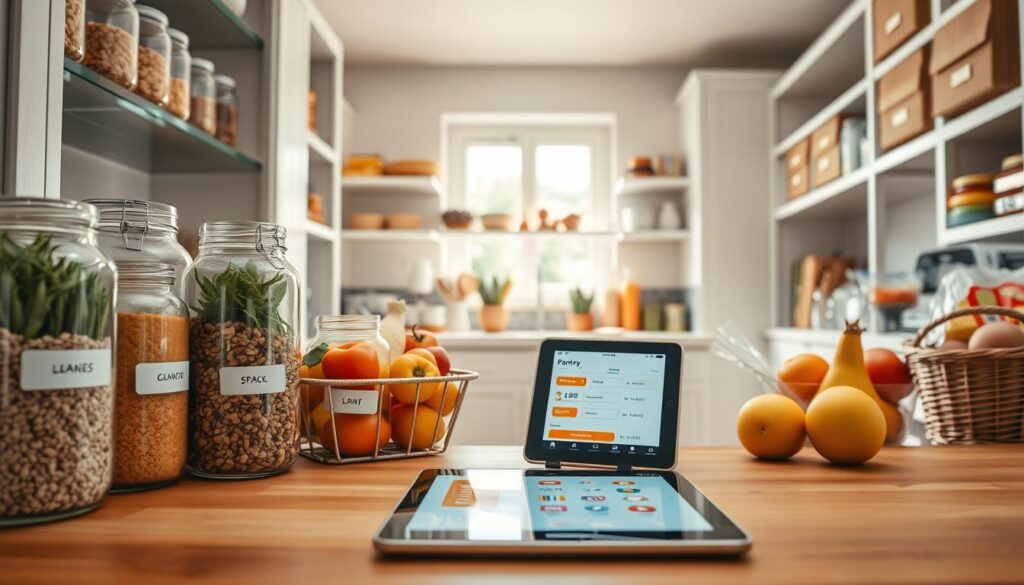
- Make the sheet match how shelves and freezer sections are arranged.
- Enable an offline copy so you can check items even without internet.
- Share the file with everyone in the house so updates happen when someone else cooks or puts groceries away.
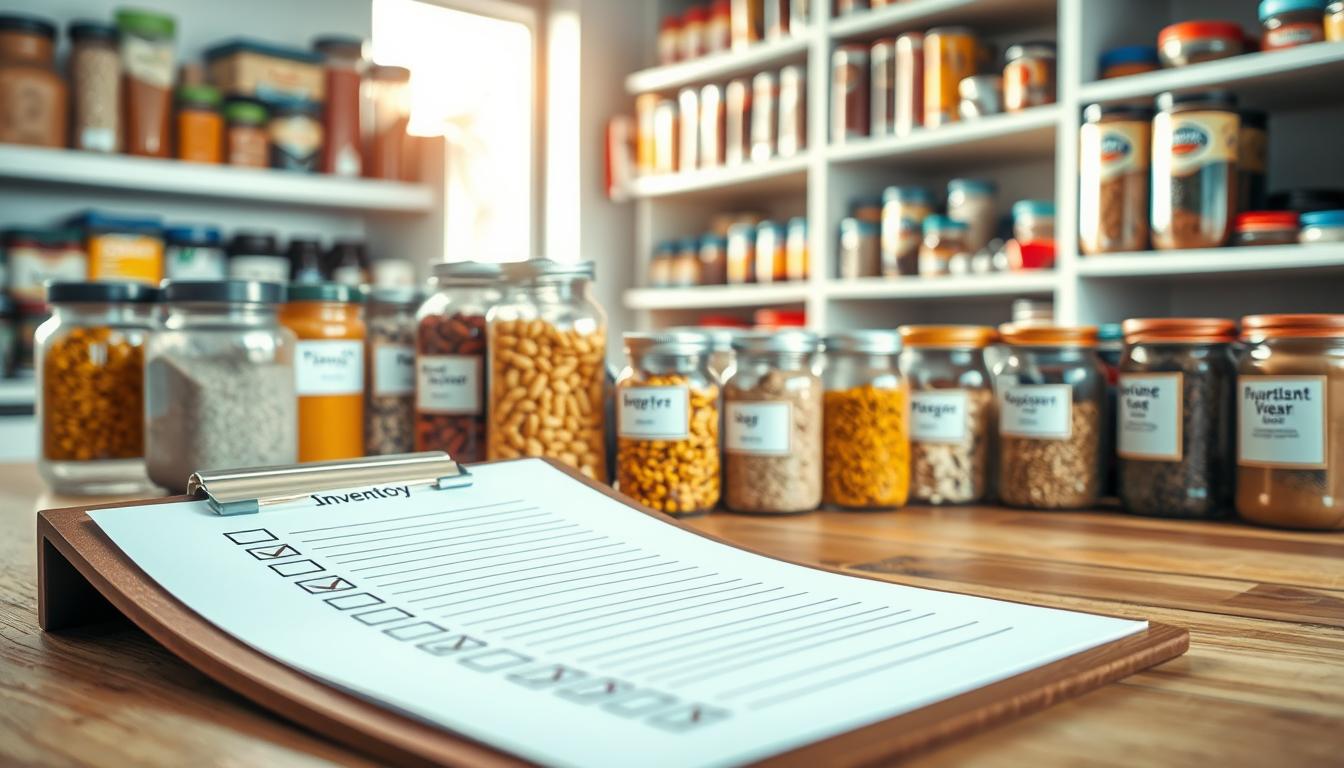
Printable sheets belong on the fridge, on a pantry door, or on the freezer door for quick updates. Laminate a copy or print on cardstock and hang it on a clipboard for durability.
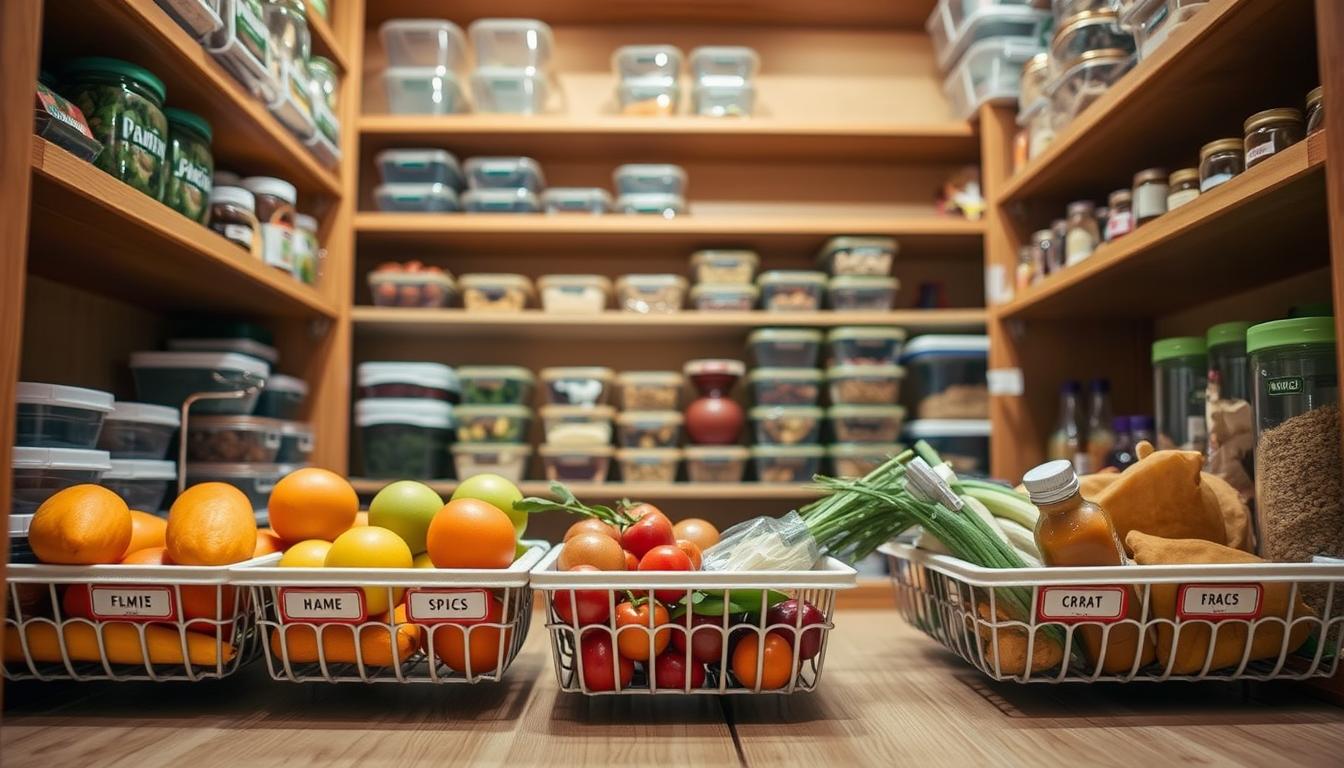
For faster scanning, color-code freezer sections by protein or dessert type. That tiny tweak makes finding what to thaw much quicker and keeps your records useful.
Build a Pantry inventory list by Cataloging Every Item You Have on Hand
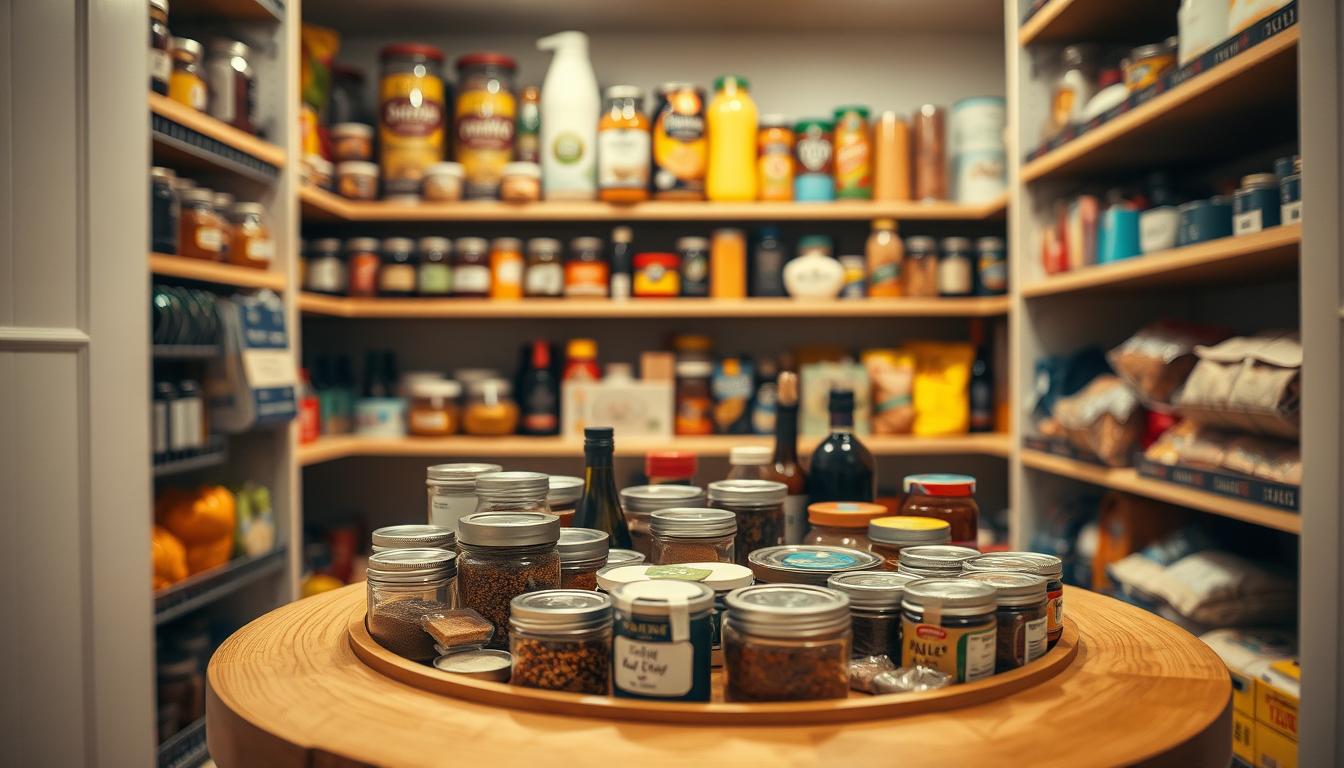
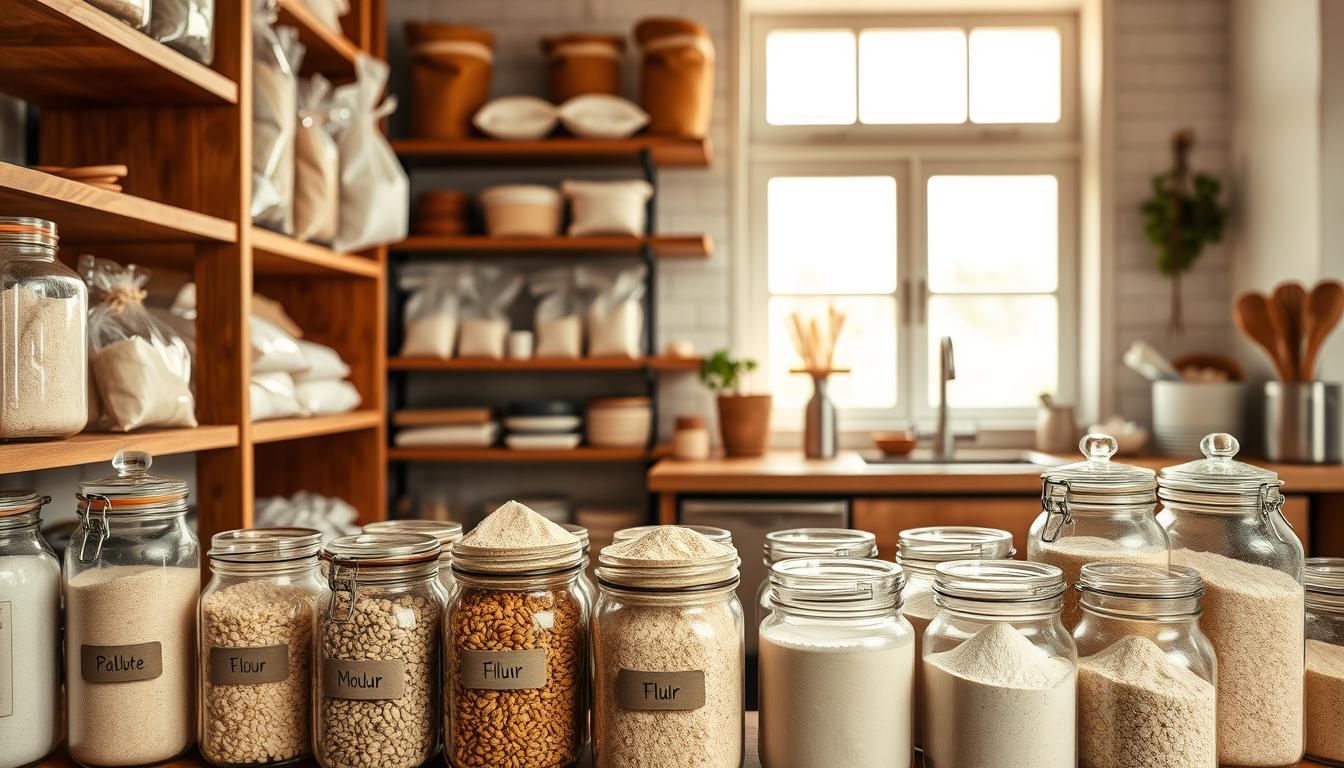
Set aside one focused hour and walk every storage zone to capture what you actually own. Include shelves, cabinets, fridge drawers, and freezer bins so the record matches real life.
Do a full sweep
Work room to room. Pull items forward, group similar items, and note duplicates as you go. This makes it easy to spot extras and save money.
What to log
For each item record the name, how many you have, and the exact section (for example “top shelf” or “freezer left bin”).
Dates and goals
Check expiration dates and toss spoiled food. For frozen goods add the date frozen and a use-by date so nothing becomes a mystery.
Finally, set a realistic goal quantity for staples. Use a spreadsheet rule to flag low stock (rows can change color) so you know what to buy next.
Maintain Your Inventory Over Time Without Spending a Lot of Time
Make minute-long checks part of cooking and putting groceries away to keep your records accurate. Consistency is the core rule: an out-of-date record sends you back to duplicate buys and surprise shortages.
Update while meals cook
When a meal simmers, take 30–60 seconds to mark what you used on your phone or printable. This small step saves you from guessing later and prevents forgotten jars or bags.
Add items as you unload groceries
Right after shopping, add new purchases and note their location before you put them away. Doing this in one flow keeps your counts and places in sync.
Keep locations current when you reorganize
Any time you move shelves, bins, or freezer sections, update location tags. That turns your record into a quick map and cuts search time during meal prep.
- Most updates take under a minute if you do them in the moment.
- Attach updates to cooking and putting food away for effortless habits.
- Up-to-date records mean fewer emergency grocery trips and less wasted food.
Conclusion
Wrap up with a short, repeatable loop: pick the format you’ll use, do one full pantry inventory sweep, then keep it current with small updates tied to cooking and unloading groceries.
When you know what’s on hand, you buy fewer duplicate items, plan better meals, and cut waste — which saves money over time. Start small if needed; even basic staples and freezer staples show quick gains.
Keep these fields: item name, quantity, location, and for freezer inventory include the frozen date and use-by date so food stays visible and usable.
Try a hybrid approach: a shared Google sheet for accuracy plus a visible sheet on the fridge or freezer door for fast checks. Now set aside a block of time this week for the initial sweep, then update during your next meal and grocery put-away.