
Quick buying help: This roundup focuses on large, easy-to-use containers meant to keep flour and sugar fresher, easier to scoop, and less messy. You bake often, buy pantry staples in bulk, and want fewer torn bags and fewer spills on your counter.
You’ll see options in glass, acrylic, ceramic, and metal so you can match your kitchen style and real-world needs. Each option is chosen based on sealing performance, ease of scooping, footprint, and overall price value.
What “best” means here: practical airtight seals, quick access, tidy countertop presence, and good value. Each recommended category aims to solve a specific problem—visibility, airtightness, style, or tight pantry spaces. First comes short buying guidance, then category winners, and finally setup and care tips to help you organize once and keep it that way.
Takeaway 1: Large storage solutions cut waste and mess.
Takeaway 2: Choose material by use—visibility or durability—and balance seal and price.
Why Large Canisters Matter for Your Baking Pantry
Large-capacity containers change how your pantry handles bulk flour and sugar. With a roomy holder you decant a full store-bought bag once and avoid daily top-ups. That means fewer torn bags, fewer spills, and less dust on your counter.
5lb+ capacity benefits
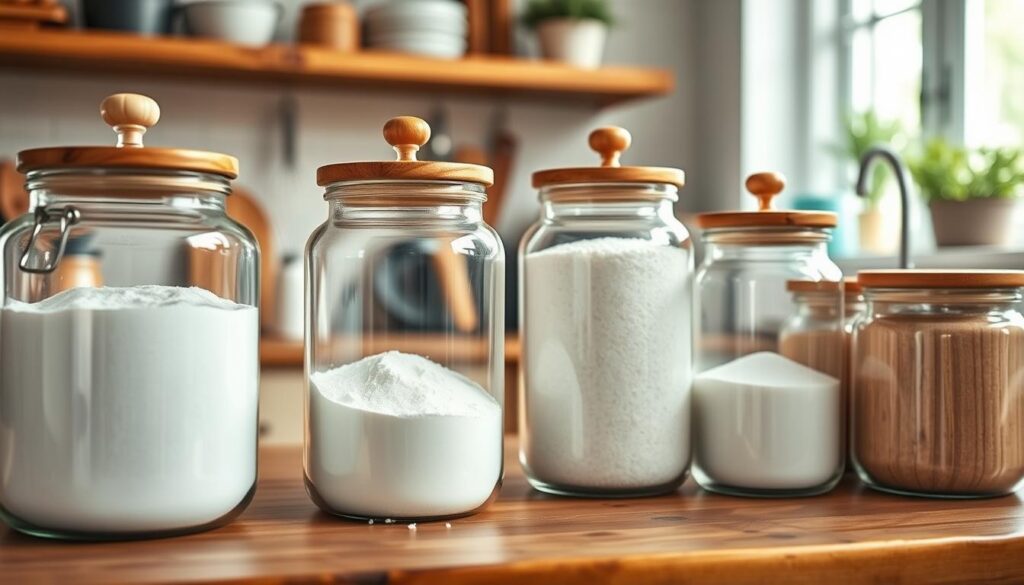
One big advantage: a single jar often matches a standard 5 lb bag. You open a stable jar, scoop, level, and close—no wrestling with collapsing paper bags. This is faster during a busy recipe and cuts waste from repeated transfers.
Cleaner counters and better workflow
Large containers reduce powder drift and crumbs in pantry corners. They also lower pest risk and remove lingering odors that come from half-open packages.
- Keep commonly used items grouped in one visible set to speed prep.
- Reduce refills and torn packaging by storing full bags in one jar.
- Use large jars on a shelf or countertop in your home kitchen as daily tools.
How We Chose These Canister Sets for Baking
We evaluated each option against real kitchen routines to find which containers hold bulk ingredients without fuss. Our goal was practical: match true 5 lb+ capacity to a shelf-friendly footprint so your jars fit standard pantry depths without wasted vertical space.
Sealing and food safety
Airtight performance was tested by repeated lid cycles and simple moisture checks. We looked for lids that close consistently and gaskets that stay snug after months of use.
Material and daily ergonomics
Glass scored high for visibility and odor resistance. Acrylic offers lightweight handling. Ceramic wins on countertop looks, and metal blocks light for sensitive items.
Design, style, and value
We favored wide mouths, stable bases, and easy-open lids so you can scoop and level without dust. Design choices matter: farmhouse labels, clean modern lines, or neutral finishes keep your counter attractive.
- True capacity and shelf fit
- Repeatable airtight seals
- Material tradeoffs and daily use
- Price weighed against durability and usability
Quick Buying Guide for 5lb+ Flour and Sugar Canisters
A good large jar blends reliable sealing with a shape that matches how you scoop and measure. Think about how often you reach for flour or sugar and choose storage that fits that routine.
What “airtight” should mean for kitchen storage
Airtight means a lid that closes with steady resistance and a gasket that sits flush. That combo keeps flour from clumping and sugar from hardening.
Wide-mouth jars vs tall containers
Wide-mouth jars are best when you scoop often—less mess and easy leveling. Tall, slim containers save shelf width but need a narrow scoop or a pour option to avoid frustration.
What to look for in lids, gaskets, and locks
- Lid checklist: gaskets that sit flush, locking mechanisms that feel secure, and parts that come apart for cleaning.
- Store brown sugar or powdered sugar in containers with tighter seals and small humidity control packs.
- Avoid buying a “big” container that loses true capacity to headspace—confirm it holds a full 5 lb bag when marked capacity matters.
Best Overall Large Canister Set for Flour, Sugar, and Coffee
If you want one reliable trio that holds flour, sugar, and coffee, look for balance in seal, access, and footprint. This pick is the all-around solution when you want a coordinated canister set that covers daily staples without overthinking materials.
Who benefits most in a busy home kitchen
You bake often and make coffee every morning. You want fewer open bags and less countertop clutter. This is ideal for a busy household that values quick scoops and tidy surfaces.
What “best overall” prioritizes
- Reliable sealing: lids with snug gaskets to prevent staleness.
- Easy access: wide mouths for scooping flour and measured pours for coffee.
- Smart sizes: tall and wide canisters that match shelf depth without wasting space.
Before buying, check the listed capacity (quarts or liters), mouth width, and whether the set includes truly large canisters that hold full retail bags. Consider how the price buys reduced waste and fresher ingredients over time.
Label each jar and keep them grouped on a single shelf or counter area. That small step keeps your staple storage consistent and speeds up prep on busy days.
Best Glass Canister Set for Clear Pantry Visibility
Clear glass jars let you spot low staples at a glance, saving you from mid-recipe surprises.
Why glass canisters make it easy to spot low staples
With transparent glass, you can monitor flour and sugar levels in seconds. That means you restock before a recipe leaves you short.
This visibility also helps cut waste. You’ll avoid buying duplicates when your pantry is easy to scan.
When a heavier jar is worth it in daily use
A heavier glass jar gives stability while you scoop. If you bake often, the premium weight can feel sturdier and more reliable on the counter.
Look for thicker walls and a smooth rim profile so the jar resists chips and handles everyday knocks without cracking.
- Glass thickness: thicker walls mean less breakage and a longer life.
- Rim shape: rounded rims reduce chipping during scooping and washing.
- Freshness: glass resists odors and stains better than many plastics, keeping your food tasting true.
- Value note: higher price can be worth it if you bake frequently and want long-term durability and visibility.
Best Glass Canisters with Wood Lid for a Warm, Modern Look
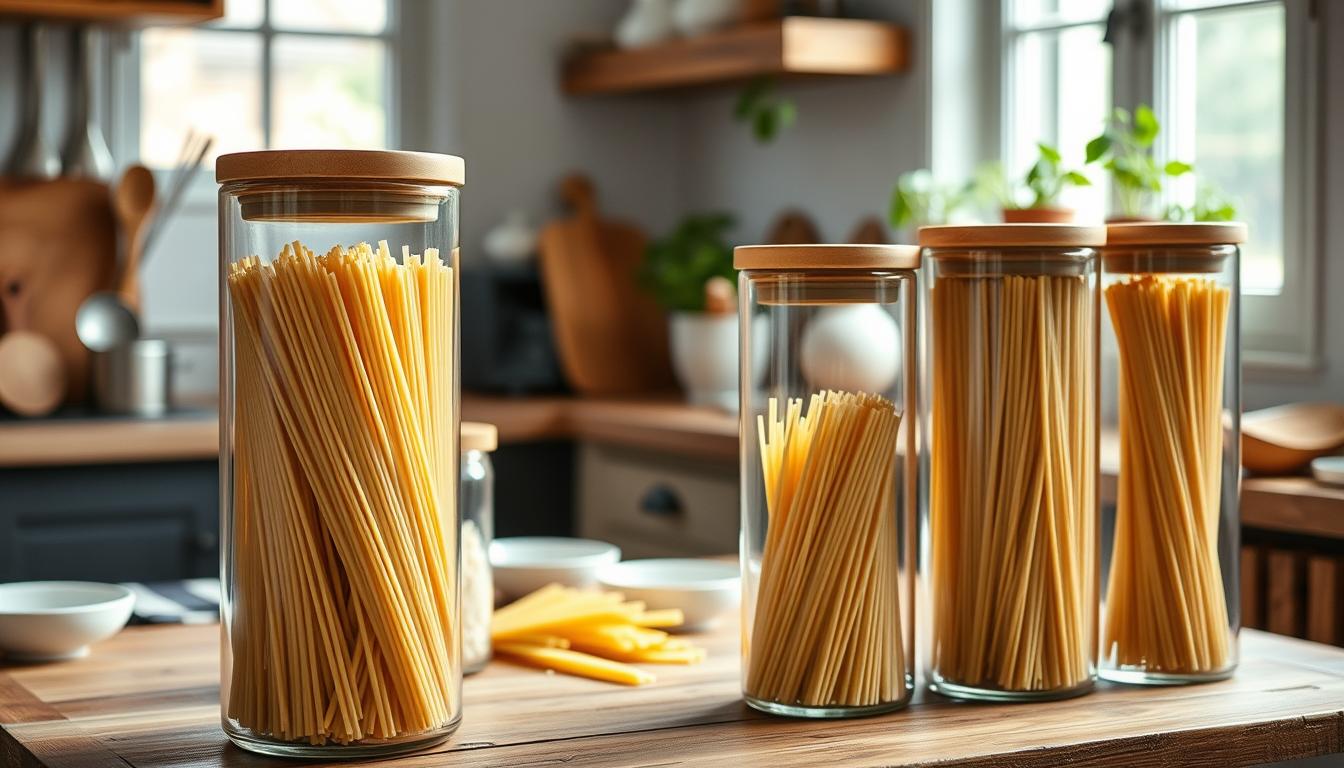
A clear glass jar topped with a warm wood lid brings a calm, modern feel to an active kitchen.
Wood lid pros and cons in humid kitchens
Wood tops add natural warmth and a refined design touch. The look pairs well with open shelves and mixed materials.
In humid spaces, wood can absorb moisture. Choose a lid with a gasket and a snug fit to keep sugar and flour dry.
Best use cases: flour, sugar, cookies, and tea
These jars work well for sugar, loose tea, and room-ready cookies that you grab often. A wide glass mouth makes scooping quick.
Check that the wood lid lifts easily with one hand and that the seal stays tight after repeated use.
- Lid checks: gasket presence, snug fit, and single-hand lift.
- Care: wipe wood, avoid soaking, and dry lids fully after cleaning.
- Daily payoff: clear glass visibility plus an easy-open lid speeds measuring and keeps ingredients fresh.
Best Airtight Acrylic Canister Set for Organized Shelves
Acrylic storage lets you scan shelf levels at a glance and keeps small staples tidy. Three clear, airtight pieces give a uniform look that makes your pantry feel intentional.
Clear, airtight acrylic containers for easy ingredient ID
See-through construction means you know what’s low before you run out. Use these containers to keep herbs, seasonings, yeast, and grains visible and accessible.
How clear construction helps you know when to replace essentials
When levels dip you can restock quickly. A consistent gasket and reliable lid let you open and close the container often without losing freshness.
Great pantry uses: yeast, grains, herbs, and seasonings
These pieces pair well with modular organizers and pop-style lids for one-handed access. Dedicate one canister set to baking add-ins, another to breakfast items, and keep labels facing forward.
- Organized shelves winner: clear ingredient ID and a uniform look.
- Practical storage: ideal for small items that get lost in bags.
- Modular pairing: works with stackable systems and pop lids.
Best Bail-Lid Canisters for Long-Lasting Freshness
A tight metal latch with a soft gasket is a simple way to lock in freshness for pantry staples. A bail-style closure gives steady pressure on the seal so moisture and air stay out. That makes these canisters a go-to when you want reliable shelf life.
Metal bail lid with a flexible plastic gasket seal
The metal hinge and clamp press a flexible plastic gasket each time you close the lid. This repeated compression is why a metal-latch jar keeps ingredients fresher longer than some twist tops. Check that replacement gaskets are available in case of wear.
Ideal items to store: sugar, coffee, and dry goods
These jars work best with sugar, coffee, and other dry items that react to humidity. A clear jar also gives quick visibility so you know when to restock.
- Why people like bail lids: the latch applies uniform pressure for a reliable seal.
- Practical tip: test the hinge alignment and buy gaskets that can be replaced.
- Workflow note: bail lids are a touch slower to open than twist tops but often worth it for sensitive staples.
Best Ceramic Canister Set for Farmhouse Style Kitchens
A: If you want pantry pieces that feel like décor and work like tools, ceramic is a top pick.
Ceramic brings a farmhouse look to your counter while staying practical. It feels substantial, cleans up well, and shields contents from bright light better than clear jars.
What to watch in lids and seals: pick lids with a food-safe gasket or a snug silicone rim so flour and sugar stay dry and odor-free. Wooden tops can be pretty, but a tight inner seal matters most.
- Design that doubles as décor: simple shapes, neutral glazes, and readable labels keep the look farmhouse-friendly and usable.
- Alternate uses: reserve one piece for a cookie stash on the counter so treats stay separate from your pantry staples.
- Tradeoffs: ceramic often carries a higher price and can chip if dropped, so buy it when style and presence matter.
In short, a ceramic canister set is a style-forward choice that still performs as kitchen canisters when you value look and function together.
Best Stainless Steel or Metal Canister Set for a Sleek Countertop
A stainless steel option gives a clean, modern look while shielding sensitive food from light and moisture. You get a streamlined countertop and practical protection for coffee and tea that lose aroma when exposed.
Pick steel when you want a durable surface that hides spills and resists fingerprints. Many finishes wipe clean with a damp cloth, so daily maintenance stays quick.
What to evaluate before you buy
- Lid fit: check the seal and gasket so air and moisture stay out.
- Ease of use: test one-hand opening while you cook to keep workflow smooth.
- Finish choice: brushed, matte, or powder-coated options affect fingerprints and overall design.
Place a matching metal grouping near appliances so your kitchen looks intentional, not cluttered. The light-blocking steel plus a tight seal can extend flavor and aroma retention for coffee and tea.
Best Space-Saving Stackable Containers for a Small Pantry
Small pantries benefit most when vertical space is used with smart, stackable containers. You gain sight lines and reach without losing shelf depth.
Why stackable storage matters: stacking lets you maximize vertical room and keep frequently used items at hand. It reduces clutter and makes weekly restocking faster.
How to sort by categories
Create clear groups: baking-adjacent, snacks, and breakfast. Label each container and keep like items together so you don’t mix flour tools with grab-and-go food.
Stability and grab-and-go tips
- Keep heavier containers low to lower the center of gravity.
- Align stacks by identical footprint and avoid mixing lid types that don’t interlock.
- Store breakfast at eye level, baking supplies together below, and snacks in a separate zone for quick access.
Labeling and visibility: use readable labels and clear fronts so you can identify contents without pulling down multiple pieces. This system cuts spills and makes your kitchen routine smoother.
Best Budget-Friendly Canister Set That Still Looks Great
Smart shopping trims cost while keeping daily use and freshness intact. A budget-friendly buy means you simplify finishes and shapes, not the seal that matters most.
Where to cut price: choose fewer specialty sizes and plain finishes. Pick standard lids and uniform jars to lower cost without losing function.
What not to skimp on: alignment and gasket quality. A poorly fitting lid or weak gasket makes any low-price option fail in real use.
- Compare capacity specs and confirm a jar will hold a full 5 lb bag before you buy.
- Read reviews that mention seal performance and replacement parts availability across brands.
- Value tip: spending a little more can prevent warped lids, cracked jars, or sets that won’t hold large staples.
Style on a budget: use matching labels and a consistent color palette to make affordable pieces look cohesive. Simple choices in material and a reliable lid deliver the best balance of price and long-term storage value.
Where to Shop in the United States for Kitchen Canisters and Sets
Start your hunt at major retailers’ curated kitchen collections to compare many options quickly. These pages group similar items so you can evaluate materials, color choices, and capacity at a glance.
Checking retailer “Kitchen Storage & Canister Sets” collections
Ground your shopping in US reality: visit category or collection pages—like “Kitchen Storage & Canister Sets | Kirkland’s Home”—to scan real-time inventory and current price points.
What to compare on each site
- Sizes and capacities: confirm true volume and mouth diameter so jars fit your shelf and scoop style.
- Dimensions: check height and footprint to avoid clearance problems in your pantry or on your counter.
- Color and finish options: pick a colorway that matches your kitchen and note whether pieces are sold individually or as a set.
- Return and breakage policies: review the site’s damage handling, shipping protections, and how easy returns are for glass or ceramic deliveries.
- Price comparisons: compare similar capacity and material across multiple stores to find the best price and value.
Inventory shifts fast online. Shortlist two to three contenders that match your kitchen storage needs, then double-check price, warranty, and return claims before you complete the purchase. That small extra step protects your purchase and keeps your home pantry efficient.
How to Set Up Your Pantry for Flour, Sugar, and Baking Staples
Set up a dedicated zone so everything you reach for while mixing is within one easy sweep. Group flour and sugar together near your prep area so measuring stays quick. Keep tools, measuring cups, and labels close by to speed every recipe.
Labeling jars and containers for fast measuring
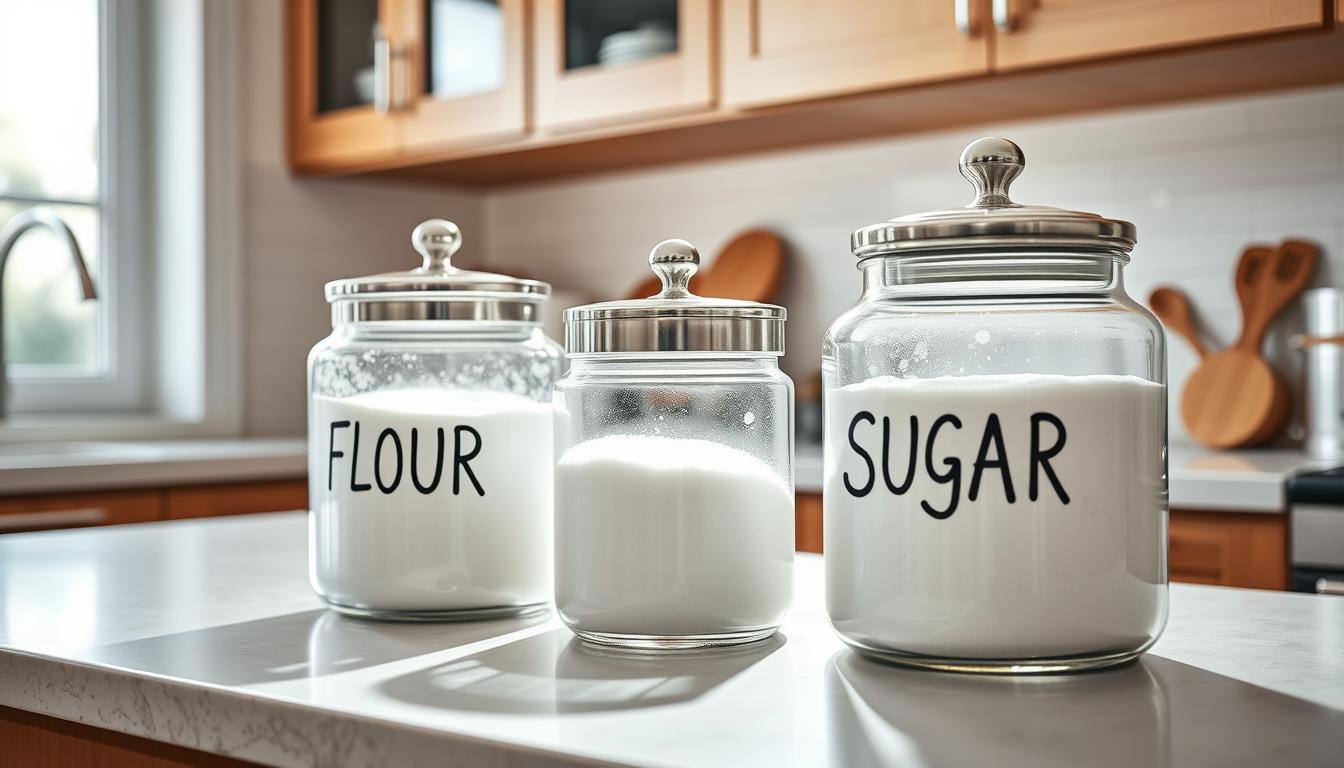
Use large, readable labels on jars and containers. Write the ingredient and the measurement unit so you never mistake powdered sugar for flour.
Tip: Put expiration dates on labels and face them forward for fast checks.
Best shelf placement for heavy flour and sugar canisters
Store heavy flour and sugar on a low or mid shelf to avoid lifting strain. Keep a single full jar on the counter if you use it daily, and the rest on a sturdy lower shelf.
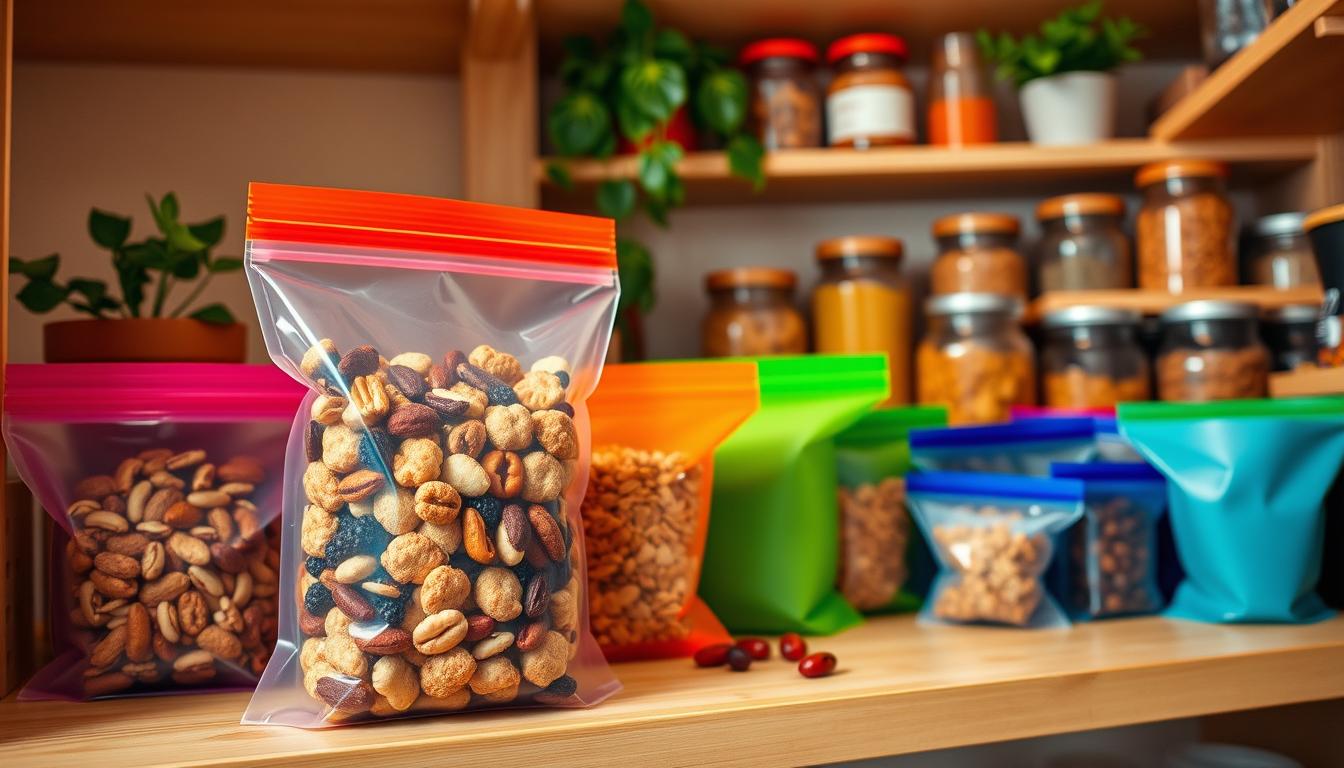
Keeping cookies, fruit snacks, and grab items separate from baking goods
Keep fruit and cookies in a separate snack zone. That reduces traffic in your baking area and keeps crumbs away from your staples.
- Group flour, sugar, and related staples in one zone.
- Label clearly and check seals when you refill.
- Restock rhythm: wipe shelves and inspect storage each refill.
These simple steps cut spills, speed prep, and help your kitchen run cleaner every day.
Care, Cleaning, and Food Safety for Storage Canisters
Proper cleaning and occasional gasket checks keep your pantry fresh and reliable. Treat each piece gently and you’ll avoid haze, scratches, and lingering odors that ruin ingredients.
Cleaning glass, acrylic, ceramic, and steel without scratching
Glass tolerates gentle scrubbing with a soft sponge and mild soap. Rinse well.
Acrylic needs non-abrasive cloths to prevent haze. Avoid scouring pads.
Wipe ceramic with a soft cloth; skip harsh abrasives to protect glossy glazes. Dry lids and rims fully before storing.
When to replace a lid gasket or seal
If a lid stops closing snugly, smells stay behind, or the gasket looks cracked or flattened, replace it. Remove seals when possible to wash them and the groove they sit in.
- Keep grooves clean: brush flour dust from grooves before reseating seals.
- Dry well: fully dry each jar and lid to prevent clumping and off odors in food storage.
- Separate scents: don’t store strong teas or spices in the same container unless deep cleaned between uses.
Conclusion
Start with capacity, then match the lid type to how you work—scooping, pouring, or one‑hand opening.
Pick a true 5 lb+ capacity if you fill from bulk bags. Then choose a sealing style that fits how often you open the jar. Prioritize a dependable seal, scoop‑friendly mouth, and a footprint that fits your kitchen shelf.
Compare price by total value: longevity, available replacement seals, and daily usability matter more than the cheapest sticker. Shortlist by material and lifestyle—glass for visibility, acrylic for neat storage, ceramic for farmhouse counters, and metal for a sleek look.
Watch for familiar brands like Anchor Hocking and lid styles such as pop tops. Keep your cookie stash and snacks separate from staples. Finally, pick one canister set, label it, place it, and maintain the seal so your daily prep stays smooth.