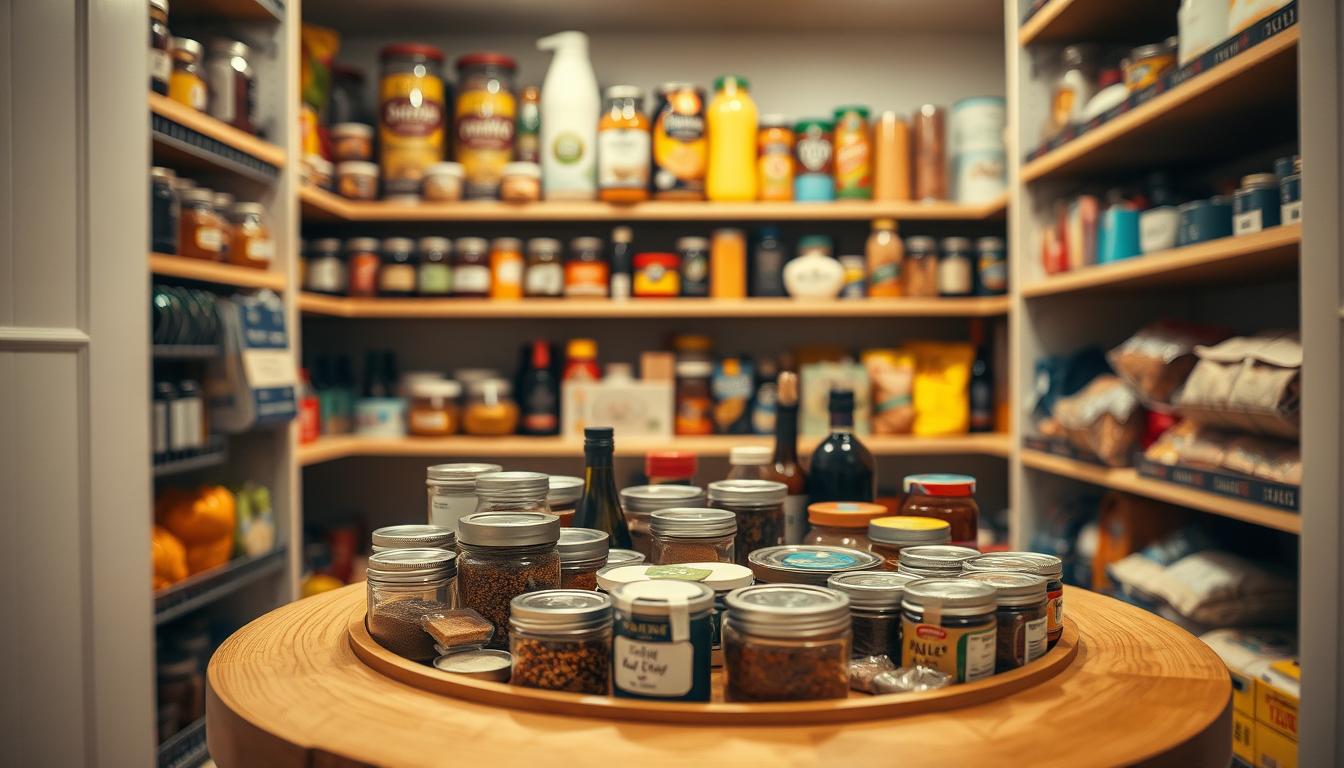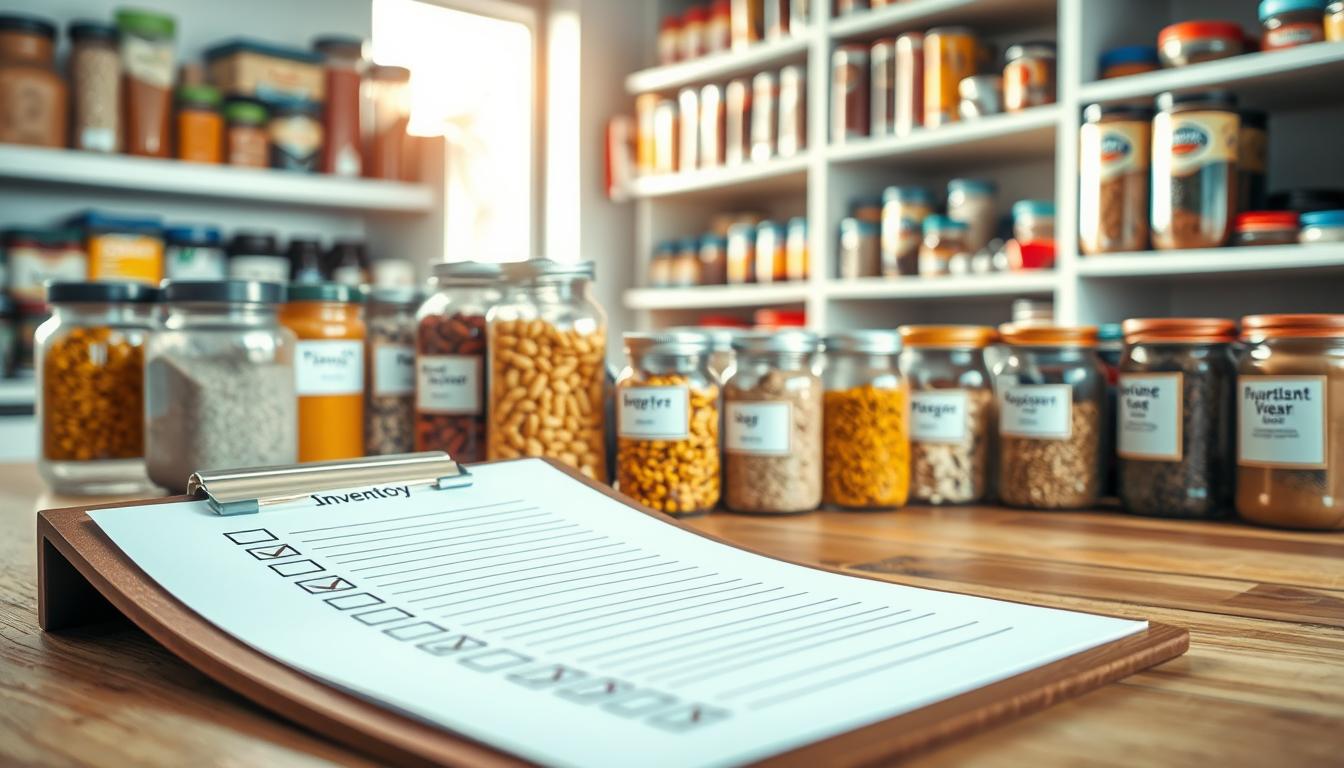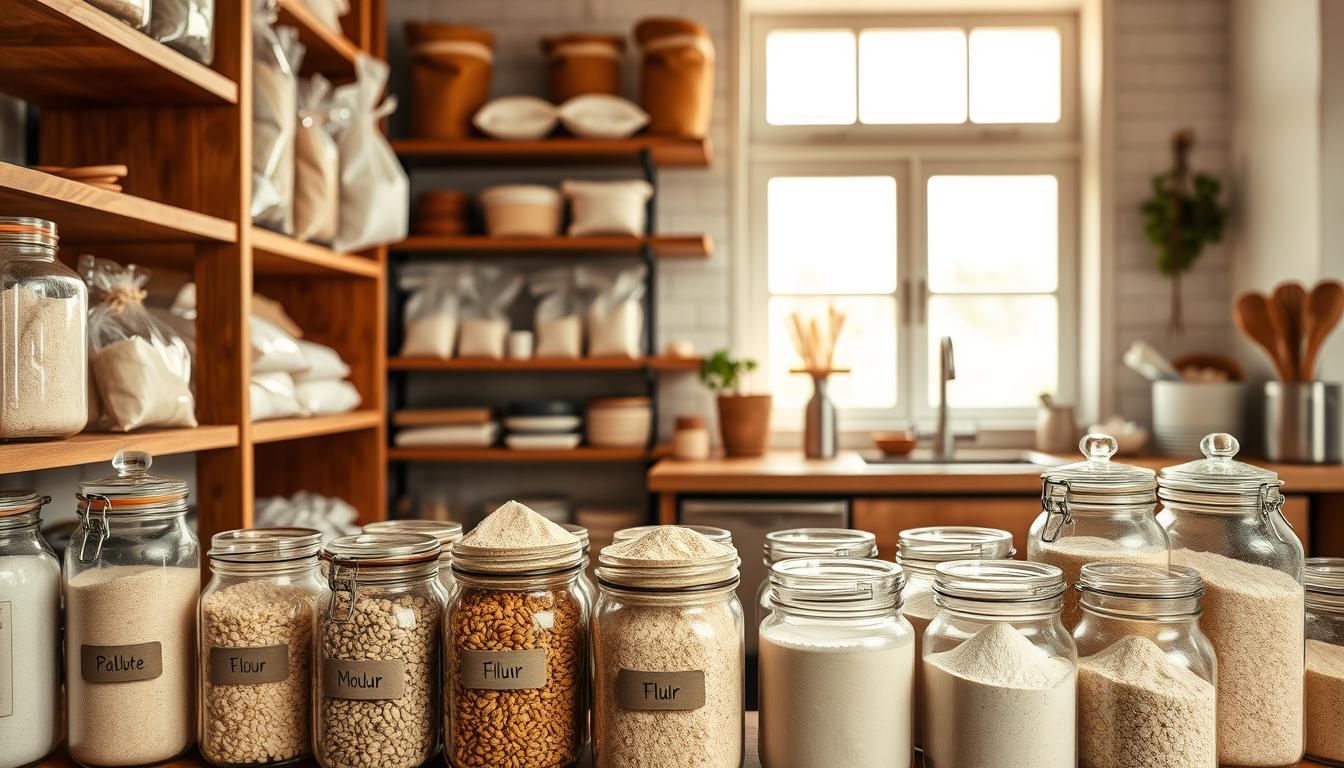

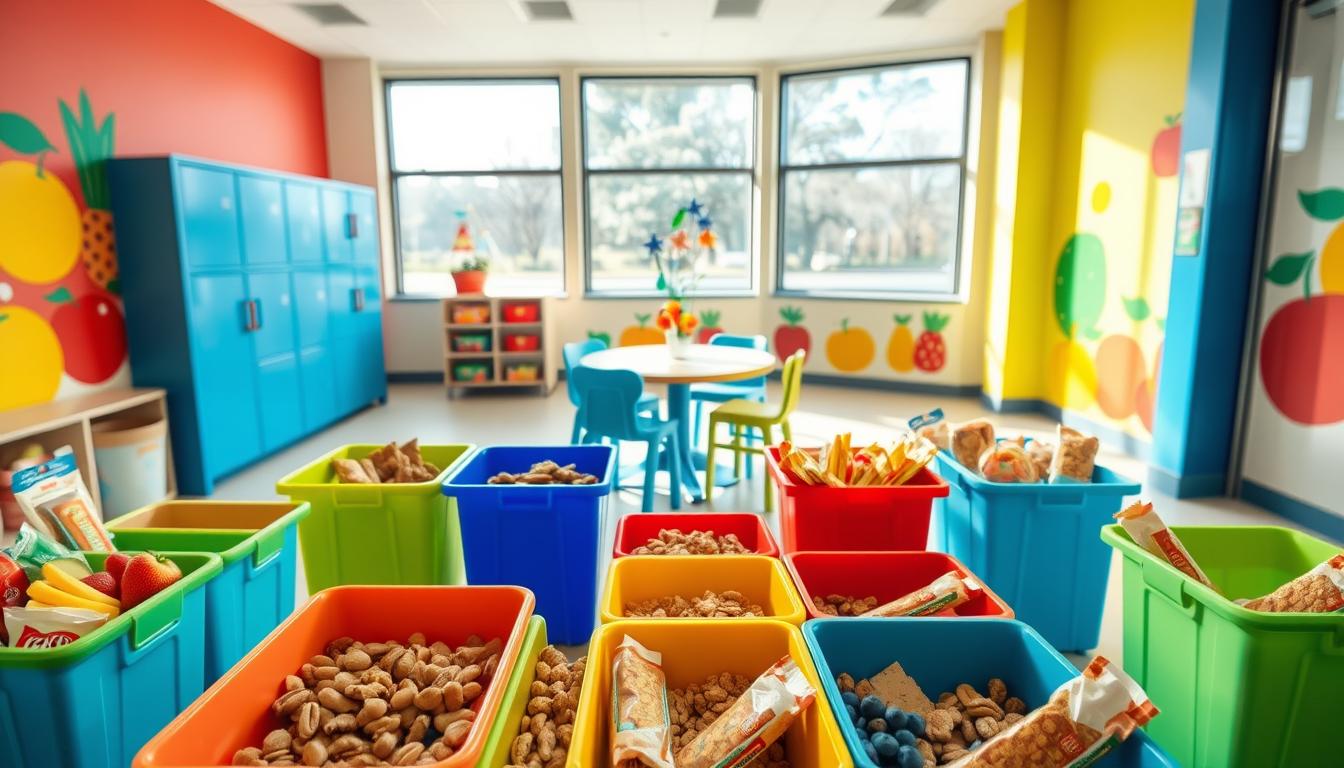
Set up a simple, reachable spot in your kitchen where kids can choose from parent-approved items. This designated snack station helps children practice small food decisions and supports independence while you keep control over what’s available.
When fruits and veggies are visible and easy to grab, kids pick them more often. A clear layout cuts interruptions and reduces rummaging.
Think of a two-part setup: shelf-stable bins for bars and crackers plus a small fridge area for fresh options. Start small — one bin can grow into a practical system over time.
Order matters. One container for bars, one for fruit, one for savory items, and a clear rule for where wrappers go makes cleanup easier and builds good habits.
This guide is educational and practical, not perfection. If you have medical questions about your child’s diet, ask your pediatrician or a qualified provider.
Why a Snack Zone Helps Your Kids Build Independence and Better Snacking Habits
A reachable shelf or drawer gives your child a clear place to find food and practice choosing on their own. That simple access cuts down on constant requests so you get more time for work, cooking, or homework help.
Self-serve systems also support hunger and fullness cues. Teach your child to pause and ask, “Am I hungry or bored?” before they grab food. This small habit builds mindful snacking and better long-term habits.
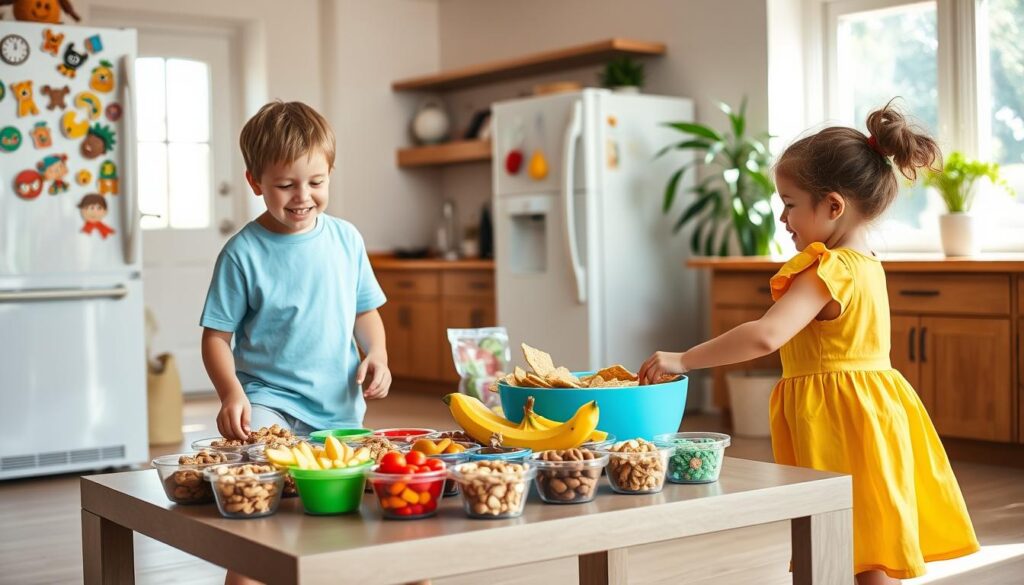
- Offer a “choose-one” rule: limited options, clear boundaries. That reduces power struggles and boosts healthy choices.
- Make healthy options visible and reachable. A clear bin of fruit or pre-cut veggies at eye level often becomes the go-to pick.
- Match foods to activities: lighter items for playtime, protein-forward picks when hunger is real.
When children can open a bin and see applesauce, fruit, or a bar without climbing, you remove friction and unsafe behavior. Letting kids select from organized options builds ownership, self-regulation, and better snacking habits over time.
How to Choose the Right Spot for a Kid-friendly snack zone in Your Kitchen
Place the station where your child can reach it without climbing. Aim for storage under about 36 inches so little hands open drawers and pull bins safely. A reachable spot builds confidence and cuts down on risky behavior.
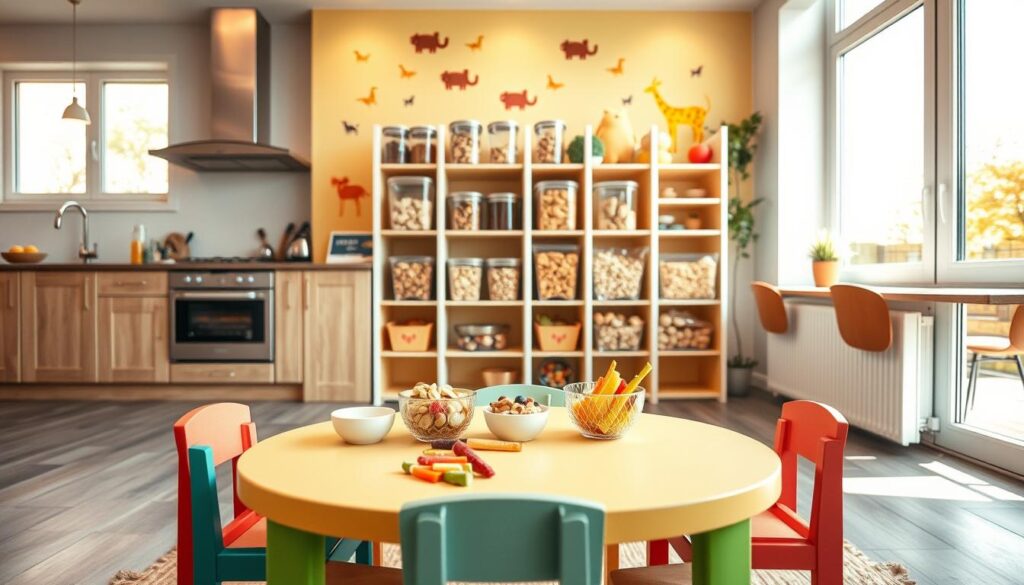
Best location options
Three practical choices work in most kitchens:
- Low pantry shelf at child eye level.
- Bottom cabinet drawer that slides out easily.
- Child-height rolling cart placed away from stove and knives.
Two-zone layout
Split the station into shelf-stable and fridge areas. Left bin = fruit; middle bin = crunchy/savory; right bin = bars. Mirror those categories in a low fridge drawer for yogurt and cheese.
Safety must-haves
Use non-slip liners, lightweight containers, and avoid glass or heavy items overhead. For carts, pick a wide base, keep heavy items low, and anchor any wobbly unit.
Kid success: When the spot fits your child, kids help themselves more and you spend less time cleaning up spills.
What to Stock for Orderly, Nutritious Kids Snacks
A short, repeatable list of go-to foods keeps your child choosing well without decision overload. Start with an “always” shelf: fresh fruit, pre-cut veggies, plain yogurt, and cheese. Add whole-grain crackers, unsweetened applesauce, hard-boiled eggs, and hummus cups for variety.
Build balance: pair protein + fiber + healthy fats so kids feel satisfied longer. Try yogurt with fruit, carrots with hummus, or cheese and whole-grain crackers.
For “sometimes” foods like chocolate or salty bars, store them out of sight on a higher shelf. You’re not banning treats — you’re making them less automatic.
- Label shortcuts: pick items with simple ingredients and keep added sugar under ~25g across the day.
- Sodium note: check packaged snacks and aim near 1,200 mg/day for ages 4–8.
- Mix-and-match ideas: bananas with nut-free granola, yogurt plus fruit, veggies with hummus, or a bar paired with fruit.
Real-life tip: make a toddler-friendly “snack mix” in a cereal container for quick refills. It cuts decision fatigue and keeps the station tidy while supporting good choices and nutrition.
Containers and Tools That Keep Your Snack Station Neat and Kid-Proof
Clear containers and a few simple tools cut spills and make self-serve practical for little hands. Use BPA-free bins that let your kids see options without dumping or opening packages. Visible food reduces mess and speeds choice.
Choose easy-open, uniform containers. Pick OXO POP or Rubbermaid Brilliance for dry goods and iDesign-style bins to group items. Uniform sizes make the station look calmer and help you restock fast.
Portion-friendly picks
Use Bentgo bento boxes for a “one snack” rule. Stasher or Sistema bags work for pre-portioned dry items. Small bins sized for bars and sticks keep those items upright and tidy.
- Picture labels: simple icons (apple, yogurt, crackers) help your child return food to the right spot.
- Cleanup system: a small trash can or return bin makes cleanup routine and reduces daily resetting for you.
- Hydration spot: reserve a shelf for Simple Modern or YETI kids bottles so grabbing water becomes automatic — kids ages 4–8 need about 7 cups (1.7 L) daily.
The goal: the right containers, bags, and portion tools make the easy way the kid-proof way — fewer spills, fewer broken items, and a calmer station you actually keep stocked.
How to Get Your Child Involved so the Snack Station Actually Works
When your child has small, clear jobs, the whole system runs smoother and you spend less time fixing messes. Involvement boosts interest in fruits and veggies and helps your child learn routine and responsibility.
Age-appropriate jobs
Toddlers can wash fruit and place items into containers under supervision.
Preschoolers can portion foods into bags and return items to the right shelf.
Older kids can label, measure ingredients, and restock bins on shopping day.
Simple schedule and mindful check-ins
Set two planned times: mid-morning and mid-afternoon. Keep each about 1.5–2 hours from meals so appetite stays intact.
Teach a quick check: are they hungry, bored, tired, or thirsty? If thirsty, offer water first. Matching choices to needs cuts grazing.
Weekly rhythm and fridge safety
On shopping day, spend ~20 minutes washing, slicing, and portioning so weekday access is fast. This keeps your time low and the station reliable.
Follow USDA rules: refrigerated items should not sit out more than 2 hours (1 hour if it’s over 90°F). Put leftovers back promptly.
Quick takeaway: regular roles, a clear schedule, and simple food-safety rules help kids help you keep the system tidy and useful every day.
Conclusion
A well-organized station turns repeated requests into calm, independent moments for your family.
Build a safe, reachable snack station with a shelf-stable area plus a small fridge zone. Keep containers clear and labeled so children can self-serve without making a mess.
The main family win is fewer interruptions for you and more independence for your kids. Consistent, parent-approved options cut power struggles and speed up daily flow.
Stocking made simple: lead with “always foods” — fruit, veggies, yogurt, cheese — and keep “sometimes” snacks less visible. A quick snack mix or a few repeat ideas makes restock fast.
Today’s next step: pick the location, add two clear bins, stock 3–5 snacks, and teach the one-snack rule plus a tidy-up habit. Consistency beats perfection; the station will get better with time.