
Keep your counter calm and your flavors intact. In a tidy kitchen, matching spice jars reduce visual clutter and make it faster to find what you need. Uniform containers create a consistent set look and help your cooking flow.
Spices lose potency when exposed to air, moisture, and heat. Choosing the right container protects aroma, color, and taste, so you get better results from everyday meals. This guide frames what “best jars for spices” means: freshness protection, clear labeling, and a compact footprint that fits your storage.
We’ll compare common product types — glass, magnetic sets, plastic, and refillable bag options — so you can pick what suits your space and habits. Look for airtight seals, readable labels, uniform sizing, and easy refills. Whether your supplies live in a cabinet, drawer, pantry, or on a rack, these criteria keep your home kitchen organized and practical.
What makes a spice jar “uniform” in a minimalist kitchen
A truly uniform spice system starts with matching size and clear labeling, not just matching looks. Uniform means the same height and diameter, identical lids, and a consistent label layout. That combination keeps your counters and shelves calm.
Protecting flavor is non-negotiable. Use airtight containers to limit air exchange and moisture. Keep lids closed tightly and store away from heat and light.
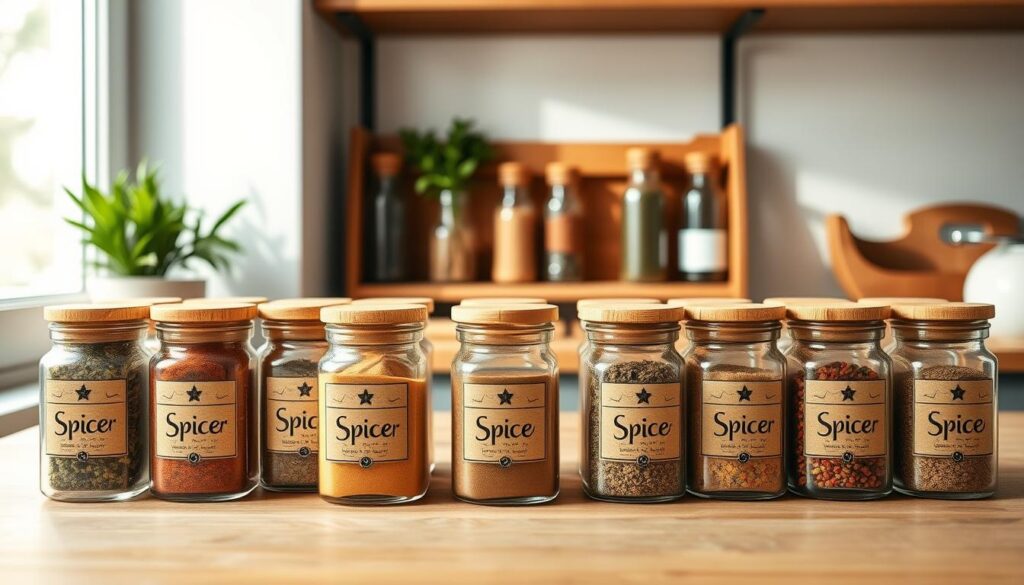
Choose materials that suit your style and needs. Glass resists staining and shows contents. Plastic cuts weight and won’t break. Refillable bags save space when you need compact storage.
- Shelf or pantry: pick stackable shapes so items sit neat on a shelf.
- Cabinet: use consistent height so rows look uniform and are easy to pull forward.
- Spice rack or drawer: favor labeled lids or front-facing labels so you find a jar fast.
Adopt a simple label system: name + fill date. That helps you rotate older stock and avoid waste. The right option depends on where you keep spices and how often you refill them, not only on looks.
Best jars for spices: top uniform jar styles worth buying right now
A consistent container choice speeds up cooking and keeps your shelves calm. Below are three uniform styles that match common kitchen layouts and budgets. Pick the option that fits your daily routine and space.
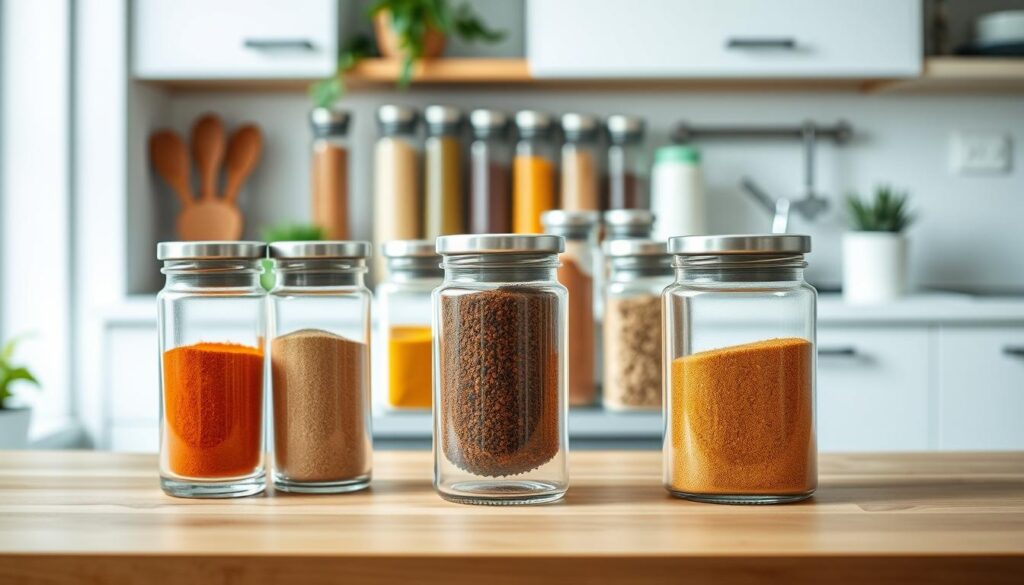
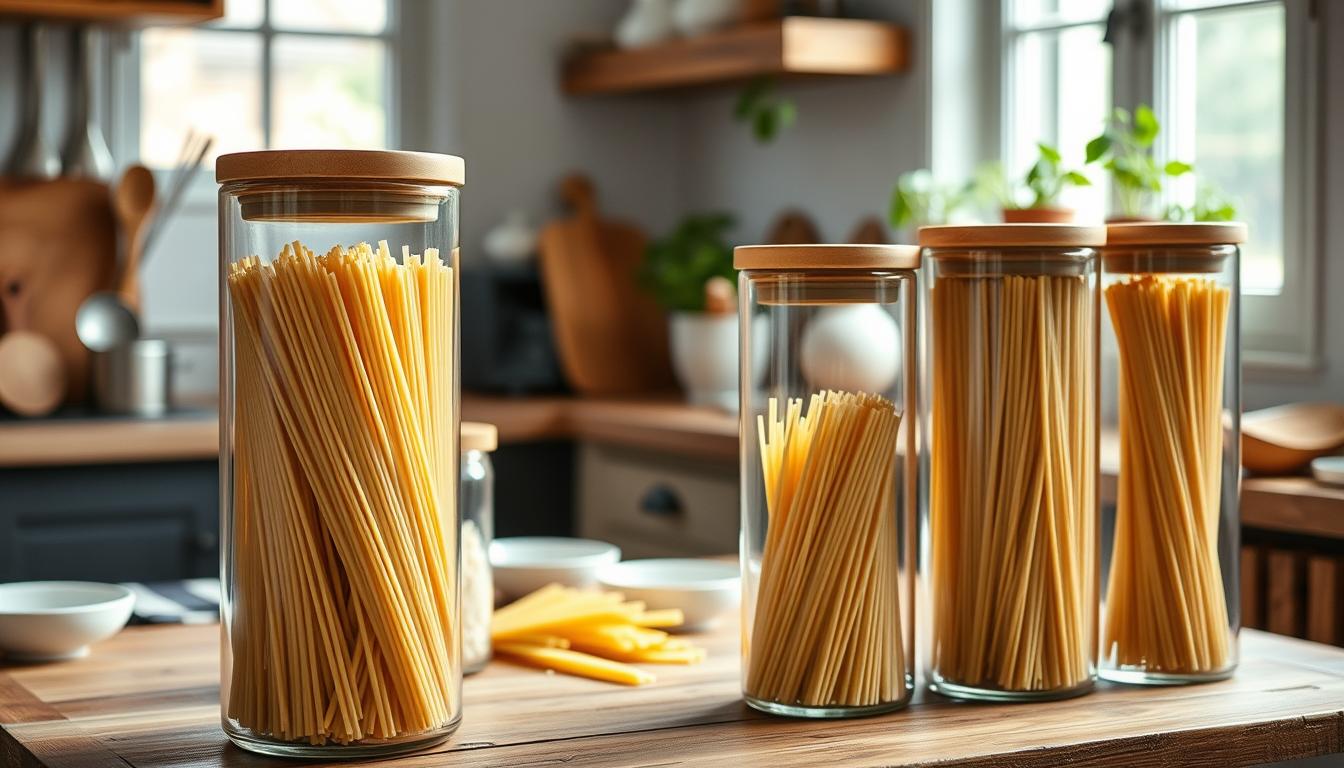
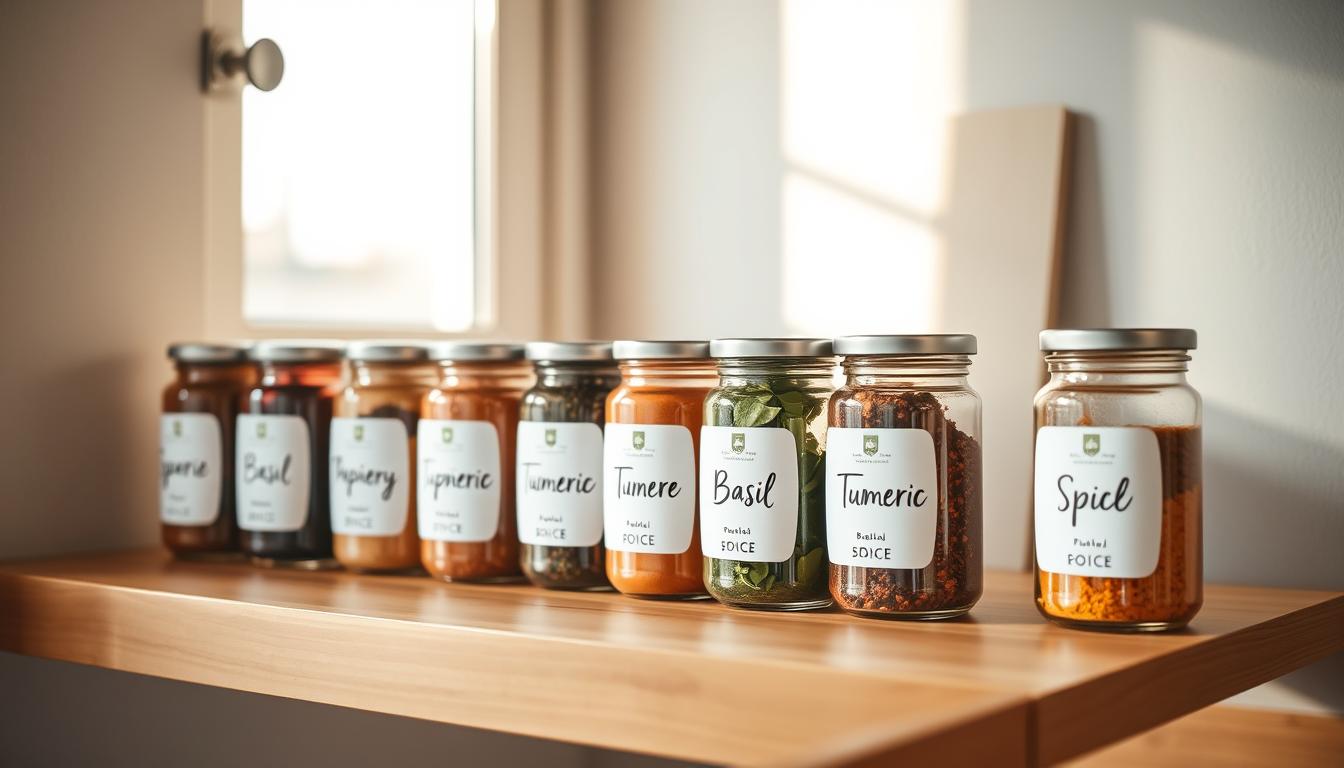
Glass jars with airtight lids
Why choose this set: glass offers clear visibility and a reliable airtight seal to keep flavor longer. Matching height and lids create a neat jar set that looks high-end on a countertop.
Magnetic hexagonal glass jars
These create a compact grid on a metal board or fridge. The hex shape saves space and the labeled lids keep a consistent system across your spice storage.
Plastic containers with tight lids
Plastic is lightweight, durable, and stackable. Choose matching silhouettes and snap lids for a uniform set that works in drawers and busy cabinets.
- Glass: transparency + freshness protection.
- Magnetic hex set: space-saving grid and standard labels.
- Plastic option: stackable, lightweight storage containers.
Glass spice jars with airtight lids for long-lasting flavor
Transparent glass helps you spot the right ingredient fast and keeps refill cycles simple. A clear set looks calm on a shelf and makes measurement during cooking quicker.
Non-reactive material that cleans easily
Glass is non-reactive, so it won’t change the aroma or flavor of your spices. You can wash and sterilize glass jars between refills, which makes reuse safe and sanitary.
How airtight lids protect freshness
An airtight lid limits air and moisture entry. That slows quality loss, prevents clumping, and keeps fragile aromas intact over time.
See contents quickly during cooking
Because the containers are transparent, you can spot the right spice without opening multiple jars. This saves time and reduces spills.
Practical use and cabinet tips
Use one size for everyday items and a larger size for bulk favorites. Keep a small measuring spoon or dedicated spoon nearby to avoid dirty lids.
- Best-fit: decant bulk favorites into matching glass jars.
- Storage tip: place jars in a cool cabinet away from heat and steam.
- Routine: label with fill date to reduce waste and rotate stock.
Magnetic jar sets and labeled lids for a streamlined spice rack
A magnetic wall turns unused vertical space into an instant, tidy spice rack. Mount a metal board or use your fridge door and you create a minimalist grid that keeps seasonings visible and easy to grab.
Uniform hex shapes and consistent labels reduce visual noise. A matching set with clear labels helps you organize kitchen tasks and cuts decision fatigue when you cook.
Gneiss Spice is a good real-world example: magnetic hexagonal glass containers arrive airtight and pre-labeled. You can build-your-own sets with 200+ organic seasonings, and they ship plastic-free with free US shipping over $99.
- Before you buy: check magnet strength, true airtight seals, and label readability from your usual cooking distance.
- Space planning: count how many jars fit on your fridge or board and group by cuisine or frequency of use.
- Maintenance: wipe lids often, keep label style uniform, and refill before containers look half-empty to stay tidy.
Flexible spice storage options that still look neat in a cabinet
When you don’t need a full bottle, flexible bags let you store small batches cleanly and compactly. They work when you have overflow, backup refills, or seasonings you use rarely.
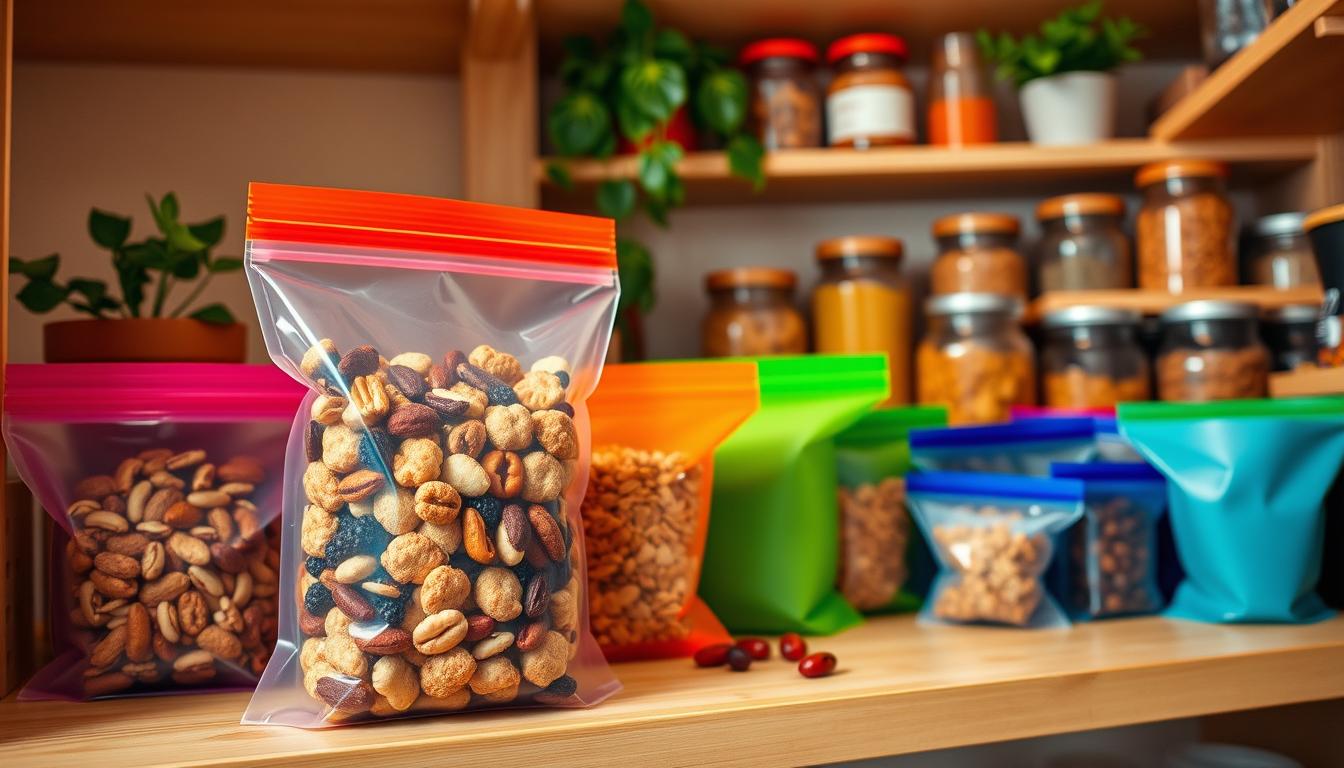
Plastic snack bags with seal for short-term freshness
Plastic snack bags with a zip or heat seal make an easy, compact cupboard solution. A sealed snack bag can be airtight and lock in aroma for weeks if stored correctly.
Use them for small amounts or single-recipe portions. Pick uniform sizes so rows in your cupboard look tidy and are easy to pull out.
Vacuum-sealed bags to extend shelf life in hot or humid kitchens
Vacuum-sealed bags remove oxygen and slow oxidation, which helps preserve delicate flavors in warm or humid environments. The impermeable layer also protects from moisture and light.
They are compact, often reusable, and ideal when you want longer-term flexible spice storage without bulky containers.
Labeling and dating your bags to track expiration
Label every bag with the name and fill date so you can track expiration and avoid mystery packets. This simple step reduces waste and keeps a minimalist cupboard functional.
- Choose one bag size and keep labels facing forward for quick scanning.
- Lay bags flat in a bin to save space and keep the cupboard neat.
- Store bagged spices in a cool, dark spot away from steam and direct heat.
Pantry ingredient bins and bulk jar sourcing for a cohesive refill system
A cohesive refill system turns your pantry into a predictable, easy-to-use storage zone. Use uniform ingredient bins to shield seasonings from humidity and keep every shelf looking intentional.
Using ingredient bins to protect humidity and keep shelves uniform
Place matching bins on a cool pantry shelf to block seasonal moisture. Bins with tight seals help maintain aroma and stop clumping.
Building a simple refill routine
Buy bulk from a trusted supplier and decant into matching containers for daily use. Keep backstock labeled and boxed so the shelf stays neat.
Choosing sizes and consistent lids
Pick sizes based on use: small for occasional seasonings, larger for daily staples. Match lid color and shape so stacked rows look clean.
- Sourcing: wholesale glass jars are available from The Cary Company if you want to standardize at scale.
- Materials: use plastic where weight and stackability matter; choose glass when non-reactive cleaning and display matter.
- Labeling: mark backstock with name + fill date to rotate stock and reduce waste.
Conclusion
Simple routines—same sizes, same labels, same spot—make daily cooking smooth.
Pick the uniform approach that suits your kitchen: glass, magnetic sets, plastic, or flexible bags. Match sizes and commit to one label style so your shelf or cup looks calm and readable.
Protect flavor: use airtight containers, keep lids closed, and store away from heat, moisture, and light. Whole spice whole seeds last longer; grind as needed.
Next steps: choose one jar style, pick a label format, and standardize sizes for the spices you use most. Refill on a schedule and check dates when you restock.
Keep a measuring spoon nearby, avoid shaking spice over steam, and return each jar to the same spot to keep the system working every day.