
You’ll learn how decanting works in real life and which practical decanting food benefits matter most to you. This intro sets the stage for a clear, usable how-to rather than a staged photo shoot.
First, you’ll check your pantry and kitchen routines. Then you’ll decide where moving items into matching containers saves time and where it adds hassle.
The appeal of clear, matched containers is mostly functional: visible labels, airtight seals, and less visual clutter. Expect gains in freshness and space, but also more time after grocery trips and an initial cost for the system.
You will weigh which categories belong in jars or bins and which should stay in original packaging for speed. The core decision you’ll make is practical: ease of daily use versus quick toss-and-go.
Most people find a middle ground works best. Decant some staples into containers and leave the rest in their packaging so your organizing stays realistic and maintainable long term.
What Decanting Means in Your Kitchen and Pantry
Moving pantry staples into uniform jars changes how you reach for ingredients every day. The basic idea is simple: you transfer contents from a bag or box into a clear container so access is faster and spills are fewer.
Quick example: pour flour from a paper bag into a tall jar. You can scoop cleanly, seal the lid, and see the level at a glance.
- Original packaging often tears or slumps and may not reseal well.
- Clear containers stack neatly, seal better, and pour or scoop more predictably.
- What you gain in neatness can cost you brand labels, ingredient lists, and expiry info that lived on the box or bag.
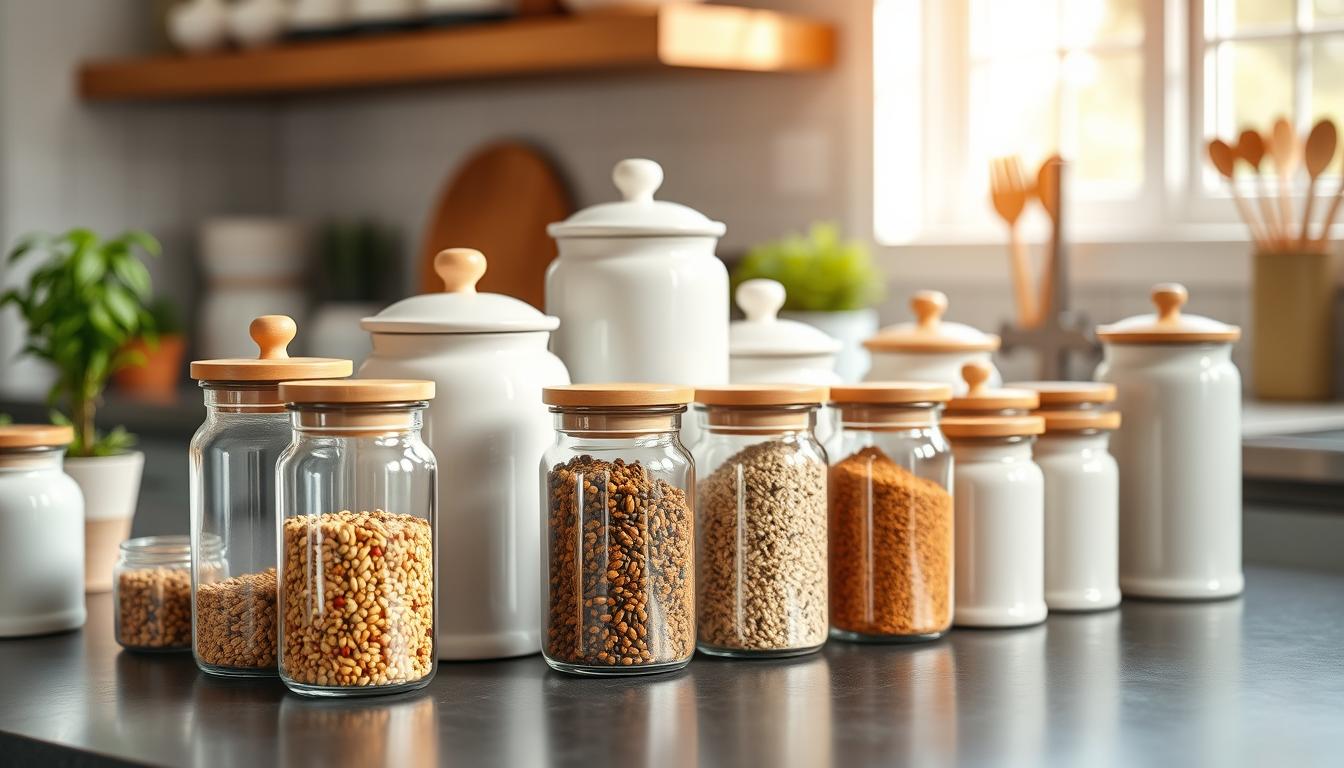
The matching look became popular because a uniform system reduces visual clutter and makes zones—baking, snacks, pasta—easy to scan. But not all clear containers perform the same; lids, seals, and sizes matter for real-world storage and daily use.
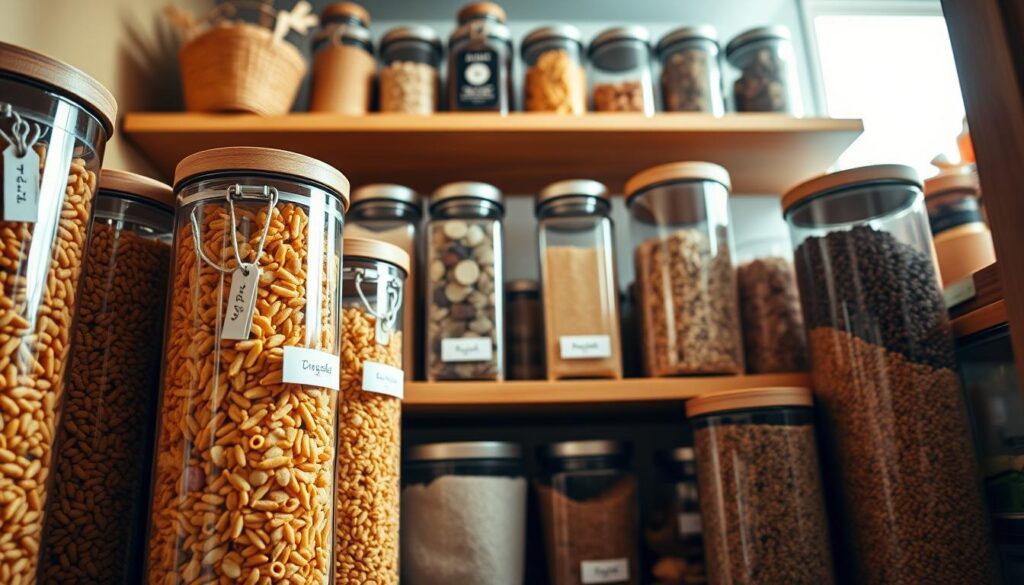
Decanting food benefits for Freshness, Visibility, and Shelf Space
Using airtight jars and clear containers changes how you track supplies and reduces surprise waste. Better seals—like press-button OXO POP lids—help ingredients stay fresher longer compared with folded bags or half-closed boxes.
When you can see the amount left, you shop smarter. Visibility cuts the chance you’ll buy duplicates and lets you notice “nearly empty” items sooner, which lowers overall waste.
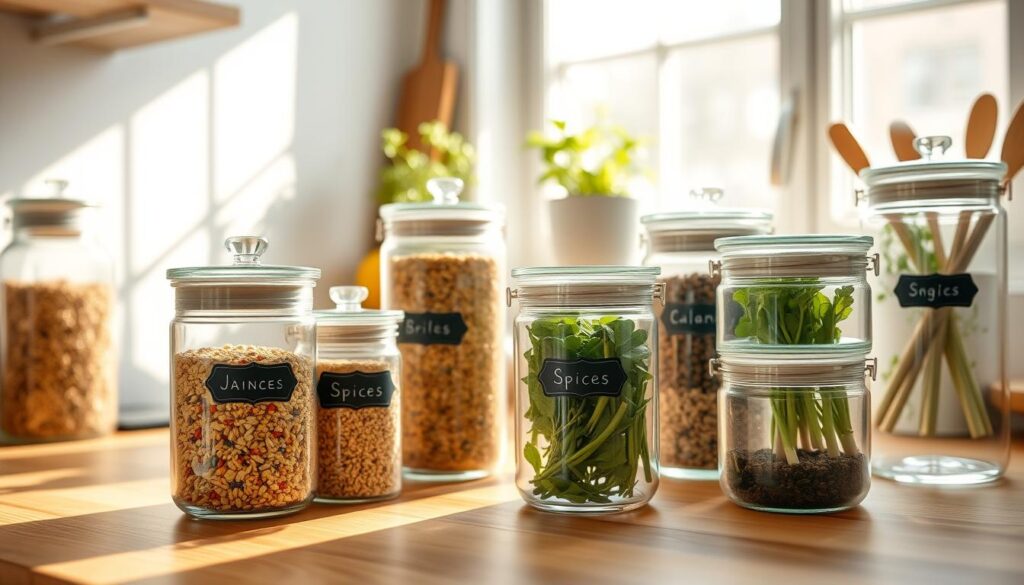
Replacing branded bags and odd boxes with matching jars creates a clean look. A consistent set reads as one organized system that is easier to scan and maintain.
- Seal and shelf life: Airtight containers keep baking staples and snacks from going stale.
- Inventory at a glance: Clear containers show the amount left so you avoid extra trips and wasted items.
- Shelf and space wins: Stackable jars and rectangular containers fit tightly on shelves, reclaiming wasted space.
Choose container shapes that match your shelves and the amounts you buy most often. That simple fit is what makes the gains real and long-lasting.
The Real Cons of Decanting Food You Should Plan For
Before you commit to a full system, weigh the real trade-offs that show up after shopping day. A matching setup can add routine steps that change how your kitchen flows.
Extra time and ongoing work
It takes extra time to open bags, pour into a container, clean spills, and relabel. You repeat that work whenever you restock, so what feels like a one‑time task becomes regular upkeep.
Container costs
Building a matching set is often more expensive than you expect. Premium systems add up fast, so plan for the upfront costs before you buy many items.
Mixing old and new, and lost dates
Topping off a jar can hide older product at the bottom, making rotation harder. If you discard the original box, you may lose printed expiration dates unless you label each container consistently.
Missing instructions and space trade-offs
Recipes, ingredient lists, and allergy notes vanish when packaging is removed. Also, several uniform containers for cereal or snacks can take more shelf depth and hurt small pantry space.
- Quick tip: Aim for a “sweet spot” — decant staples, keep quick-turn items in their bags, and label dates to avoid surprises.
What You Should Decant and What You Should Leave in the Box or Bag
Choose items that stay on the shelf longest—those are the best wins when you switch to uniform storage. Focus on staples that cause spills or need airtight seals, then leave quick-turn things in their original packaging.
Best candidates
Baking staples like flour, sugar, oats, and mixes top the list. In jars, they scoop cleanly and stay fresher with airtight lids.
Pasta and rice
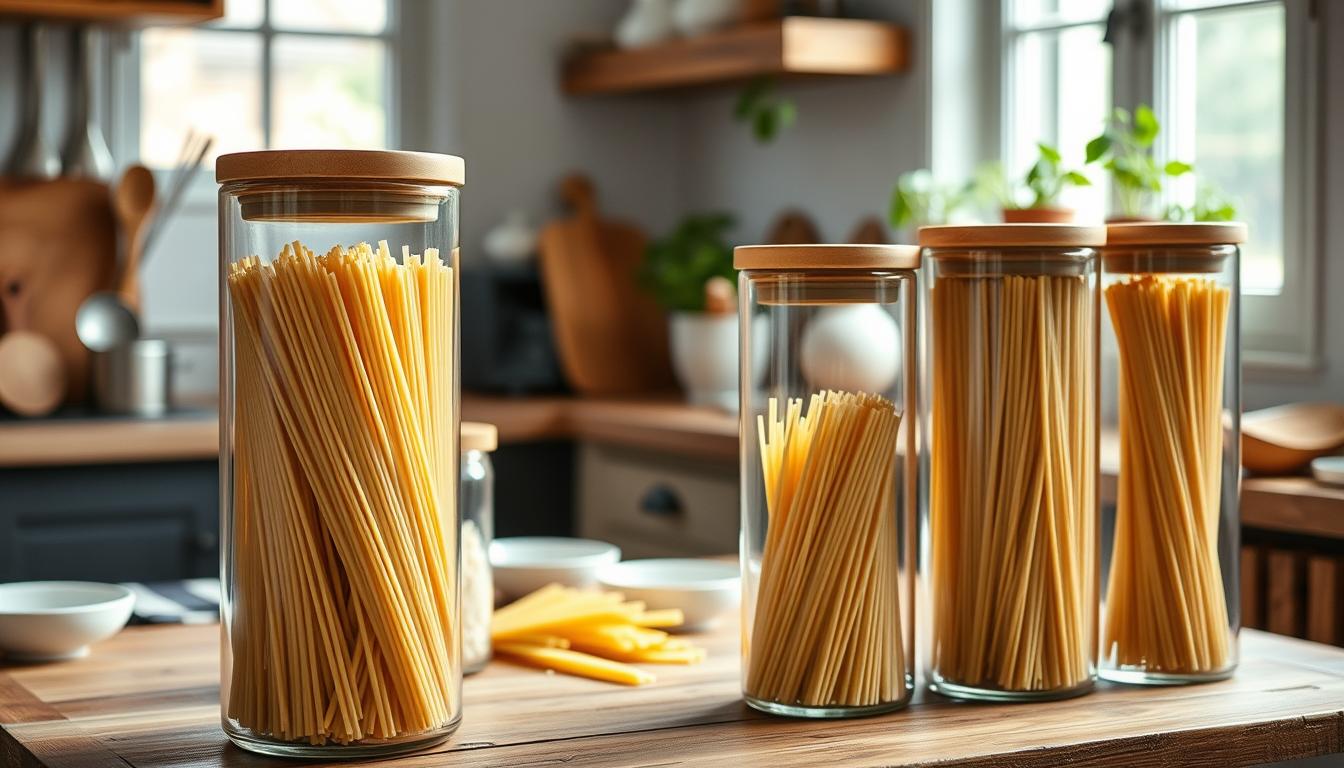
Pasta and rice move easily from a box or bag into tall containers. Long shapes fit neatly, stack better, and reduce spills during pouring.
Spices
Switching to uniform spice jars gives you consistent size and layout. Line them up in a drawer or on a rack so you grab what you need faster while cooking.
Snacks that make sense
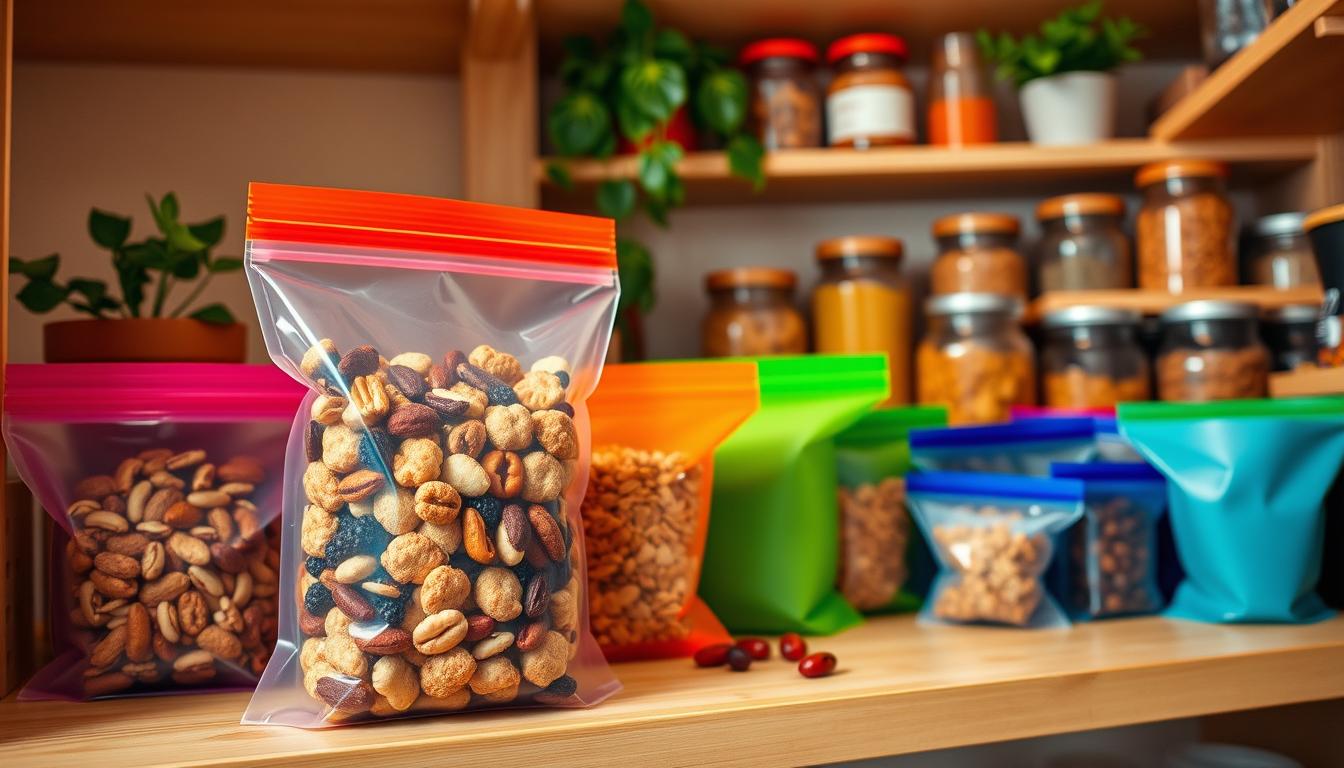
Keep individually wrapped snacks, including granola bars and single-serve packs, in labeled bins. Kids can grab a bar without crushing boxes or rummaging through bags.
- Skip fast-turnover items: cereal and chips refill too often to justify constant pouring.
- Compromise for cereal: remove the inner bag and store it in a bin to save space without full transfer.
- Prioritize based on your household patterns: pick items with low refill frequency and high mess potential.
How to Decant Food into Matching Containers Without Losing Key Info
A short planning step saves hours later—map what you own and the typical package sizes. Start with a list of items you use most, note package amounts (flour often 5 lb, sugar about 4 lb), and measure shelf depth before buying supplies.
Choose supplies that fit your space
Pick clear containers for long‑term staples, jars for pasta and spices, and open bins for individually wrapped snacks. Add scoops and a funnel to reduce spills and speed transfers.
Pick the right container size
Match container size to the typical amount you buy to avoid overflow. If a cereal box is larger than your jar, keep it in its bag or use a backstock plan.
Set up labels and save instructions
Use durable vinyl labels for contents, dates, and special notes like “gluten‑free.” For instructions and expiration dates, attach adhesive business card holders and slip in cutouts from original packaging.
- Rotation tip: mark month/year on the cutout so older product doesn’t get buried at the bottom.
- Keep a labeled backstock bin for overflow and use it first to prevent half‑open packages from cluttering shelves.
- Arrange tall containers in back, short in front, and place labels high for easy reading and a matching look.
Conclusion
A simple test will show if a uniform system really fits your kitchen routine. Strong, weigh the freshness and visibility gains against the extra time and cost you’ll pay to maintain it.
Most people find a selective approach wins: move long‑term staples into jars, keep fast‑turn items in original packs, and keep sensible labels and dates for what you transfer.
Start with one category—baking staples or snack bins—and use a quick pantry scan each week to avoid overbuying. If the system reduces friction, expand it; if it adds stress, keep items as they are.
Takeaway: when decanting supports your routine, it’s a useful organizing tool; when it doesn’t, prioritize function over a matching look and focus on what makes daily life easier.