
You want fresh pantry items and a tidy kitchen. Mold on a natural top is common when airflow is low and humidity lingers. Preventing damp spots keeps food safe and scents neutral.
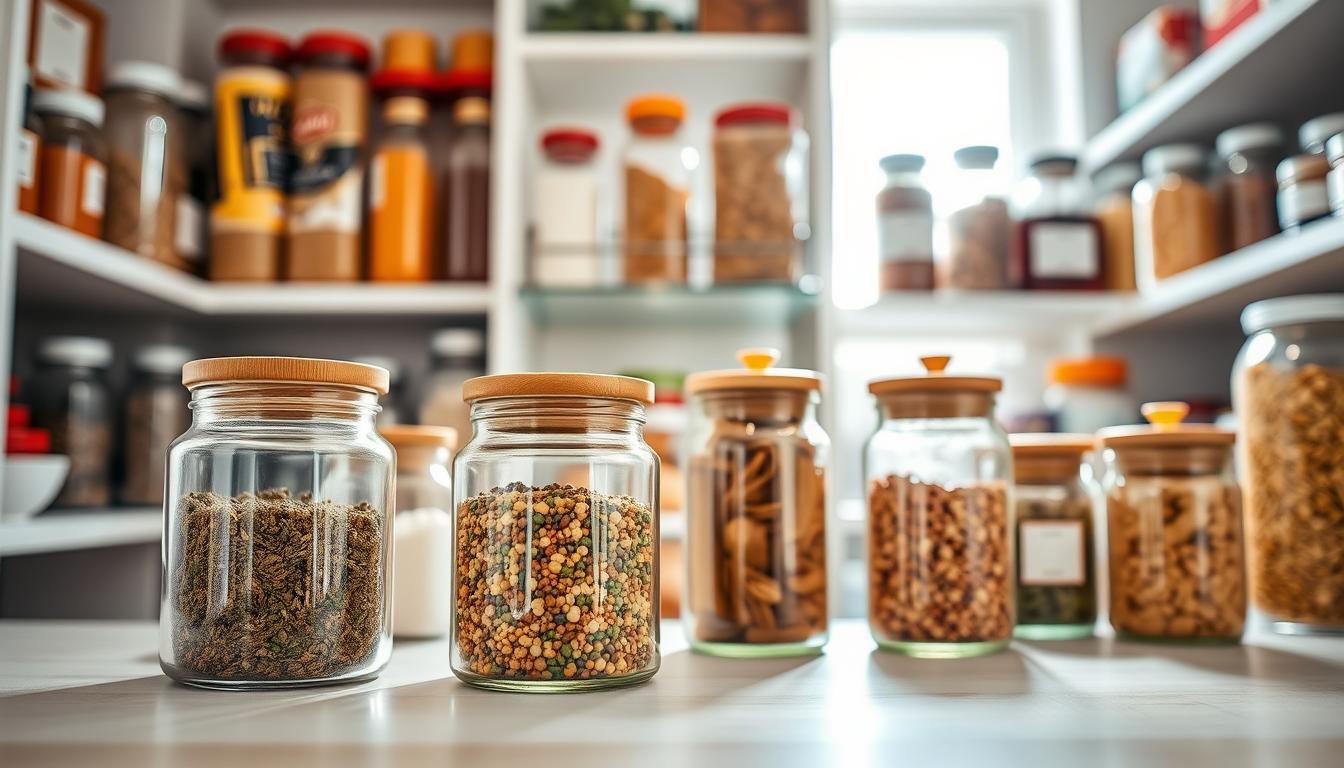
These tips assume you use a six-piece set of lead-free borosilicate storage with an airtight silicone seal. Your clear containers make it easy to check levels, and the wide mouths plus the satisfying “pop” on opening help with scooping and sealing.
Expect different care: the glass can handle tougher cleaning and is dishwasher safe (glass only). The natural top needs gentle handwashing and full drying to avoid swelling, stains, and mold.
Quick habits you’ll use: cool ingredients before sealing, wipe rim threads, and fully dry tops after washing. You’ll also learn which jar sizes fit pasta and how opening frequency affects moisture—practical tips based on real reviews and product details.
Why Bamboo Lids Can Develop Mold in Pantry Storage
When steam, dust, or oils linger at the rim, mold can start before you know it. Small bits of food, warm ingredients, and trapped humidity create an ideal spot for spores to grow. You’ll often see this where a natural top meets a sealed container.
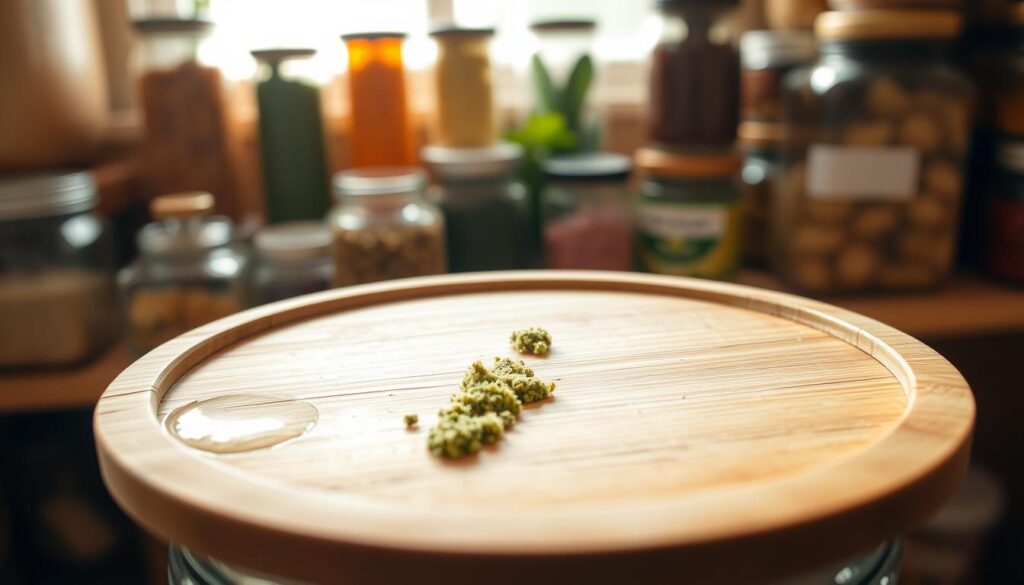
Moisture, food residue, and limited airflow
Sealing slightly warm or damp ingredients causes condensation. The wood-like top absorbs moisture faster than the glass and stays damp longer.
Tiny residues—spice dust, sugar, or tea oils—feed mold under the rim. If containers sit close together, that moisture can’t evaporate quickly.
How an airtight seal can help freshness but still trap humidity
Airtight seals with a BPA-free silicone ring reduce air exchange and keep food fresh. But that same seal will lock in humidity if you close a jar too soon.
- Clean and dry the rim and seal before closing.
- Watch for a musty smell or discoloration under the top—those are early warnings.
- Handle containers away from steam and wet hands to cut moisture transfer.
Pro tip: Even if reviews praise long-lasting freshness, you still need routine care of the natural top and seal to prevent mold and keep your pantry items truly fresh.
What You’re Working With: Materials and Build That Affect Care
Understanding the materials in your storage system makes care simple and effective.
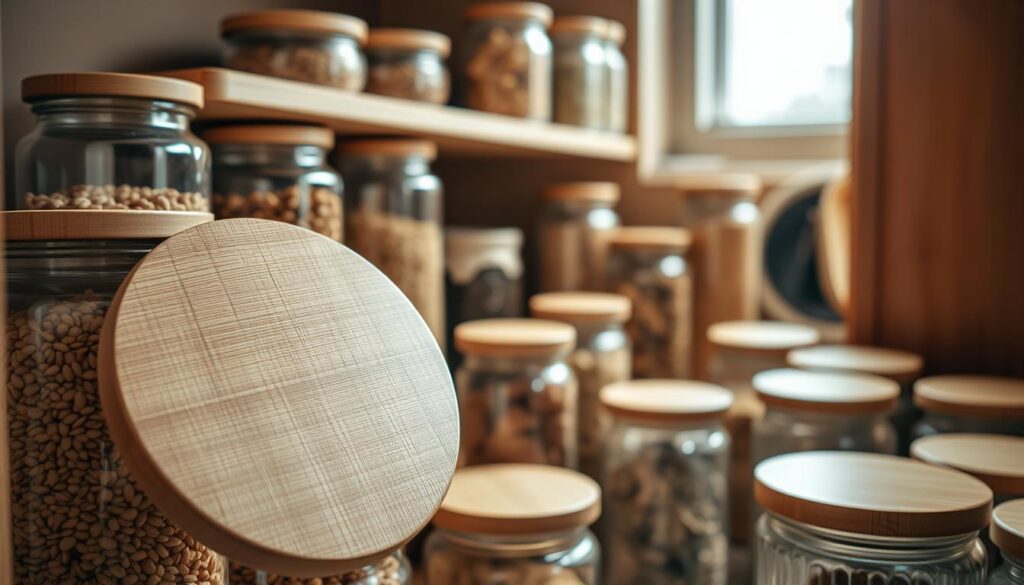
Lead-free borosilicate glass is the backbone of your food storage. It resists stains and scratches, offers excellent optical clarity, and won’t hold odors like many plastics. Because it is lab-grade, the container is reusable and long-lasting for everyday kitchen use.
Why the glass portion needs less fuss
The glass jar is non-porous and easy to dry fully. You can safely wash it in the dishwasher (glass only) and expect smooth edges and surfaces that clean quickly.
Why the natural top needs different care
The natural top looks attractive on pantry shelves but soaks up moisture more readily. That sensitivity makes handwashing and complete air-drying essential to prevent warping or odors.
How the silicone seal helps and what to do about it
The removable BPA-free silicone ring creates the airtight seal that keeps air out and preserves freshness for dry goods.
- Remove the seal to wash hidden contact points where residue and moisture collect.
- Dry the seal completely before reassembling to avoid trapped humidity.
- Focus routine care on the lid and seal—the parts that touch air, humidity, and your hands most.
Quality matters: stain- and scratch-resistant glass and smooth finishes make cleaning easier, but the whole storage system only performs well when you treat the natural top material correctly.
Daily Use Habits That Keep Your Pantry Fresh and Organized
A few simple routines make storage more efficient and reduce spoilage. Follow them and you’ll cut down on stains, smells, and wasted food in your kitchen.
Cool, dry, then close: If ingredients are warm or steamy, wait until they are fully cool and dry before sealing. This prevents condensation and stops moisture from collecting under the natural top.
Use the wide mouth: The 4″ opening makes scooping cleaner. Use a dry measuring cup or scoop that fits the mouth to avoid bumping the rim and transferring oils or crumbs onto the top edge.
- Group containers by category (baking, snacks, grains) and keep daily-use items at eye level.
- Mix heights from the six-piece set to maximize vertical shelf space and leave a small gap to allow airflow around lids.
- Store pasta shapes, rice, flour, sugar, loose-leaf tea, coffee beans, and pet treats in airtight containers for best shelf life.
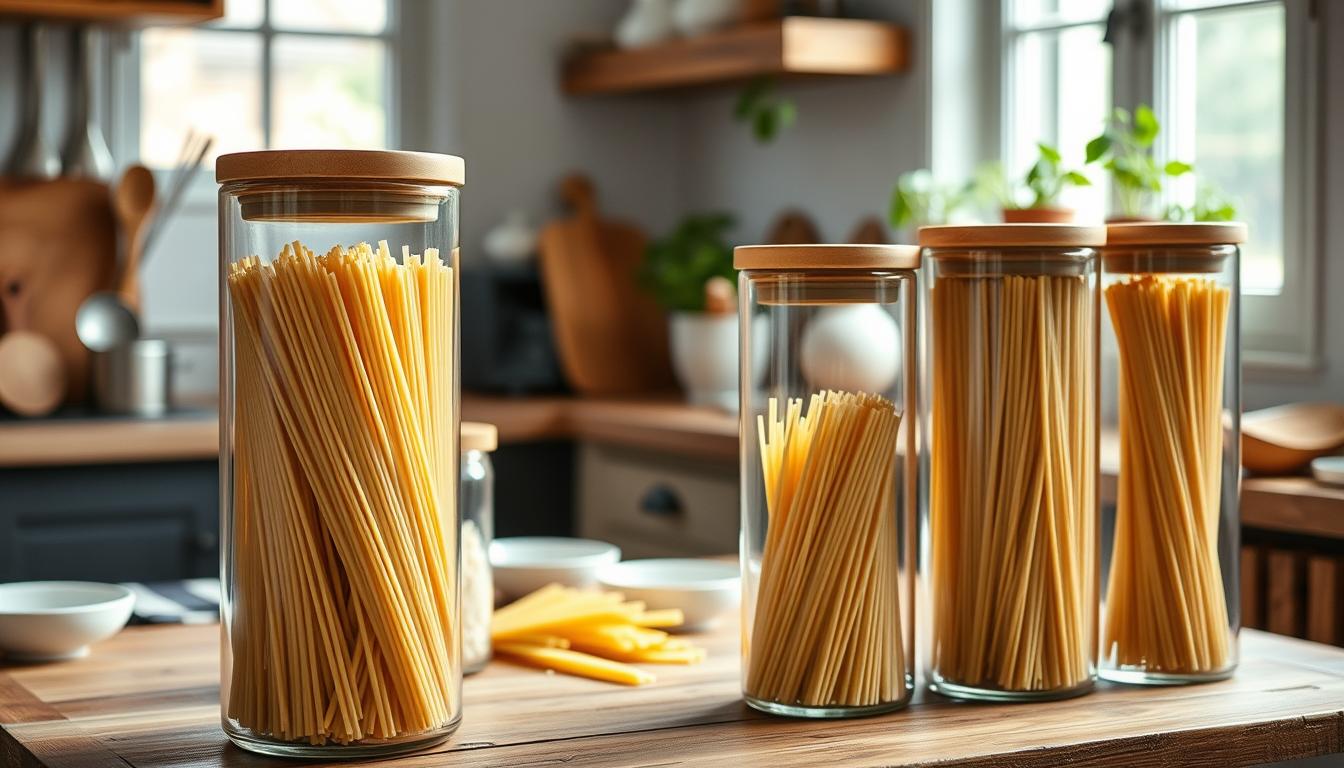
Note from reviews: the tallest jar (about 10″) may not fit long pasta like spaghetti. Use that container for rice or similar grains instead.
Microwave awareness: Never microwave food with the natural top on or place the top near steam. Heat spikes invite moisture and can damage the finish.
Cleaning Bamboo lid glass jars Without Damaging the Lid
Keep your storage system clean to protect food and extend the life of natural tops. Start with a clear rule: the glass parts are tough; the tops need gentle care.
Dishwasher and freezer guidance
The glass jar is dishwasher-safe and can go in the freezer. Use a normal cycle for the containers only.
Do not put the natural top in the dishwasher or freezer. Cold or hot blasts can trap moisture around the seal and damage the finish.
Handwashing to prevent warping
Handwash tops with mild soap and a soft sponge. Rinse quickly and towel-dry right away to limit water absorption.
Avoid soaking, long air-soaks, or stacking wet tops. Those habits invite swelling and mold growth.
Cleaning the silicone seal
- Remove the silicone ring before washing.
- Wash the seal in warm, soapy water and rinse thoroughly.
- Dry the ring completely before reassembling to avoid trapped moisture.
Wash-before-first-use checklist
- Wash each glass container in the dishwasher or by hand and dry.
- Handwash all tops and the silicone seals; dry all pieces fully.
- Wipe the jar rim and underside of the top where residue gathers.
- Keep tops away from the microwave steam path and dishwasher vent while drying.
Deep-Dry and Deodorize: Mold-Prevention Maintenance for Bamboo Lids
Proper drying and airflow are the simple steps that prevent hidden damp spots in storage. Make a short routine part of your kitchen care to keep food fresh and smells neutral in the pantry.
How to fully air-dry tops
Deep-dry routine: After handwashing, stand each lid upright with the underside exposed. Let them air-dry until they feel completely dry before you reinsert the silicone seal.
Towel-drying alone misses moisture in micro-grooves. A short air window stops lingering damp that turns into mold in storage.
Spot early signs and act fast
Watch for a faint musty smell, tiny dark specks under the rim, or a sticky feel near the seal contact area. If you see any, stop using that lid with food.
Clean the silicone ring separately, wipe the top, and allow full drying before returning it to the pantry.
Reduce humidity and boost airflow
Avoid crowding containers; leave small gaps and rotate less-used items. Store the set away from dishwasher or oven steam zones.
- Use a small humidity absorber if your pantry runs damp.
- Don’t reseal jars right after heavy steam or microwave use.
- Clean lids promptly after aromatic ingredients to prevent odor transfer.
Picking the Right Jar Size and Storage Setup to Reduce Spoilage
Choosing the right heights and capacities for your pantry set cuts down waste and keeps foods fresher. Use each piece purposefully so you avoid half-empty containers and repeated transfers that invite moisture near bamboo lids.
Set-of-6 size mapping
Match sizes to tasks:
- 15.5 oz / 3.53″ — ideal for tea, spice packets, or baking powder; high-turnover items that you refresh often.
- 21.5–31.5 oz / 4.54″–6.27″ — use these medium containers for oats, lentils, sugar, and coffee grounds for easy scooping.
- 39.5–54 oz / 7.75″–10″ — reserve the tallest as a large glass storage option for rice, cereal, or pet treats.
Practical tips from reviews
Note: even the 10″ jar may not fit full-length spaghetti. Plan spaghetti storage separately and use the tall glass jar for rice or similar grains instead.
Shelf setup: place taller jars at the back or sides and shorter containers up front. Mix and match heights across shelves to improve airflow and reduce overcrowding. Less headspace and fewer transfers means fewer chances for mold and spoilage in your pantry and kitchen.
Conclusion
Small routines stop mold before it gains a foothold in your kitchen storage.
Preventing mold is mainly about controlling moisture: cool and dry ingredients, wipe rims after use, and never store natural tops damp in a closed pantry.
Follow a simple care split: clean the glass jar thoroughly (dishwasher safe) and always handwash and fully air-dry the natural top before reassembly.
The removable silicone ring creates an airtight seal that preserves freshness, but only when you avoid trapping humidity around the contact points.
Stick to a short maintenance cadence: quick wipe after spills, periodic seal removal and cleaning, and a shelf airflow check so containers don’t sit in stagnant humidity.
Choose the right jar sizes from the six-piece set and keep your system consistent — you’ll cut spoilage, reduce clutter, and keep your kitchen organized.