
You want a tidy, hidden setup that still makes daily feeding quick and painless. Discreet pantry storage means containers and layouts that stay out of sight, reduce clutter, and keep your routine fast.
This buyer’s guide helps you pick systems that match your space, budget, and how much you buy at once. You’ll weigh airtight sealing, capacity, footprint, cleaning effort, and odor control to find the best fit.
Whether you live in a small kitchen, an apartment, or a multi-animal household, the goal is the same: keep food fresh longer, cut down on mess, and stop your pantry from looking like a storage room. Dr. Dawn Filos warns that improper handling can make kibble rancid and drain nutrients, so seals and cool, dry spots matter.
We’ll cover dry kibble, wet and fresh meals, treats, toppers, and supplements. Remember: discreet should not mean inconvenient—your setup must support consistent portions and easy clean-up, even with summer humidity in many U.S. climates.
Why discreet pet food storage matters for freshness, pests, and your home
A discreet system does more than tidy your shelves — it preserves nutrition and blocks unwelcome visitors. After you open a bag, oxygen begins breaking down fats. That rancidity changes smell and taste over time and reduces overall freshness.
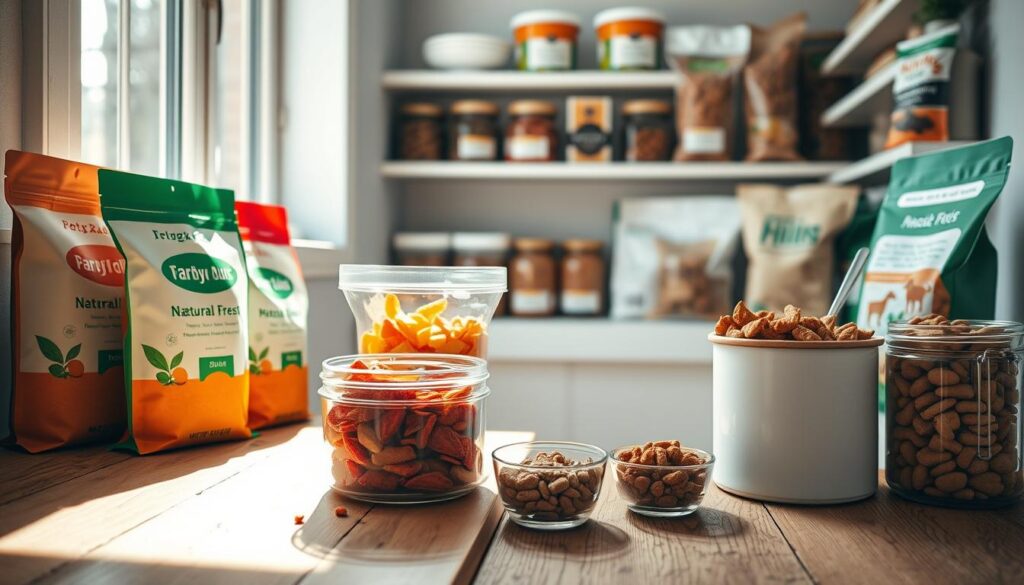
How improper storage can lead to rancid food and depleted nutrients
Dr. Dawn Filos warns that improper handling lets fats oxidize and vitamins degrade. Over time, nutrients can drop and meals lose value. Keeping items sealed helps you keep food fresh and nutritious longer.
Why airtight seals help block odors and stop rodents and ants
Airtight seals lock in smell so your home attracts less attention from pests. Less odor means fewer raids and fewer chances for insects or rodents to find the supply.
How moisture, heat, and air exposure shorten food freshness over time
Moisture breeds mold and clumps. Heat accelerates oil breakdown. Air increases oxidation. In humid summer basements or garages, this all happens faster. Choose a cool, dry place and seals that limit humidity and air intrusion so you keep food fresh longer.
- Oxygen → rancidity and taste loss
- Humidity → mold and clumping
- Heat → faster nutrient decline
Next, use these realities to judge real performance, not just marketing claims, when you shop.
Pet food pantry storage: what to look for before you buy
Start with the seal. Look for silicone gaskets, foam seals, or latch geometry that compresses evenly. Hinges and corner latches are common leak points in lab-style tip and water-resistance checks.
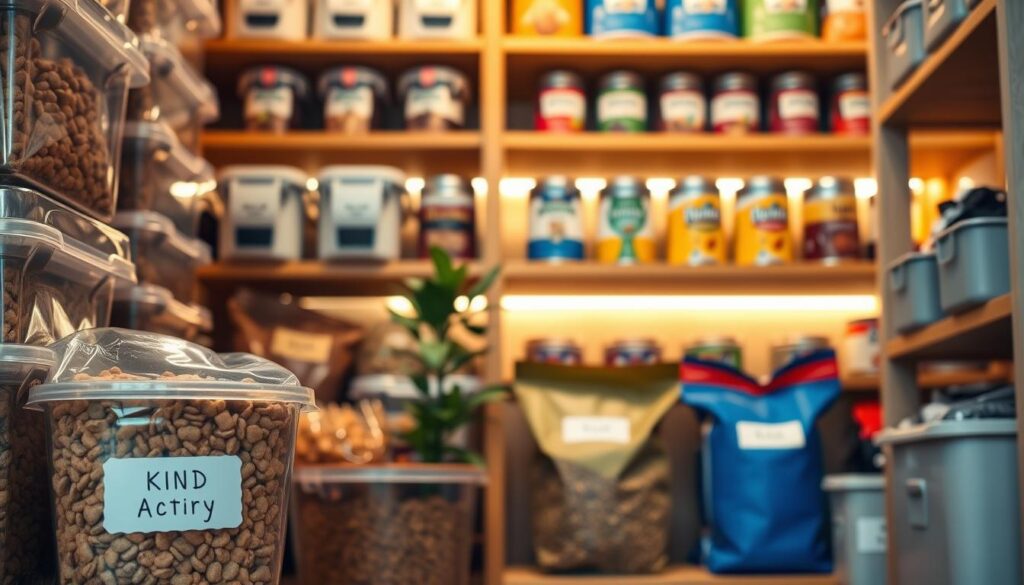
Compare materials next. BPA-free plastic is lightweight and often has a removable inner bucket for cleaning. Stainless steel resists stains and odors, looks cleaner in kitchens, and pairs well with magnetic scoop lids like the Simplehuman model.
Match capacity and sizes to typical bag quantities so you avoid overfilling or stashing overflow elsewhere. Screw-top HDPE jars can be airtight but may fail water-submersion tests. The IRIS combo shows how caster wheels and wide openings help daily use.
- Pantry-friendly footprint: choose narrow, stackable shapes to save shelf space.
- Portability: wheels for heavy loads, sturdy handles, and onboard scoop holders speed feeding.
- Cleaning reality check: wide openings, dishwasher-safe parts, and minimal crumb traps make upkeep realistic.
Bottom line: pick a system that passes simple tests—seal compression, tip checks, and a quick clean—so your chosen container fits your routine, your shelves, and the way you feed every day.
Dry kibble storage systems that stay out of sight (and stay sealed)
Keep kibble out of sight without sacrificing quick daily access by choosing slim, sealed systems that tuck neatly on a shelf or under a counter.
Rolling, stackable container combos for tight spaces
Rolling, stackable containers let you store bulk bags below and a scoop-ready portion above. Caster wheels help you roll the unit out for feeding and roll it back when you’re done.
Look for foam gaskets and wide openings. The IRIS Airtight Combo shows the perks: foam seal, wide mouth, and stackability. Note the catch—stacked pieces may not lock together.
Screw-top options for odor control and fast access
Screw-top containers rely on thread geometry for a consistent seal. That design reduces air exchange and helps contain oils and smells, while still allowing one-handed opening for quick scoops.
Remember: “airtight” is not always waterproof. Avoid damp or outdoor spots if a unit fails a submersion test.
When to keep the original bag inside the bin
Keeping the original bags inside a larger bin preserves lot codes and best-by dates. It also limits oil transfer to the inner walls.
Pour directly into a bin when you want easy scooping. Keep kibble bagged when you rotate brands, manage sensitive diets, or house multiple pets.
- Checklist: seal every time, store away from heat, and clean the scoop after use.
- Don’t mix old and new batches in the same container.
- Control moisture by picking cool, dry locations.
Stainless steel upgrades for kitchens where aesthetics matter
A sleek steel canister can blend with your kitchen while keeping daily feeding simple. Choose metal that reads like a cabinet piece so your setup stays intentional in open living areas.
Fingerprint-resistant exteriors with removable inner buckets
A steel outer shell looks clean and resists smudges. A removable BPA-free inner bucket makes filling and washing easier and helps prevent lingering odors in the main can.
Lock-tight handles and silicone gaskets to keep curious pets out
Models like the Simplehuman Pet Food Can pair a fingerprint-proof finish with an ergonomic handle that compresses a silicone gasket for an airtight seal.
- Magnetic lid with a mounted scoop keeps accessories handy.
- Capacities: medium ~27 lb, large ~32 lb, x-large ~40 lb help you match can to how much you buy.
- Narrow designs fit tight shelves but can tip if bumped—place them against a wall or on a low, flat shelf for stability.
Bottom line: stainless options let aesthetics and performance coexist when you prioritize airtight lids, durable locks, and stable placement for everyday use.
Wet food and fresh food storage that won’t take over your fridge
Wet and freshly prepared meals demand a different routine than dry kibble because higher moisture speeds spoilage and spreads odors. That means you need tight seals, predictable portions, and containers that handle condensation without wasting shelf space.
Stainless steel bowls with silicone lids for prep-ahead feeding
Use lidded stainless steel bowls to portion meals ahead. The Messy Mutts set comes in three sizes—medium 1.5 cups, large 3 cups, and extra-large 6 cups—so you can match servings and cut leftovers.
Why it helps: seal, refrigerate, and serve from the same bowl to avoid transfers. The bowls are dishwasher-safe and resist dents and scratches, which matters in busy households where drops happen.
Stackable refrigerator containers to manage moisture and air
Choose rectangular, stackable containers like the Ollie Puptainer for efficient shelf use. Its bamboo-based resin body and silicone lid stack cleanly and fits multiple packages without wasted gaps.
The small airflow hole helps thaw items with controlled air exchange so condensation is reduced and freshness lasts longer.
- Fridge layout tip: keep pet food together on one shelf or bin to contain odors and protect human items.
- Label portions by date to simplify daily feeding and rotation.
- Clean bowls and containers regularly to prevent residue and odor buildup.
Treats, toppers, and supplements: small-item organization that looks tidy
Small treats, toppers, and supplements often scatter into a mess unless you assign them a clear home. Lots of tiny packages, different feeding needs, and frequent opening make these items the most chaotic part of a shelf.
Clear vs. opaque containers: clear containers let you scan inventory at a glance and spot low supplies quickly. Opaque containers hide visual clutter and give a cleaner look on open shelving.
Choose clear bins for daily-access jars and opaque ones for backup stock. That balance keeps the front row tidy while backups stay uniform behind.
Labeling to prevent mix-ups
Use simple labels: pet name, item type, serving size, and tags like “AM/PM” or “training only.”
- Label format example: Max – Treats – 1 pc
- Include supplement dosage and timing on each label.
- Color-code by pet to prevent allergy or weight-management errors.
Portion-ready and moisture control
Pre-portion treats into small jars or resealable pouches so you open the main container less often. This reduces exposure to air and humidity and keeps crunchy items crisp longer.
Keep seals tight and store daily-use containers at the front. Align containers by height and place backups behind to maintain a neat, intentional look.
Discreet pantry layout ideas that keep pet food accessible but hidden
Design a hidden feeding area that fits your shelves and makes daily prep one-motion simple.
Dedicated zone on a single shelf
Assign one low shelf as your pet zone so human groceries never get crowded. Use uniform containers and side labels for a tidy look.
Pull-out drawers and bins
Install shallow pull-out drawers so you scoop at waist height and slide everything back in. This reduces spills and keeps bulky containers hidden.
Door-mounted organizers and stacking
Use door pockets for scoops, spare lids, and measuring tools. Stack heavier containers low, daily-use mid-level, and light treats up high to prevent tipping.
- Keep bowls and water gear together: store them near the zone to avoid dripping through the shelf.
- Pet-proof placement: lock or raise treats if curious pets can reach shelves.
- One-trip workflow: arrange so you grab bowl + scoop + container without moving stacks.
Keeping food fresh longer with smart rotation and storage habits
Small routines beat perfect gear. Set a rotation mindset so the oldest packages move forward and nothing sits past its prime.
Why you shouldn’t mix old and new in the same container
Mixing old and new lets stale oils affect the whole bin and hides which batch is oldest. That speeds loss of freshness and makes it hard to track dates.
How long opened dry food stays fresh
Properly sealed dry food is typically fresh for about 4–6 weeks after opening. Use that window when you decide how large a bag to buy.
Date tracking, exposure, and replenishment trips
Write the open date and estimated finish date on each package. Keep the original bag or label for lot info.
Reduce exposure by using smaller daily containers and keeping backups sealed. Every open/close cycle shortens shelf time.
- Set a reorder threshold: plan trips before you hit the bottom to avoid sudden brand swaps.
- Clean monthly: wash and dry containers before refilling or when switching packages.
- Monthly freshness audit: check seals, dates, and handfuls for off smells or clumps.
Moisture, humidity, and temperature: preventing spoilage in U.S. homes
Controlling moisture and temperature in your home cuts spoilage and keeps ingredients safer longer. Store items below 80°F (27°C) when possible. Heat speeds oil breakdown and accelerates staleness.
Choosing cooler, shaded locations
Avoid direct sun and places near ovens, dishwashers, water heaters, or hot garages in summer. Those spots raise temperature and invite moisture problems.
How airtight containers help
A tight seal reduces air exchange and limits moisture entry. That slows spoilage and keeps pests at bay.
- If your kitchen runs warm: use an interior closet shelf, a cool mudroom bin, or a deep cabinet away from heat.
- Do not store: under-sink cabinets, damp basements, or areas with frequent steam.
- If you live in humid climates: prioritize gasket quality and seal discipline over extra features.
Seasonal checklist: summer—move containers away from windows and keep lids tight; winter—watch for condensation near exterior walls and dry containers before refilling.
Pest-proofing your pantry without making it look like a storage closet
Pest-proofing can be simple if you make a few small habits non-negotiable. The best container fails if you leave it unsealed after scooping. Make resealing part of the routine so seals do the real work.
Seal discipline: the habit that matters more than the container brand
Seal every lid and check the gasket before you slide a bin back. A quick press or click after each use prevents air and scent from escaping.
Write the open date on the original bag and close both bag and container. That habit helps you track freshness and cut down on stray crumbs.
Design details that deter ants, bugs, and rodents
Choose containers with gasketed lids, tight latches, and minimal hinge gaps. Thick walls resist chewing and cracking if mice explore a shelf.
Realistically, you’re preventing ants, pantry beetles, and rodents that find aromatic food attractive. Less smell means fewer visits.
Odor containment to reduce pet attention and pantry raids
Contain odors by using airtight containers and wiping rims after scooping. Crumbs and oily residue attract pests faster than you think.
Keep uniform containers on open shelves to stay subtle. Use liners or wipeable shelf mats so crumbs are easy to clear.
- Quick routine: scoop over a tray, wipe the rim, reseal, then vacuum stray bits.
- Moisture tip: dry bowls and lids before refilling to avoid sticky residue that draws pests.
- Weekly checklist: check seals, clear crumbs, rotate stock, and inspect for chew marks or small holes.
Travel and on-the-go options for weekend trips and longer stays
Travel setups should keep portions predictable, prevent spills, and make feeding on the road one-motion simple.
Collapsible bags with waterproof linings
Collapsible bags are lightweight and pack flat, making them ideal when you want to travel light. The PetAmi Travel Dog Food Bag is roomy, has a wide opening, and a waterproof lining that keeps crumbs contained.
Expect creases where crumbs can hide and no rigid base to hold shape. Bring a small brush for quick wipe-downs.
Roll-top, water-resistant packs for hikes and camping
Roll-top bags like the Wilderdog model use water-resistant fabric and a durable build. They include a scoop but require several tight rolls to feel secure.
Cleaning caveats and packing checklist
Soft seams and non-rigid bottoms are harder to clean on the road. Plan for that by packing a wipe-down kit and a tiny brush.
- Packing checklist: scoop, collapsible bowl, backup supplements, small trash bag.
- Use two containers for longer trips: bulk in a travel bag, daily portions in a smaller container.
- Match travel choices to your home system so routines stay consistent.
Conclusion
End with a practical checklist to keep routines simple and results consistent, so your supplies stay fresh and neat.
Choose an airtight seal you will actually use, match capacity to how much you buy, and pick a footprint that fits your shelves. These three moves guide the buying decision quickly.
Remember that discreet organization is performance-driven: it helps with odor control, pest resistance, and lasting freshness. Keep one main airtight container for kibble, one smaller daily container, and a labeled treat or supplement bin for easy access.
Don’t mix old and new, write open dates, and reseal fully every time you scoop. If you want style, upgrade to a stainless steel model with a gasket. Measure your space before buying, and prioritize cleaning and a cool, dry location so your system works month after month.