
You can keep a small, revolving stock of staples and avoid waste with just 15 minutes. This quick clean-out is a simple, realistic way to move older items forward so they get used first.
Expect targeted work, not shelf-by-shelf purges. You’ll do a short inventory, set easy zones, and label boldly so decisions at dinner are faster.
The goal is practical: fewer expired cans, fewer duplicate buys, and clearer choices on weeknights. Use a “use-this-first” basket, a Sharpie for bold date labels, and a basic FIFO flow on each shelf.
This plan works whether you keep a one-month buffer or a few months of supplies. It fits small closets, cabinet setups, and common US staples like pasta, rice, beans, and canned tomatoes.
Read on for the system: quick inventory → zones → storage basics → FIFO → bold labels → 15-minute routine → seasonal stocking → freezer methods. You’ll leave with a repeatable, low-stress approach you can use all year.
Why pantry rotation matters for your home right now
A quick pass through your food storage can cut waste, lower stress, and stretch your grocery dollars. Small habits change what you buy and how often you run to the store.
Save money and avoid duplicates. When you “shop your shelves” first, you stop buying items you already have. That keeps more money in your family budget each month.
Prevent waste and lost items. Forgotten bags and old cans hide at the back of shelves and quietly cost you cash. Finding a can years past its date is a common, expensive surprise.
Reduce weeknight stress. If you can scan shelves in seconds, you see what meals are possible without an extra errand. That clarity makes dinner easier on busy nights.
- Keep new items behind older ones to make eating down stock automatic.
- Group bags and boxes so nothing slips to the back unseen.
- Date items when you put them away so you and your family know what to use first.
- Use a simple weekly check to catch near-date cans and plan quick meals.
- Think resilience: a well-checked shelf helps during storms or a packed week, not panic buying.
Next, you’ll run a short inventory to see what you actually use as a family and set up a system that takes minutes, not hours.
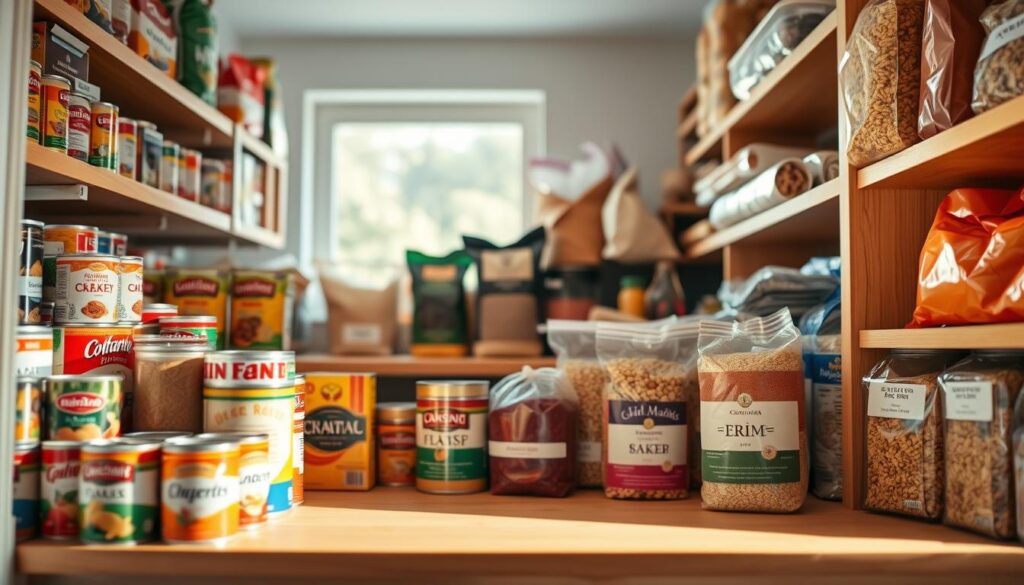
Set yourself up for success with a quick pantry inventory
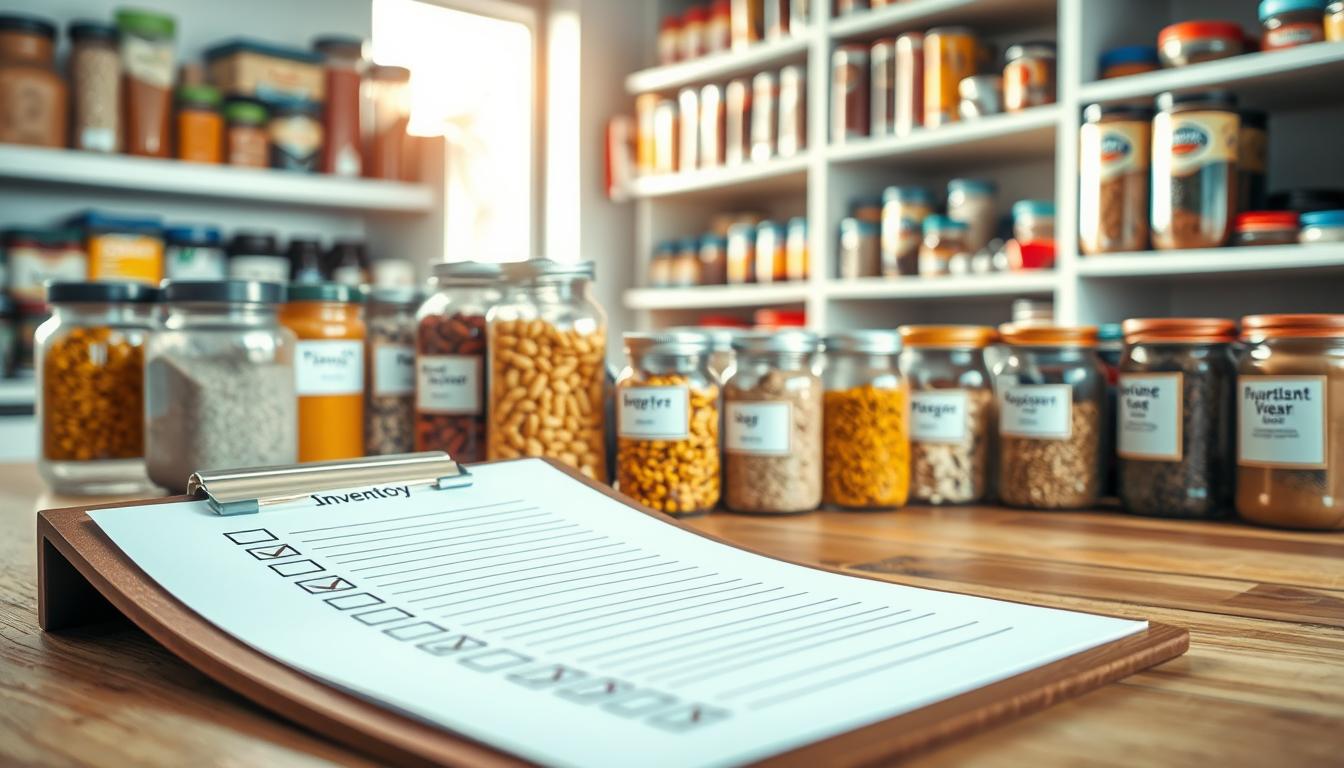
Start with a focused inventory that shows what you actually use each week. A brief scan tells you which ingredients drive meals, which items sit unused, and where to add or cut stock. Keep notes simple so the process takes minutes, not hours.
Create an essential ingredient list from your family’s go-to meals
Write a master list from the recipes you cook most. Combine overlapping ingredients (tomato sauce, broth, common spices) so shopping is fast. This master list turns favorite meals into a usable shopping plan.
Identify the staples you use most often
Flag core staples: pasta, rice, beans, canned tomatoes, broth, and spices. Check how many of those items you have and note duplicates or odd things you never use.
Choose a realistic buffer for your space and budget
Decide whether you need a one-month buffer or a few months. Match stock to your available space and budget. When you use the last jar or bag, add it to your grocery list immediately—simple trigger, fewer surprises.
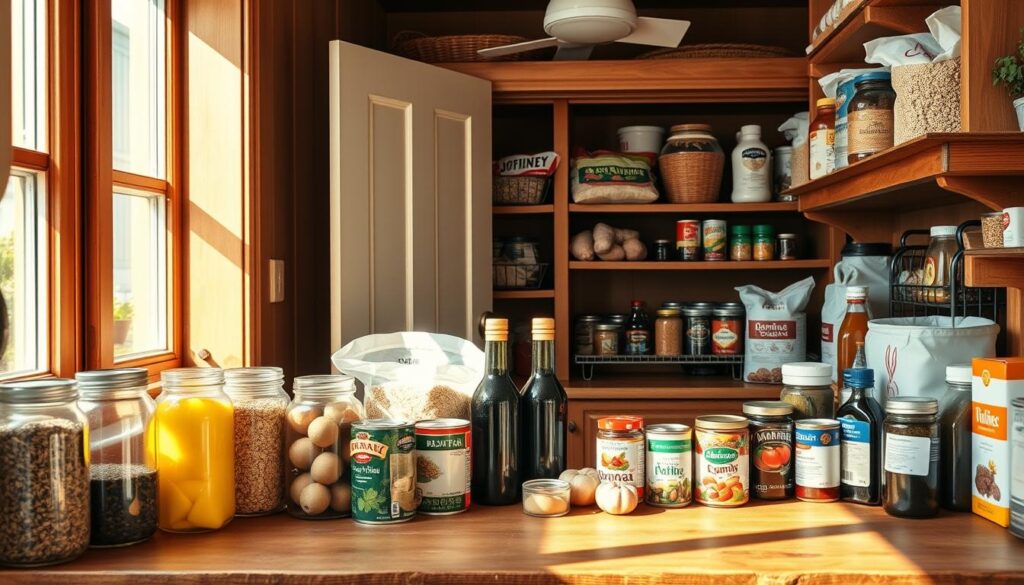
- Fast scan: note what’s missing.
- Keep the master list handy for groceries.
- Adjust quantities to fit your space and cooking habits.
Pantry zones that make rotation automatic
Organizing your shelves into clear zones turns everyday sorting into a simple habit. With labeled spots, you always know where an item belongs and where to look first.
Create easy zones for soups/chili, grains (rice and pasta), baking, breakfast, snacks, and quick-dinner ingredients. Use baskets for snacks and packets so small foods don’t tumble to the back.
Set a “use-this-first” spot
Reserve a small basket or counter bin for near-date items. Make sure those ones sit in the front so they’re seen and used in time.
Place everyday items where you reach
Keep staples like oils, frequently used spices, and cooking grains at eye level. When you reach naturally, older items move forward and become part of your meals without extra effort.
- Why zones work: you stop guessing and start using what’s visible.
- Quick reset rule: when you store new groceries, put them behind older ones and drop each item into its zone.
- Fit your space: a single shelf can hold mini-zones with small bins, risers, or clear trays.
Food storage basics: shelves, bins, and containers that protect freshness
Smart storage choices protect freshness and stop items from hiding at the back of a shelf. When you can see what you have, you store food more confidently and waste less.
Sturdy, adjustable shelving to prevent crowding
Use strong, adjustable shelves so boxes and cans sit level and don’t get buried. A well-spaced shelf makes cans and jars visible at a glance and frees up space for other items.
Clear containers for dry goods
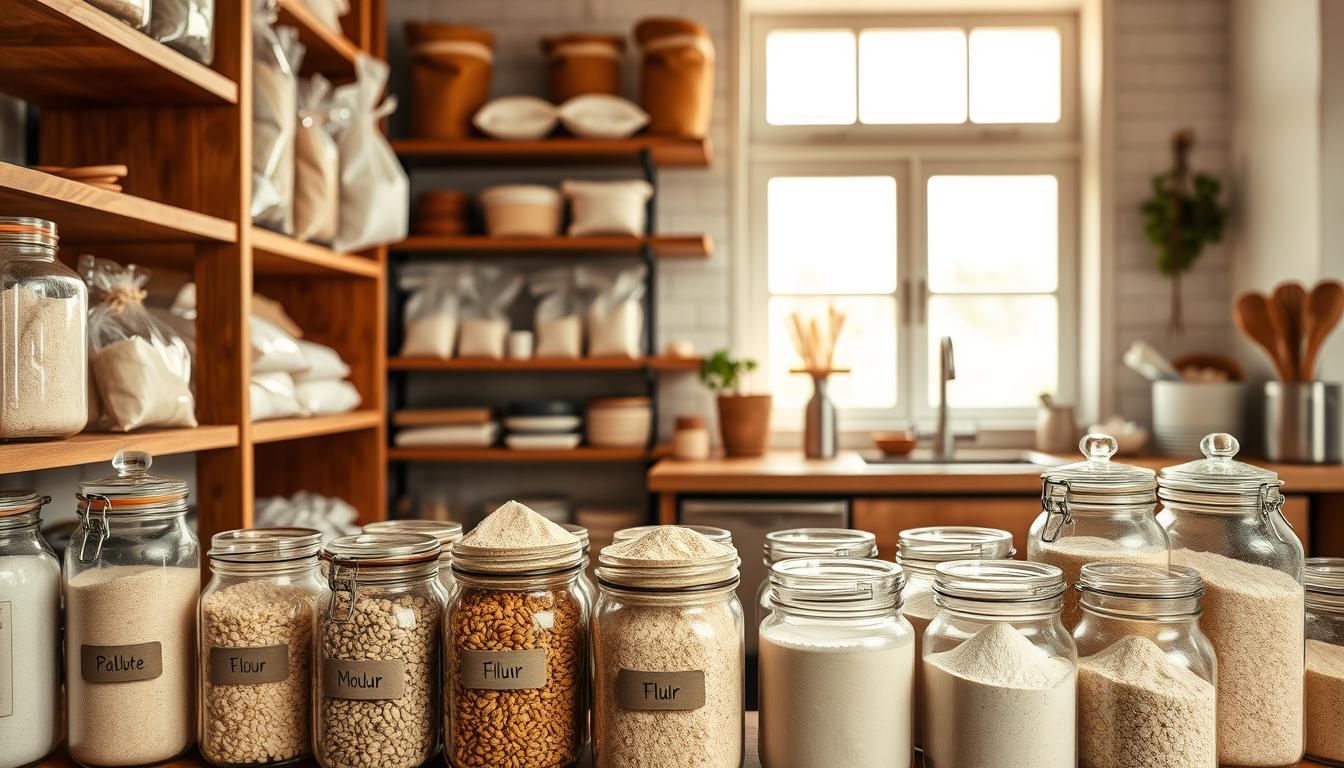
Decant flour, rice, and beans into clear, airtight containers. Clear containers let you check quantities fast, so you know when to buy and when to use what’s left.
Bins for packets, snack bags, and loose items
Small bins keep packets and snack bags from tipping over and disappearing. Group similar things in labeled bins so nothing slips behind taller boxes.
Risers, turntables, and other organizers
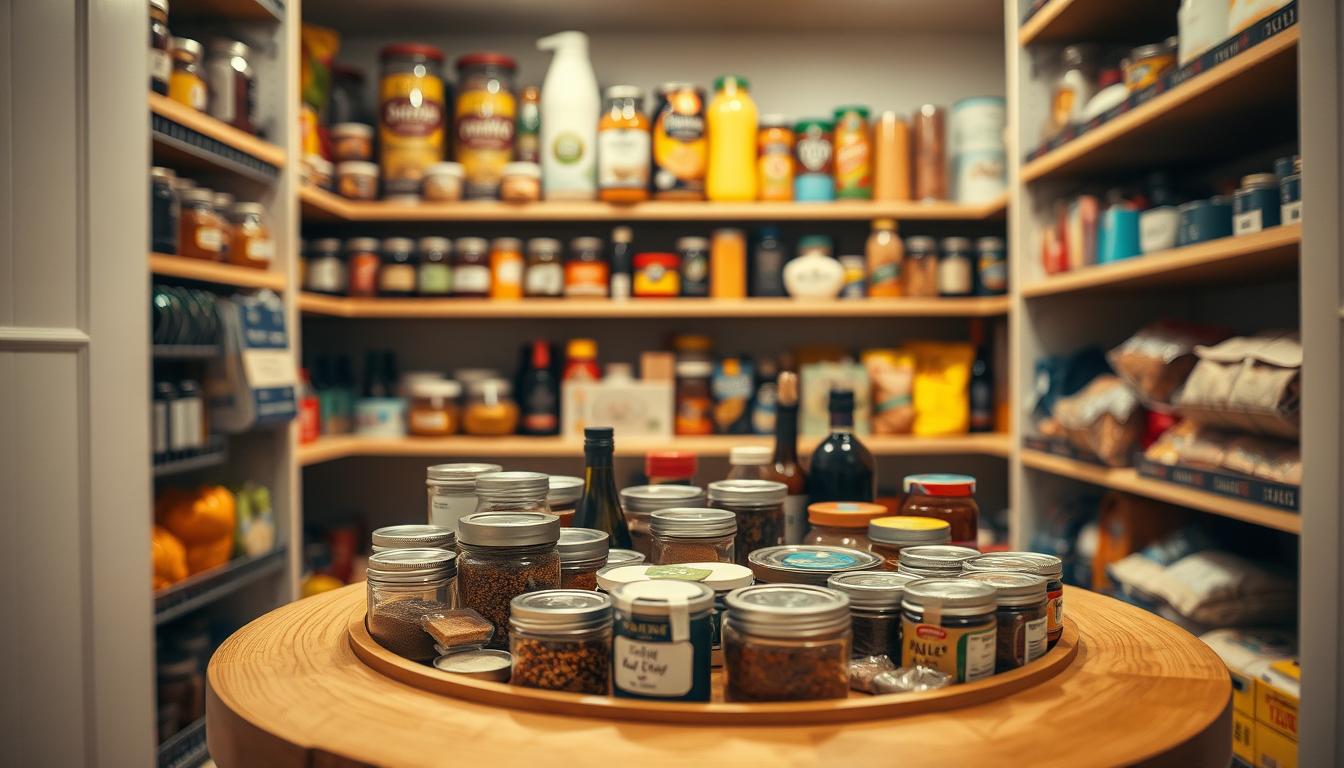
Risers lift cans and jars into view. Turntables (Lazy Susans) make oils, vinegars, and nut butters easy to reach. These organizers expand usable space and cut the time you spend hunting for items.
- Safety and freshness: airtight containers reduce moisture and pests, helping dry foods last longer.
- Visibility helps FIFO: when you can see oldest items first, using them before newer ones becomes automatic.
- Quick setup: invest in one shelf upgrade and a few bins to store food smarter tonight.
Seasonal pantry rotation with the FIFO method
Use a clear first in, first out (FIFO) rule and you’ll stop finding forgotten cans at the back of a shelf. FIFO means when you bring new groceries home, you place them behind what you already have so older foods get used first.
How FIFO works in a home pantry
Put new cans, boxes, and bags behind older ones. That one habit makes meal planning easier because the oldest items naturally move to the front.
Easy shelf flow for cans, boxes, and bags
Arrange cans in front-to-back rows so the nearest can is the oldest. Stack boxes with their oldest side forward. Line bags so open or older bags are easiest to grab.
Why FIFO prevents back-of-the-shelf surprises
For canned goods, FIFO cuts the classic surprise of expired cans hidden at the back. If shelves are tight, rotate by category during your 15-minute clean-out instead of trying to fix everything at once.
- Make sure new groceries never go in front of older inventory.
- Use risers or gravity organizers if you have them, but simple rows work well too.
- When older items are fronted, you’ll naturally plan meals around what needs using first.
Date labels that make “use first” decisions instant
A clear, visible date on each item turns guesswork into a quick grab-and-go choice. Use a bold Sharpie to write the purchase month and year on the front or top so the mark is readable when things are stacked.
What to write and why it matters
Write the purchase date in large numbers (MM/YYYY). This standard beats tiny, varied manufacturer codes and keeps your system consistent across foods and brands.
Read “best by” labels correctly
“Best by” usually guides quality, not immediate safety. Use judgment: prioritize older items first, but don’t treat that stamp as a strict toss date.
- Decanting: label containers with what it is and the purchase date.
- Home jars: mark lids with month/year so preserved foods aren’t mysteries later.
- Quick rule: when choosing between two similar items, pick the older purchase date first.
Keep the format simple and repeatable. A bold marker and a consistent layout make it easy to store food, find things, and make sure older items get used first.
Your 15-minute seasonal pantry clean-out routine
Spend one focused quarter-hour and you’ll leave with clearer shelves and a short plan for the week. Set a timer, grab a basket, and work shelf-by-shelf without a full teardown.
Pull a quick counter basket of items to use soon
Start by placing near-date items into a counter basket. Keep that basket visible all week so those items turn into meals, not clutter.
Scan for duplicates and consolidate partial bags
Quickly spot double cans or boxes and merge partial bags of pasta, rice, and baking ingredients into single containers. This saves space and cuts waste.
Wipe shelves and reset zones without taking everything out
Wipe the front edges, straighten zones, and only remove what blocks access. No total teardown keeps this doable every season.
Rotate: move older items forward and put new groceries in the back
- Quick pull (2 minutes): basket for use-soon items.
- Quick scan (4 minutes): duplicates and partial bags.
- Quick wipe (3 minutes): clean fronts and tidy zones.
- Quick rotate (4 minutes): move older items forward; put new items in the back.
- Quick list (2 minutes): note what to buy next week.
Update a short list of what to restock next week
One-minute restock: staples you’re low on plus one or two grocery items that turn use-first foods into meals. Do this every spring and fall (or every 3 months) to make sure the habit sticks and you make sure waste stays low.
Stocking up seasonally without overbuying
Choose extras that match your family‘s regular meals, not just every tempting sale. Set one clear rule: only buy extra items you know your family will eat. That keeps your shelves useful and avoids wasted food.
Use sales strategically. Pick 3–5 staple foods you use weekly and build a small backstock over time. This saves money without crowding space.
- Set a buying rule: extras only for reliable foods.
- Scan your “use-first” area before shopping so you don’t double up on ones you already have.
- Aim for a one-month buffer; expand to 3–4 months only if you can rotate it.
Preserve fresh produce for later meals
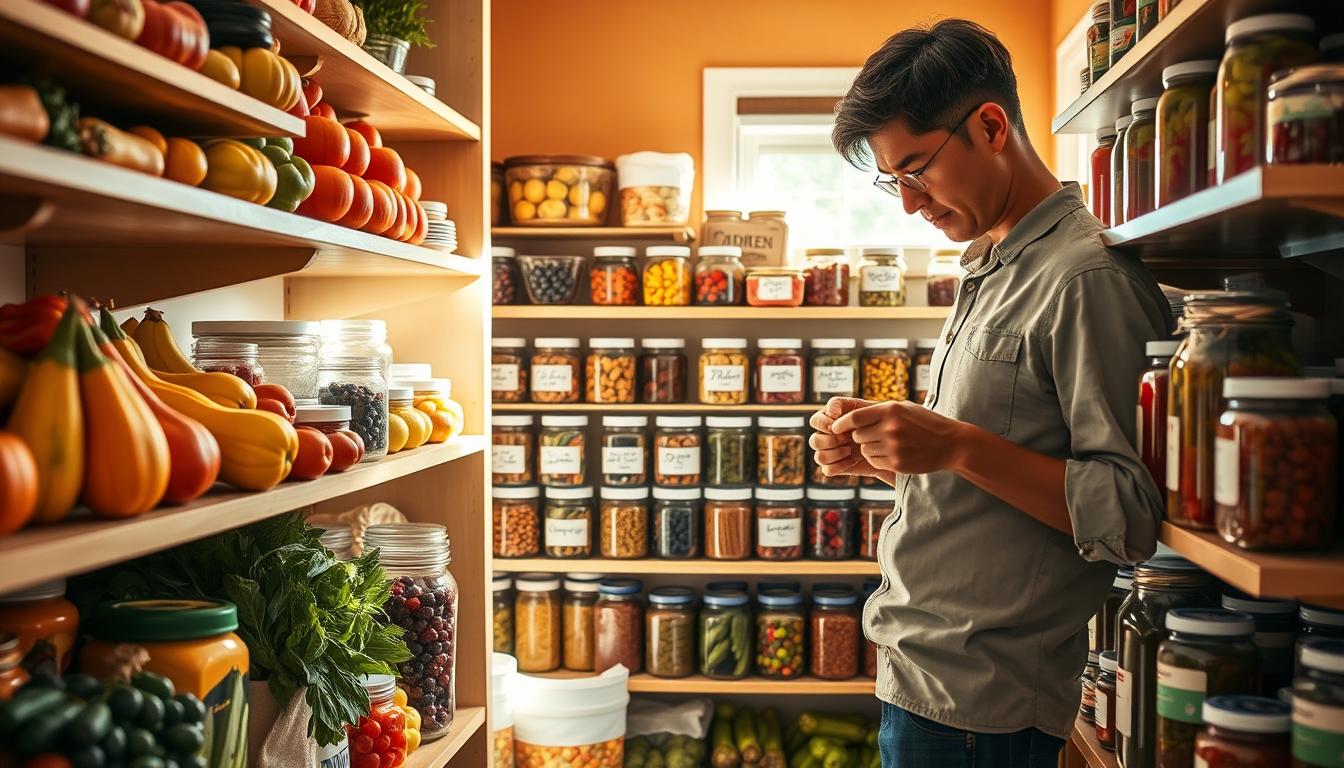
Buy cheaper produce at peak times and preserve it. Late-summer tomatoes become sauce, fall squash turns into soup, and berries freeze for smoothies.
Simple preservation fits a normal week: freeze chopped onions and peppers, flash-freeze berries on a sheet pan, or batch sauce into freezer-ready portions.
Build versatile ingredient stacks
Keep go-to stacks for quick dinners: beans + canned tomatoes + broth + spices make a fast chili or soup base. Pasta + sauce + canned protein turns into a simple, reliable meal.
Tie stocking levels back to your plan and space. A quick check before you buy stops impulse fills and keeps your system working for your family.
Don’t forget the freezer: rotation beyond the pantry
Your freezer can be a meal-planning superpower if you treat it like another shelf that needs regular care. Left unchecked, frozen items become mystery foil packages and wasted food.
Date and label freezer bags and containers to avoid mystery dinners
Label clearly: write the contents and month/year on every bag and container. That one habit stops guesswork and saves time when you cook.
Examples of smart freezer storage and rotation
- Keep newer ground beef behind older packs so the oldest gets used first.
- Stack soups and sauces with the oldest on top for easy pull-and-heat meals.
- Freeze bread, butter, and cheese when you find a sale to stretch value and reduce waste.
Freeze prepped ingredients and build a small freezer-meal lineup
Prep once, cook faster later. Freeze pre-chopped onions, peppers, and berries so weeknight meals take less time.
- Simple lineup: chili, cooked shredded chicken, pasta-sauce portions, and a soup—rotate these through a week.
- Keep 2–4 ready meals so you never rely on takeout when plans change.
Make homemade mixes to save money and control ingredients
Batch taco seasoning or pancake mix and freeze in small portions. That saves cash and keeps you in control of salt and sugar.
Final tip: treat the freezer like food storage that needs dates and order. Rotate what’s frozen and you’ll cut waste, save time, and have reliable meals at home when schedules get busy.
Conclusion
This simple wrap-up reminds you that the goal is steady progress, not perfection. Keep a short inventory, clear zones, basic storage upgrades, FIFO placement, bold date labels, and a 15-minute reset on your list.
Visibility leads to action: when you can see food, you use it. Better sight lines mean less waste, fewer duplicate buys, and easier weeknight meals.
Pick one start-now step: set a “use-this-first” basket, date a few key items, or rotate one shelf today. After your next grocery run, put new items in back and move older items forward to lock in FIFO.
Keep the system simple so you repeat it. The payoff is plain: less stress, fewer emergency store trips, and more confidence that you can feed your household with what you already have.