
You want a simple system so you can see what you own, grab jars fast, and put them back without reshuffling. This guide shows a clear path: take inventory, pick containers, map zones, choose a style, then label and maintain.
Why it matters: When your spices are easy to reach, you use them more, keep them fresh, and avoid duplicates. Good Housekeeping notes many modern options like revolving trays, drawer organizers, over-door holders, floating shelves, and magnetic jars.
There’s no single best solution for every kitchen. Your layout and habits decide whether a drawer system, deep pull-out, floating shelf, pantry-door option, countertop turntable, or magnetic setup fits best.
This how-to will also offer DIY afternoon builds and renter-friendly fixes like trim-to-fit liners and tension rods. Expect US-focused tips: common cabinet sizes, easy-to-find materials, and practical checkpoints for measuring space, planning layout, and creating a simple reset routine so your organizer keeps working.
Why spice organization matters in today’s kitchen
A tidy shelf helps you finish dinner faster because you can spot what you need at a glance. A small, consistent system saves you minutes during weeknight prep and cuts down on frustration.
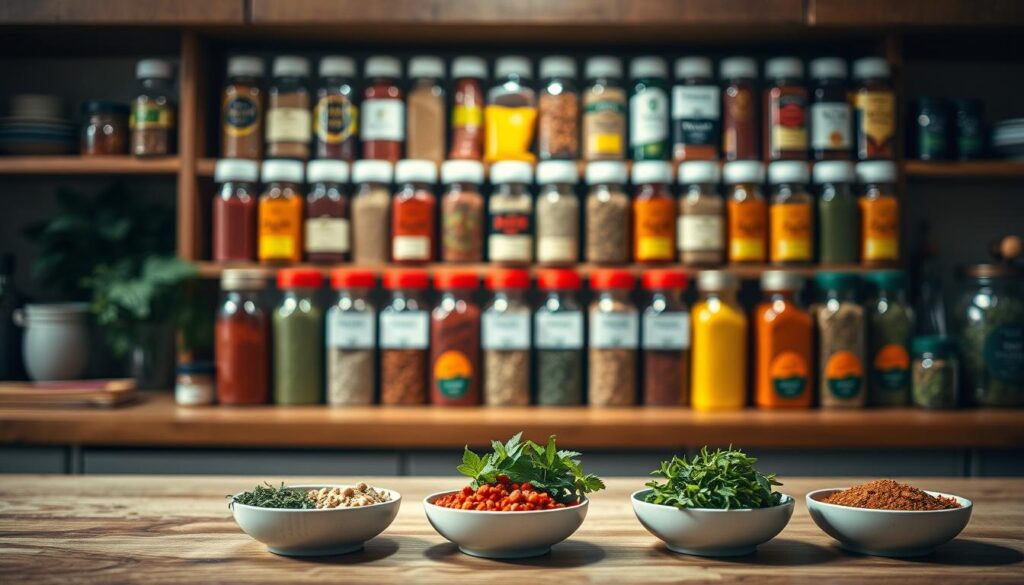
Faster cooking when every jar is visible and within reach
Visibility speeds service: when each jar label faces you, you stop digging and start cooking. That saves you real time on busy nights.
Less waste when you stop buying duplicates
One dedicated place for seasonings reduces decision fatigue. If you can see what you own, you stop buying the same item twice and keep your pantry lean.
Better flavor when you store spices the right way
- Old herbs lose punch; fresh ones lift dishes.
- The main enemies are heat, light, and moisture — avoid them to keep spices potent.
- The best way is the simple system you actually use: place daily drivers near prep and tuck specialty items elsewhere.
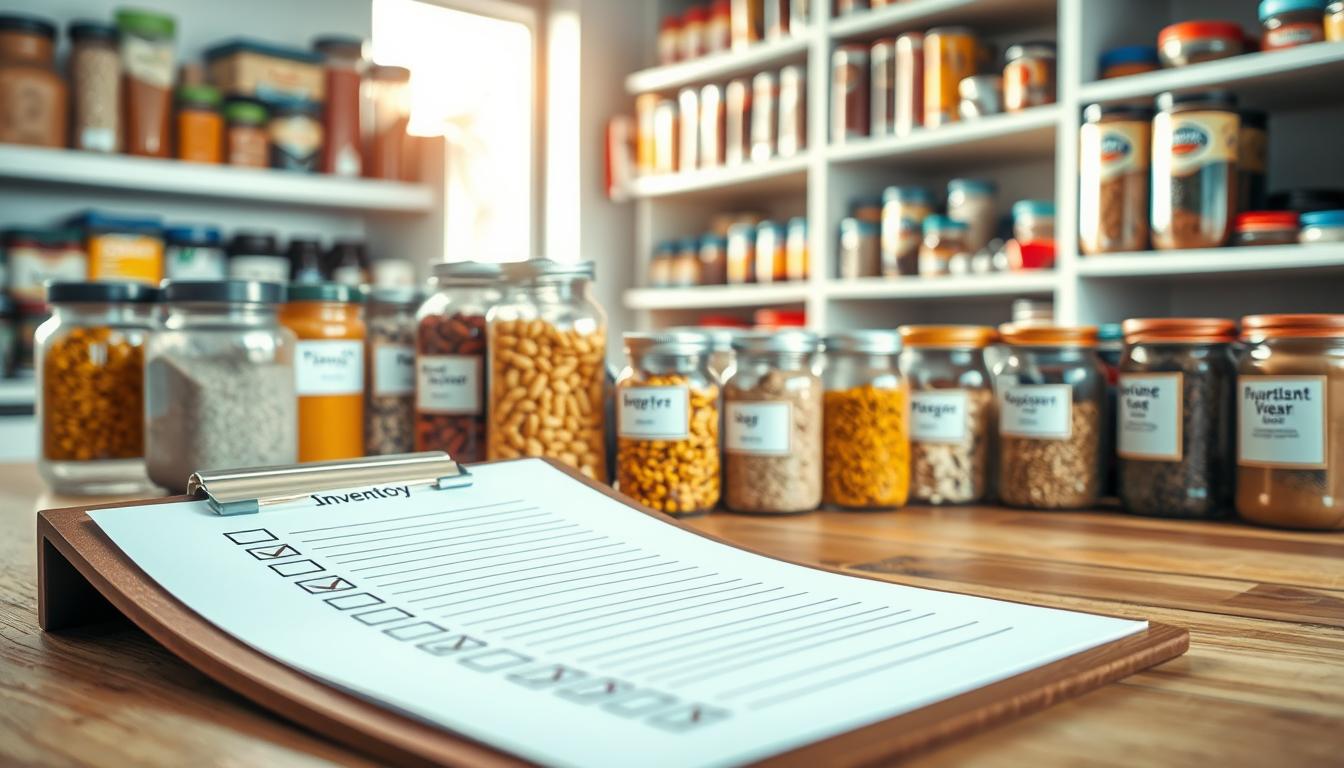
Before buying new containers, take inventory so you organize what you truly use and know how to store spices for the long term.
Take inventory and purge before you organize spices
Start by emptying the cabinet so you can see every jar and bottle at once. Lay the collection out and give yourself a quick scan. This makes decisions fast and obvious.
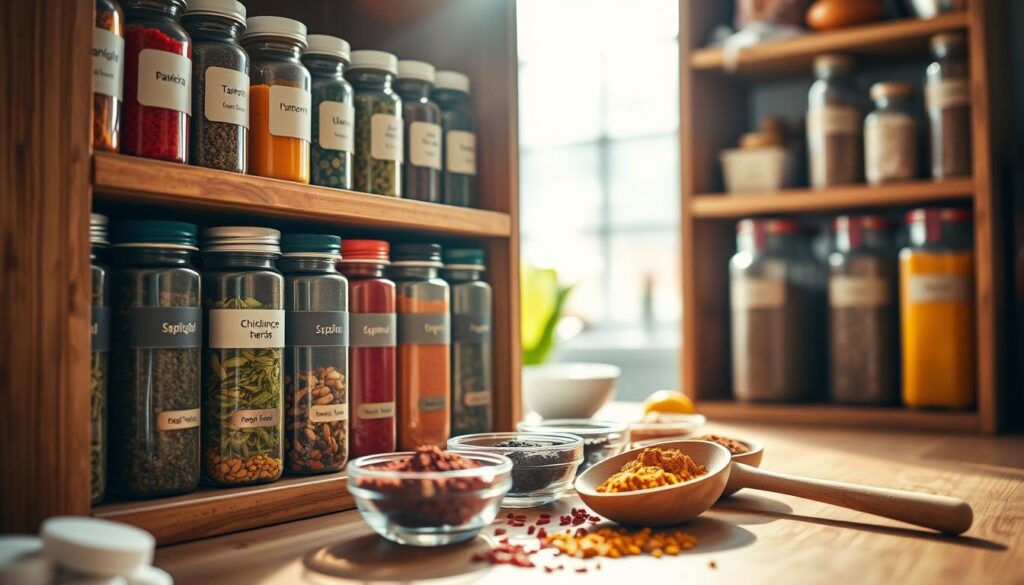
Sort by type
Group like with like: separate spices, herbs, blends, baking spices, and salts. Placing similar items together helps you spot duplicates and streamline use.
Check freshness now
Do a simple aroma and color test. If a jar barely smells, if the hue looks dull, or if it’s been years since purchase, mark it to toss. Age matters: flavor compounds fade over years, especially near heat. Replace what won’t contribute to good meals.
Decide stove vs. pantry
Keep daily drivers—salt, pepper, and frequently used blends—by the stove. Move rare or specialty bottles to the pantry for long-term storage.
- Make a short restock list of tossed items and needed items.
- Limit aspirational things you haven’t used in years.
- Once pared down, pick jar sizes that fit your space for a simple solution.
Choose the right containers: spice jars, bottles, and tins
Match your containers to the space you have and the way you reach for seasonings most often. The right choice keeps labels legible, refills predictable, and daily use simple.
When uniform glass jars make sense
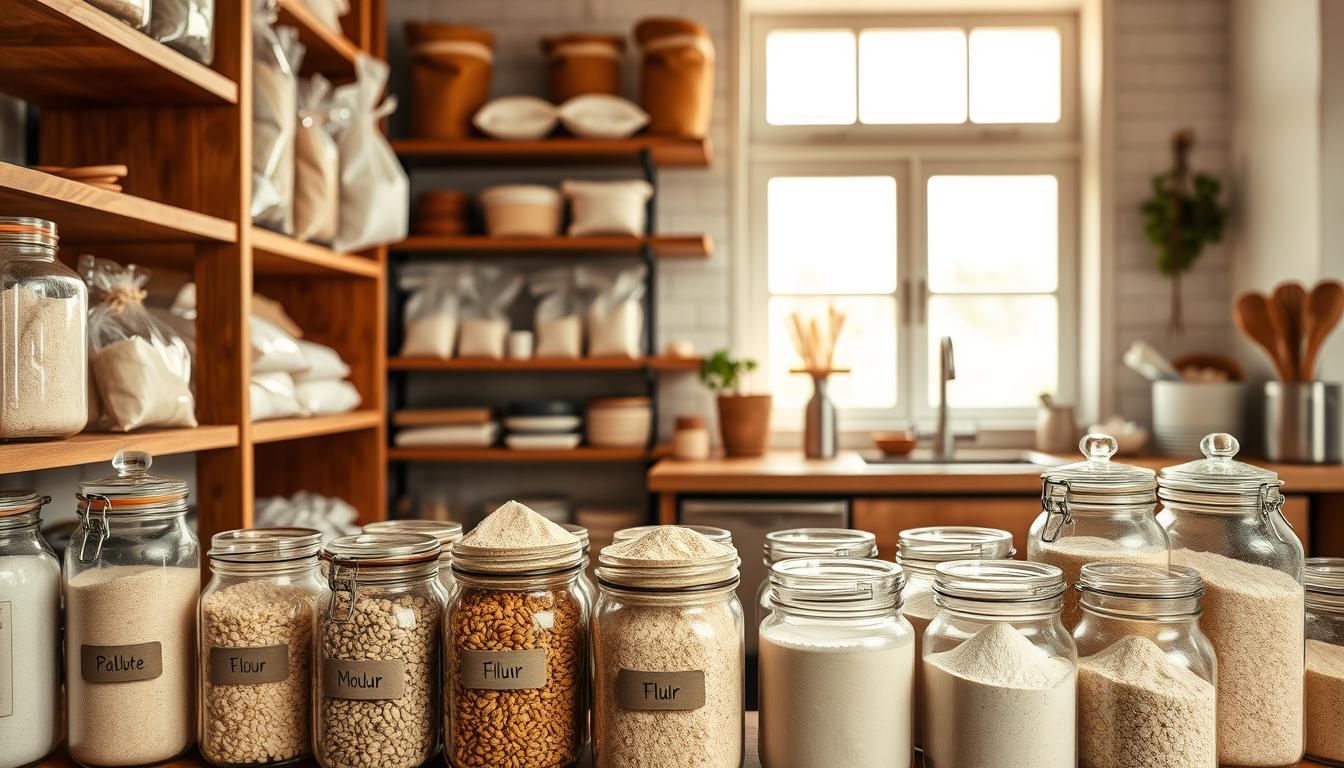
Uniform glass jars are ideal when drawer footprint or tiered shelves matter. Consistent shapes fit neatly, make labeling clean, and simplify restocking.
Yes, transferring takes time up front, but it makes long-term use predictable. If you value neat rows and easy measuring, glass wins.
Comparing bottles, jars, and magnetic tins
Bottles pour and shake well for liquids and fine salts. Wider jars work better when you scoop with measuring spoons.
Magnetic tins maximize visibility and free cabinet space. They work best on a sturdy metal plate or fridge, like the approach Jessica Welling Interiors uses with chalkboard labels. Ensure strong magnets and a reliable metal base so tins don’t slip.
- Good for small kitchens: fridge or mounted metal plate for magnetic jars.
- Choose glass when you want shelf aesthetics and drawer readability.
- Pick metal tins for wall display and quick access; verify magnet strength.
Handling oversized containers
Keep bulk cinnamon or large salts in their original bulk containers and give them a dedicated zone. This prevents awkward gaps and preserves your system’s flow.
Decanting rule: move everyday items into uniform jars; leave bulk or rarely used bottles in place. Match container choice to your storage zone—drawer, shelf, wall, or door—to keep everything usable.
Spice rack organization basics: map your kitchen zones
Start by sketching the zones where you cook, prep, and store — this map guides every storage choice. A short sketch helps you match solutions to real measurements before you buy anything.
Measure first
Measure cabinet width and depth, drawer interior height, wall clearance, and pantry door depth. These numbers determine which rack fits and what will slide, tilt, or crowd your space.
Create a permanent place
Give seasonings a dedicated place so they stop migrating to the counter. When jars have a home, counters stay clear and your prep area stays fast.
Pick a simple logic
Choose one system you will keep: alphabetical for quick scanning, cuisine groups for themed meals, or frequency-based to speed everyday cooking.
- Zones to consider: prep (near cutting boards), cooking (by the stove), storage (pantry/cabinet).
- Keep a small everyday set near where you cook and a larger backstock elsewhere.
- Use door and wall solutions when drawers and cabinets run out of space.
Decide the way you’ll maintain it — pick what works on tired weeknights so you actually keep spices neat. Next, we’ll match those measurements to drawer, cabinet, and wall solutions.
Drawer spice storage that keeps everything readable
Drawers turn cluttered shelves into a tidy, readable staging area where you can see every jar at once. You read labels from above and avoid stacking bottles behind each other. That alone speeds prep and cuts waste.
Tiered drawer organizers that expand to fit your drawer
Angled, expandable tiers hold jars on a slight slope so labels face up. Good Housekeeping likes models that widen to match your exact drawer width.
Trim-to-fit liners for a renter-friendly solution
Foam liners (YouCopia-style) let you cut to size with scissors. They cushion jars, stop sliding, and require no mounting.
DIY inserts using tension rods
Bless’er House recommends short tension rods across the drawer to create rows. They stabilize jars, are cheap, and remove cleanly when you move.
Vertical drawer racks for max capacity
Vertical systems store more items upright and let you pull the whole row out for quick access. Match jar height to drawer depth so lids don’t rub the top.
- Selection tips: check jar height vs. drawer depth before buying.
- Use top or angled labels so you identify seasonings without lifting jars.
- Keep daily drivers at the front for seconds-savings during cooking.
Cabinet solutions for deep shelves and hard-to-reach spices
When jars vanish to the back of a deep cabinet, you lose track and buy duplicates. Fixing that blind spot keeps your collection useful and your pantry lean.
Pull-out reach for back-of-shelf access
Pull-out organizers slide forward so items at the rear come to you. Good Housekeeping praises them for making every jar reachable without kneeling or unloading other items.
Tiered and double-layer options
Tiered shelves lift labels so nothing hides behind taller bottles. U-shaped, double-layer expandables create two visible rows and use a non-slip base to stop shifting.
Flip-down shelves for mixed jar sizes
Flip-down systems save vertical space. They often hold up to 24 jars and use adjustable dividers to fit different heights and widths.
Quick-start and DIY inserts
Stackable cabinet organizers give fast results with no tools. If you’re handy, a custom tiered insert can look built-in and hold jars steady on the top and middle shelves.
- Core problem: deep shelves hide jars and create blind spots.
- Placement tip: avoid the highest shelf if you can’t read labels comfortably.
- Pro move: keep a small everyday set near your prep zone when cabinets are far from the stove.
Wall-mounted spice racks that double as kitchen decor
Mounting shelves on a wall frees counter space and keeps jars front-facing for fast use.
Why wall storage works: it uses vertical space, keeps labels visible, and can function as decor in a small kitchen. You gain sightlines that stop duplicate buys and make daily cooking faster.
Floating shelves to display jars and keep labels front-facing
Floating shelves let you line jars in a single row so labels face you. You can stain or paint the shelf to match your home style. Little House on the Corner shows this needs no special tools beyond a drill and anchors.
Simple wall shelf racks with clean lines for a modern look
Choose minimal shelf sections for a streamlined, modern kitchen. H2O Bungalow’s approach uses straight lines and open spacing so the display reads like built-in storage rather than clutter.
Chalkboard-back spice racks for labels, notes, and style
Paint the backboard with chalkboard paint to add menus, shopping notes, or category tags. Houseful of Handmade popularized this look: jars remain readable and you get an extra layer for quick reminders.
Tall, skinny wall racks that fit small spaces
For narrow gaps beside a fridge or cabinet, a tall, skinny shelf fits where larger units won’t. Making Manzanita demonstrates a slim build that maximizes vertical space without crowding counters.
- Mounting tip: drill into studs or use rated anchors for safety.
- Placement tip: keep jars away from direct steam and splatter zones near the stove.
- Layout tip: place your most-used jars at eye level and store the rest higher or lower.
- Style tip: use cohesive jar shapes and consistent labels so the wall looks intentional, not busy.
Use your pantry door and cabinet door for hidden storage
Unused door surfaces are an easy win: they give you vertical real estate without taking up shelf space. Mounting a system on the inside of a pantry or cabinet door turns wasted area into a tidy zone for everyday jars and pantry items.
Over-the-door multi-tier organizers
Good Housekeeping recommends a six-tier over-the-door organizer for pantry doors to hold seasonings and dry goods. Multiple rows keep labels visible and free up cabinet shelves for larger items.
DIY racks sized to your door
Maria Louise Design shares a simple DIY approach: build a custom rack to the exact pantry door height and thickness for a built-in look. A tailored build improves stability and keeps shelves flush with the door frame.
- Fit checks: measure door thickness, hinge clearance, and shelf depth so jars won’t hit the frame when you close the door.
- Grouping logic: store baking spices together, international blends in one row, and backup jars behind daily drivers.
- Noise control: use non-slip liners or small rails so bottles don’t rattle when the door moves.
- Pantry vs cabinet: pantry doors usually hold more weight and offer better clearance; choose the door that fits your home and how you cook.
Final tip: the best way is the one you will maintain. Door storage helps only if you return jars to the same spot after use.
Countertop spice racks for everyday seasonings
A compact counter setup keeps everyday flavors within arm’s reach while you cook. This is the best way when you use a few jars every night and want quick access without opening drawers or cabinets.
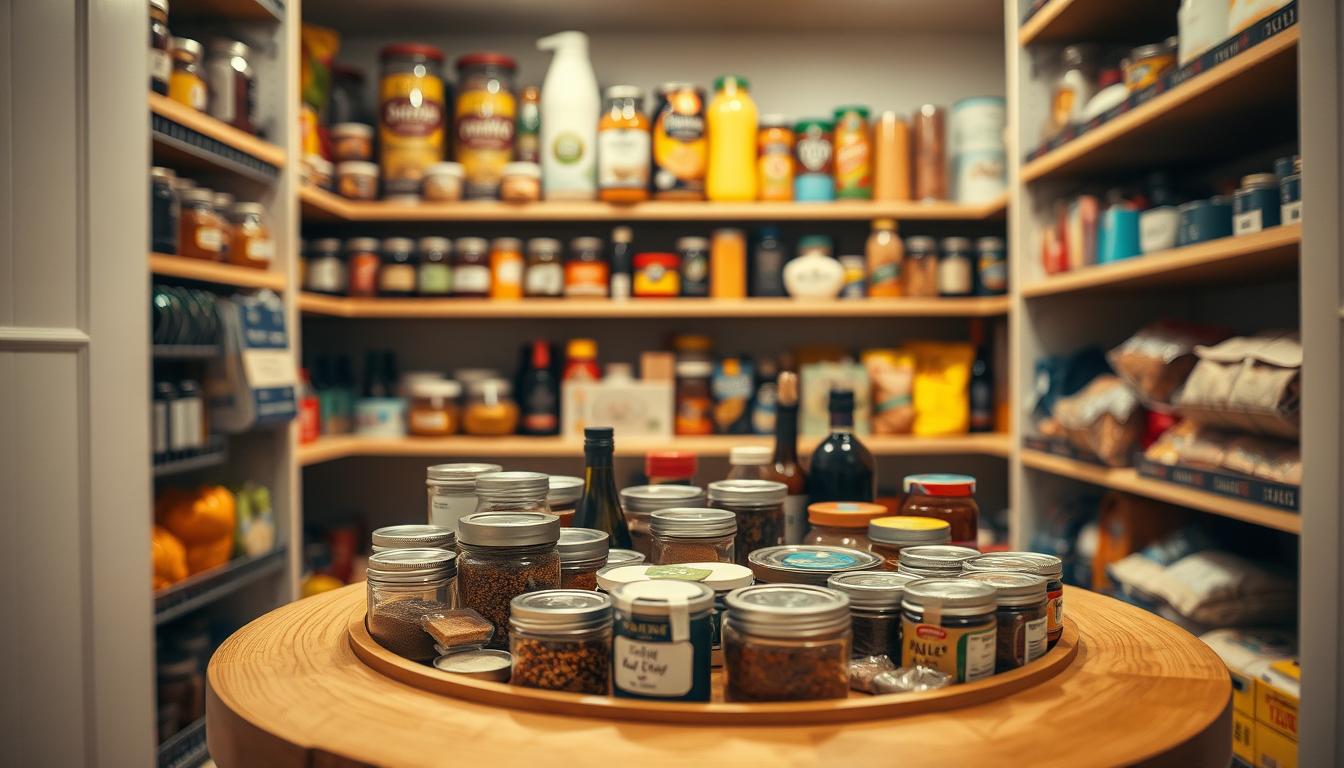
Revolving designs and Lazy Susans for quick grabbing
Revolving models spin so you can find the right jar fast, which helps when you’re juggling pans and prep. Good Housekeeping recommends these for easy, one-handed access.
Lazy Susan turntables work well on deep counters or inside cabinets; smooth rotation keeps all jars reachable even in tight depth.
Compact half-moon and freestanding metal options
Half-moon displays save counter space and look decorative. They fit a curated set of daily flavors and keep labels visible.
Freestanding metal units are sturdy and often multi-tiered. Use them when you need vertical storage on a small counter and want a durable solution.
Criss-cross bamboo style that moves with you
Criss-cross bamboo organizers hold jars in angled cells so labels stay readable. They’re light enough to shift from counter to wall or cabinet as needed.
- Practical rule: keep only “daily drivers” on the counter to prevent new clutter.
- Place racks away from heat and grease; wipe jars and surfaces regularly so labels remain clear.
- Allow airflow and keep units off the direct stove splash zone for longer jar life.
Magnetic and fridge-friendly spice storage (when you want visibility)
Magnetic mounts turn overlooked jars into a clear, grab-and-go display you actually use. This method keeps daily flavors front and center so you remember what you own and reach for things faster.
Mount a metal plate or use the fridge for magnetic jars
Two easy setups work well: stick magnetic containers directly to your fridge or install a slim metal plate on a nearby wall for a cleaner look. Good Housekeeping notes many magnetic tins cling well to either surface.
How to prevent sliding and keep labels easy to read
Choose containers with strong magnets and test each one before filling. Hexagonal tins can nest to reduce shifting, while clear jars show color better if you prefer a peek inside.
- Anti-slip tips: avoid overloading and use strong magnets only.
- Label advice: place a front-facing label on a wall plate or a top label if you grab from above.
- Flexible labels: chalkboard labels make renaming blends simple, which Jessica Welling Interiors often uses.
Keep magnetic storage for daily items and store excess in the pantry to prevent visual clutter. Also keep the display away from steamy zones so lids and labels last longer.
DIY spice rack ideas you can build in an afternoon
A few hours and simple materials are all you need to craft a functional, stylish holder for everyday herbs and spices. These weekend–afternoon projects give you a custom solution that fits odd cabinet gaps, matches your home, and keeps jars readable.
Pull-out cabinet builds for narrow gaps
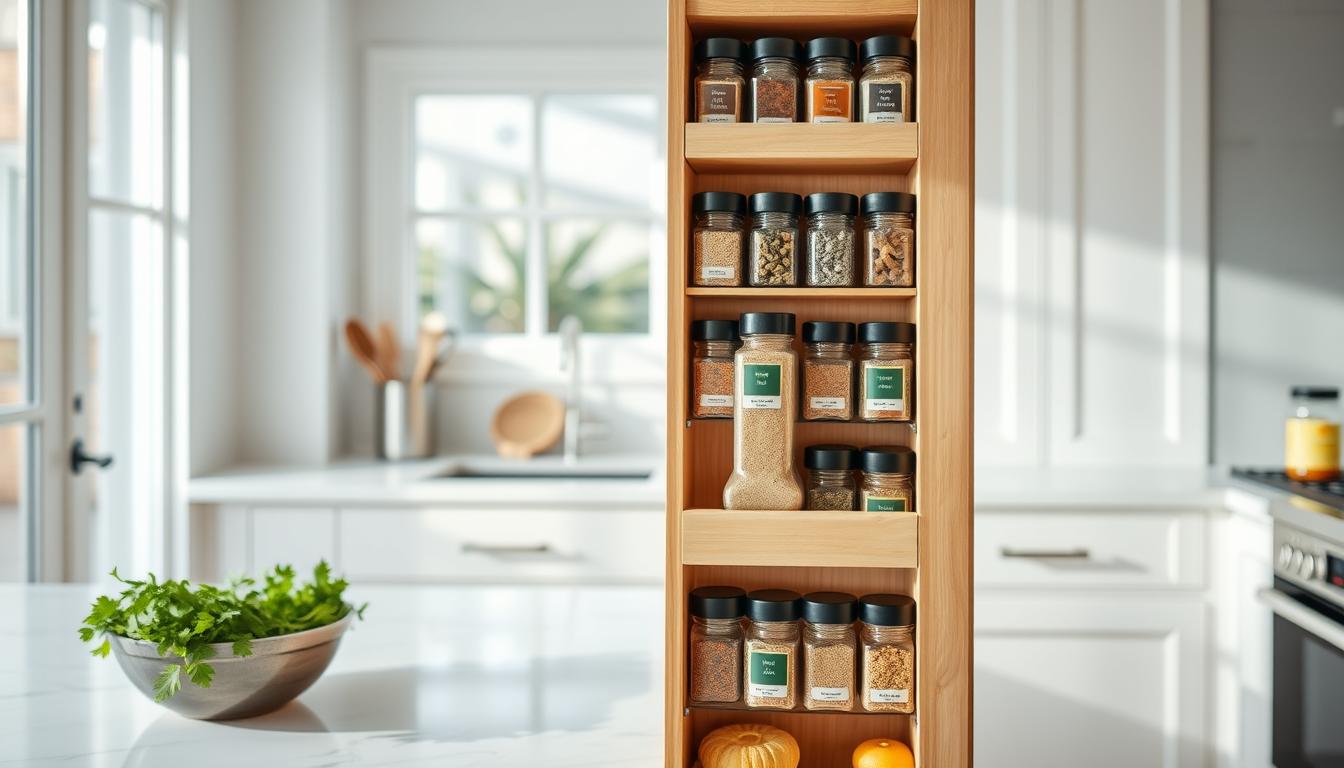
Turn slim spaces into useful storage: a tall, skinny pull-out fits between a wall and a cabinet or in a shallow pantry slot. Use a sliding base, narrow shelves, and a shallow stop so jars won’t tip when you slide it out.
Measure twice, account for hinge and door clearance, and test with empty jars before loading. Houseful of Handmade has a clear tall pull-out plan you can adapt to your cabinet width.
Farmhouse-style mason-jar solution
Mini mason jars give a charming, visible option: mount a small wooden board with ring holders or inset lids so jars hang or sit securely. Remodelaholic’s video shows how this can be wall-mounted or freestanding depending on your counter space.
Choose consistent jar sizes and matching labels so the display reads tidy and you can find herbs fast.
Modern metal builds for experienced DIYers
Sleek metal options suit contemporary kitchens: if you have welding experience—or are learning—Jen Woodhouse’s metal project is a great starter. Welded frames deliver durable, slim profiles that pair well with stainless hardware.
Plan safety, ventilation, and finishes. Powder coating or brushed metal will match lighting and handles in your home.
- Quick planning tips: measure depth, height, and door swing; confirm jar stability when pulled out.
- Finish choices: paint, stain, powder coat, or raw metal to match your kitchen style.
- Keep a consistent set of jars and labels so the DIY solution stays usable and tidy over time.
Labeling and layout: the step that makes your organizer work
The right label, in the right place, saves minutes every time you cook. This step is make-or-break: without readable labels, even the best setup slows you down and leads to duplicate buys.
Where to place labels for fast scanning
Top labels for drawers: put a clear label on the lid so you can read jars from above.
Front labels for shelves: use a front-facing label so items read at eye level. Always keep the same orientation so you can scan quickly.
Label methods that work
Chalk markers are flexible and easy to update. Printed labels give a crisp, uniform look and last longer. Paint pens are durable for frequent handling.
Cohesive naming and grouping
Pick one naming standard for your terms (for example, “Chili Powder” not “Chilli”) and stick to it to avoid accidental duplicates.
- Group daily drivers where you cook for fast access.
- Move occasional spices to a secondary zone to save counter and shelf space.
- Update the label whenever you refill so names and amounts stay accurate.
Readability tips: use high-contrast colors, larger fonts, and avoid script styles that slow identification. Good labeling supports alphabetical, cuisine-based, or frequency systems and saves you real time every single cooking session.
Keep spices fresh long-term with smart storage habits
Small daily habits protect flavor and keep your jars useful far longer. Follow a few placement rules and a short monthly check to preserve aroma and make your food more consistent.
Heat, light, and moisture: what to avoid near the stove
Heat and steam speed up flavor loss. Don’t place jars directly above or beside the stove or next to a tea kettle where bursts of steam hit lids.
Light fades color and aroma; choose darker cabinets or opaque containers when you can.
Moisture causes clumping and sticky lids—keep bottles away from the sink and dish-dryer zones.
How to restock without breaking your system
Refill into the same containers and keep label terms consistent so you always know what’s inside. Avoid mixing old and new in one jar; transfer only when the remaining amount is small.
Use a “one in, one out” rule: if you buy a duplicate, decide which jar to keep and which to rotate to use up first.
A quick monthly reset routine to keep racks and shelves tidy
- Wipe lids, spot-clean jars, and straighten labels so names face the top or front.
- Check for clumping or sticky lids; move problem jars to a drier spot.
- Note near-empty containers and add them to your shopping list at the top.
Remember: long-term storage is less about perfection and more about simple habits you repeat in your kitchen. Those small checks protect flavor and make every meal taste better.
Conclusion
Finish strong: a quick, single plan turns a scattered collection into a daily-ready set you actually use.
Follow the simple steps we laid out: inventory, purge, pick containers, measure zones, choose a spice rack style, label, and maintain. The result is faster meals, fewer duplicates, and bolder flavor when you cook in your kitchen.
Choose one primary location — drawer, wall, counter, or fridge — and keep overflow small so the system stays simple. Pick one upgrade this week (labels, a tiered organizer, a door rack, or a pull-out) and build from there.
Note: many shoppers prefer proven systems; Vertical Spice rates 4.9/5 for fit, durability, and fast setup. Home editors also favor solutions that boost visibility and reduce clutter through clear grouping and labeling. Do a quick monthly reset so your spice collection stays useful long after your project day.