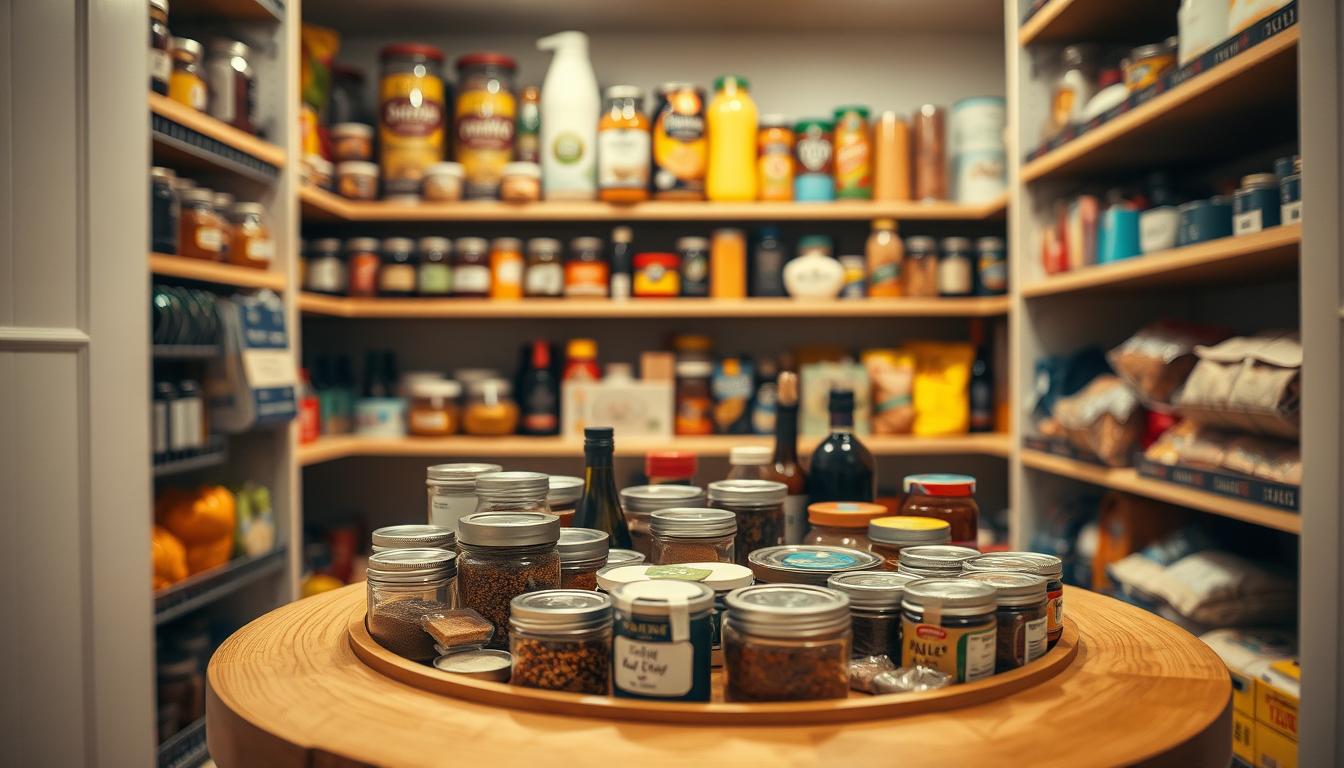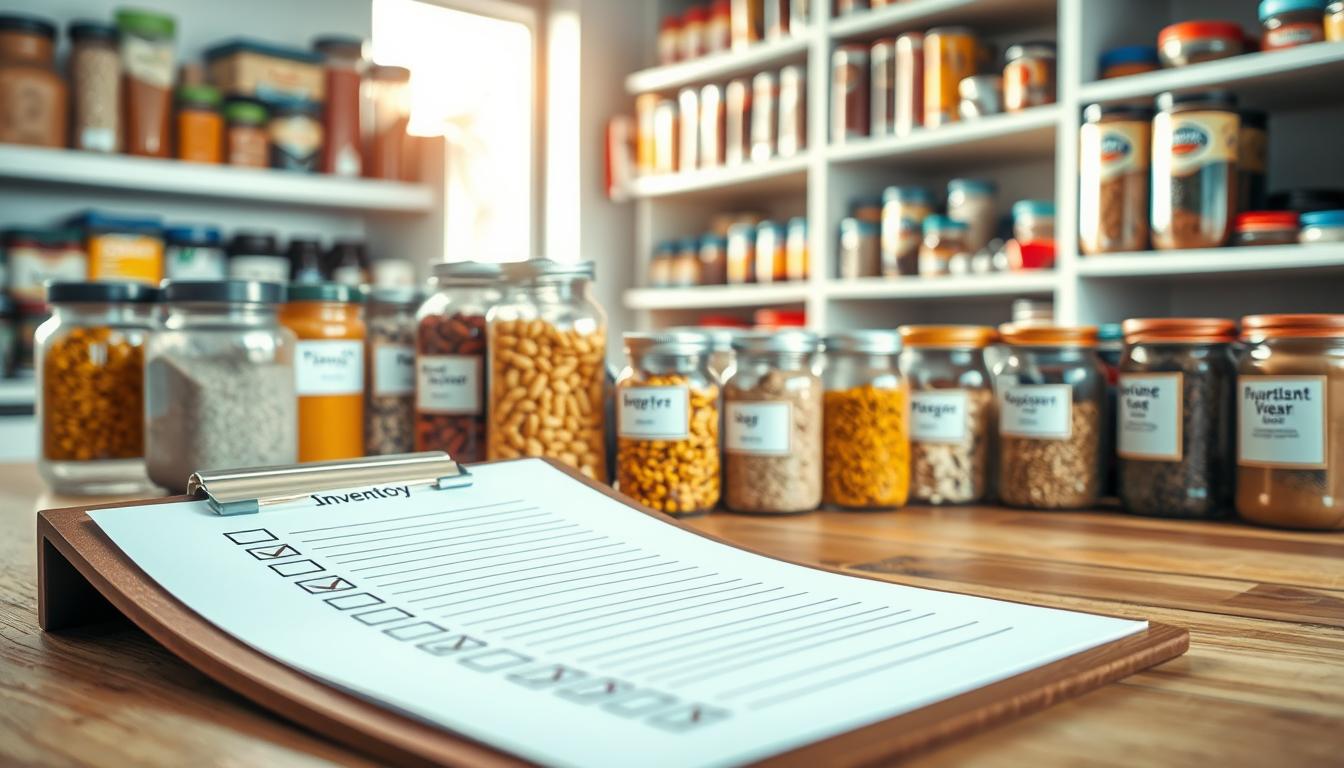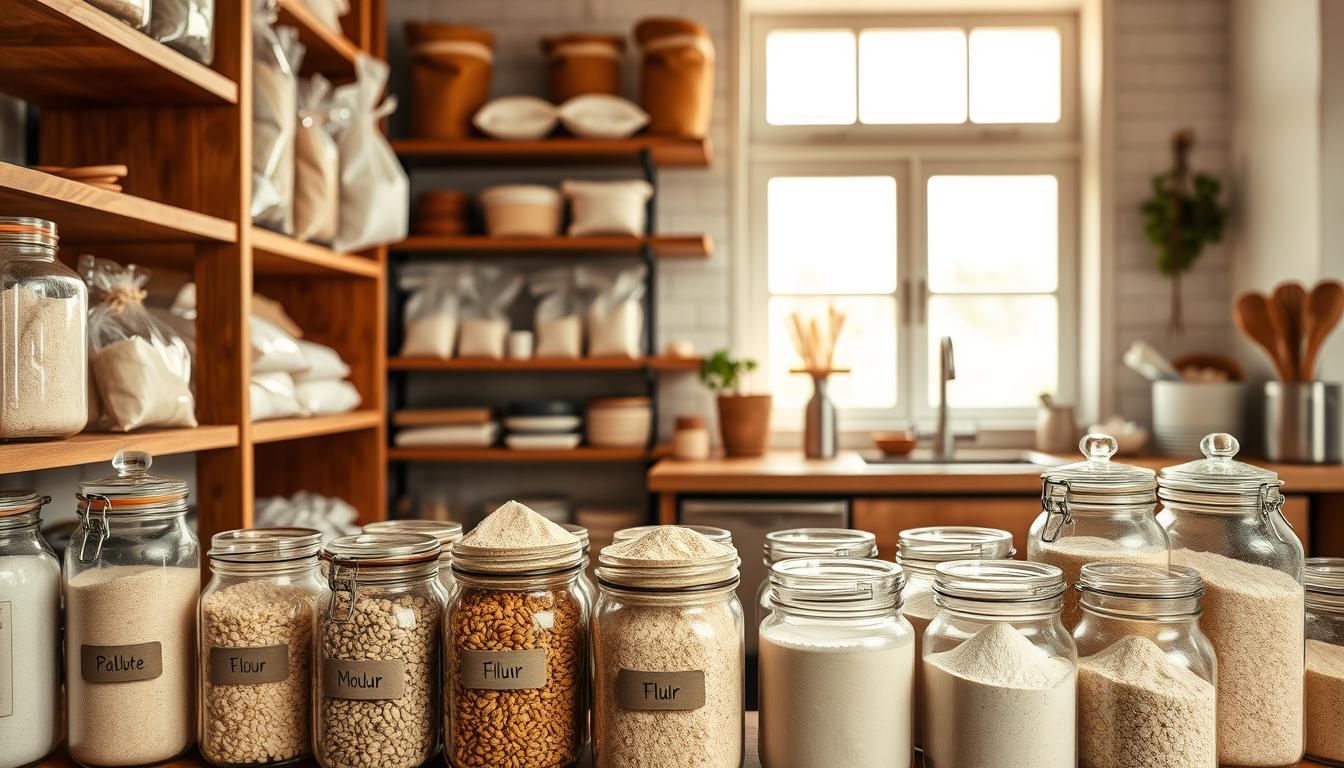

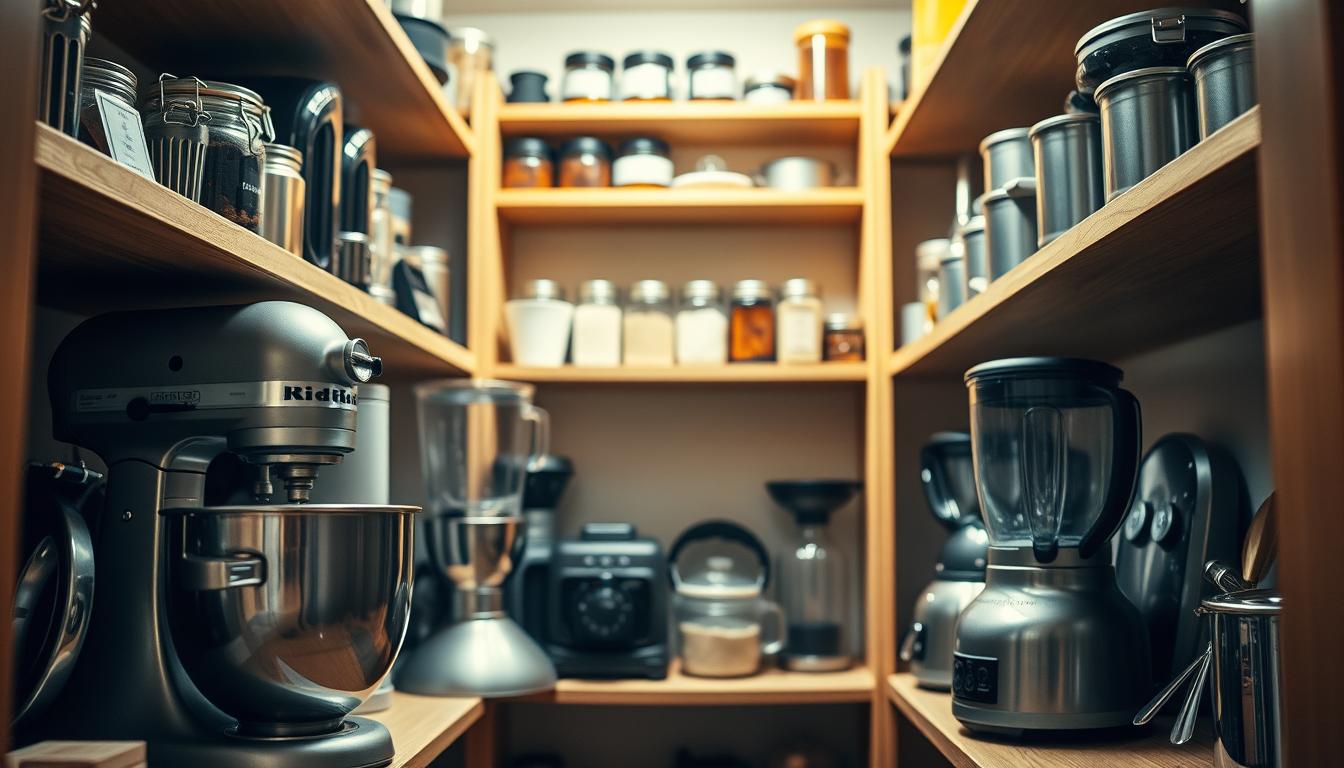
Clear, safe storage keeps your counters tidy and your back protected. In many homes, you balance daily items on the counter with less-used devices tucked in a cabinet or pantry. This intro shows why pantry placement must focus on safety, not just what fits.
You’ll learn a step-by-step approach: declutter, zone by workflow, pick low shelf locations for heavy gear, and adopt a lift-and-store routine. The goal is to reduce counter clutter, cut strain on shoulders, and prevent shelf failures.
Key risks to avoid include dropping an item from a high shelf, lifting above shoulder height, and using weak shelves that sag over time. Think of your pantry as an appliance garage: out of sight but ready when you need it.
Along the way, you’ll get tips to keep food and machines compatible by managing crumbs and grease, securing cords, and avoiding clutter traps. Follow these basics and your pantry will become a safe, practical storage space for kitchen use.
Plan your pantry storage around safety, frequency, and your kitchen workflow
Plan where things live in your pantry based on how often you reach for them. That simple rule keeps your counters clear and reduces risky lifts when you are busy with food prep.
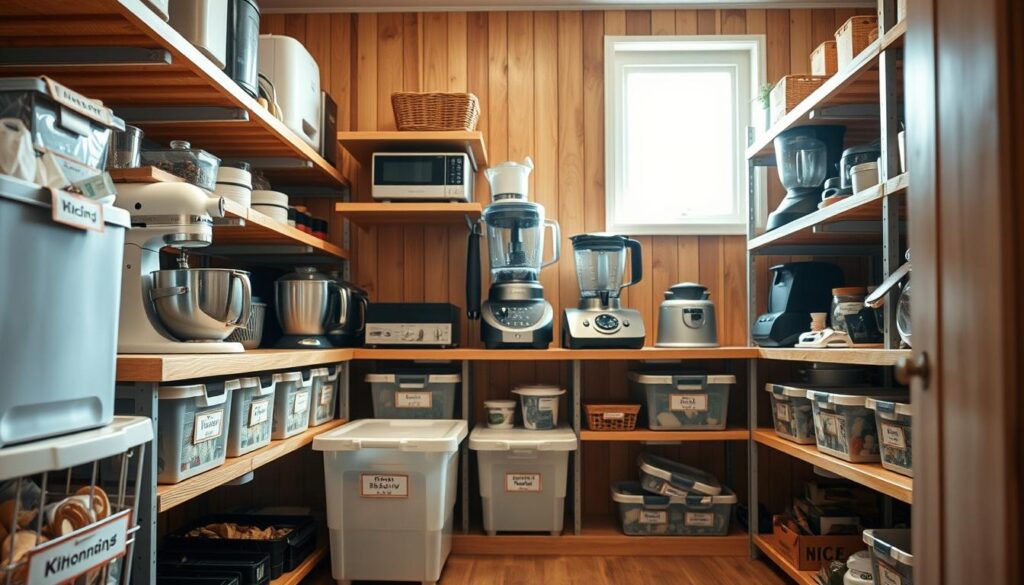
Declutter first so you only keep what you use
Pull every device out and group like with like. Professional organizers note many people buy more than they need, then never use those extras.
Decide with one rule: if it hasn’t been used in months, it costs you space and adds visual clutter.
- Quick test: if you can’t name the last time you used it, donate or store elsewhere.
- Keep one specialist gadget per task instead of duplicates.
- Use a nearby cabinet or room for seasonal items you rarely touch.
Zone by when you use things
Group coffee gear near mugs and filters, baking tools near flour and sugar, and cooking gear close to oils and spices. Zoning cuts steps and speeds your routine.
Choose locations by frequency, not just what fits
Keep frequently used, heavy items at easy-grab height and low for safety. Lighter or seldom-used gadgets can go higher or farther back. In a small kitchen, this rule protects your back while making prep faster.
Storing large appliances safely on pantry shelves and in cabinets
Keep heavy gear low and easy to reach so you avoid awkward lifts and drops.
Reserve the lowest shelves or base cabinets for the bulkiest items. Place a stand mixer, air fryer, or slow cooker at hip height or lower to cut injury risk and accidental falls.
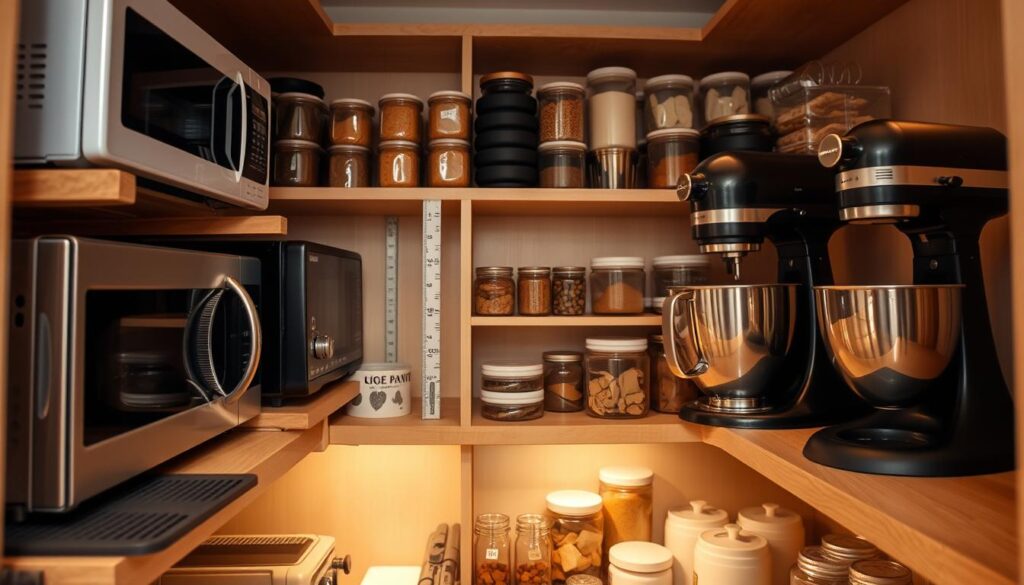
Make pull-out shelves work for you
Use slide-out drawers or pull-out shelves to bring a heavy machine to the edge before lifting. This reduces deadlifting from the back of a shelf and keeps the motion controlled.
Fit and reinforce for safety
- Measure shelf depth and allow extra clearance for tall handles and vents.
- Avoid top-shelf storage for anything you must lift above shoulder height.
- Reinforce frequent-use shelves with strong brackets or thicker boards and check weight ratings.
Accessibility check: if you can’t slide an item out in one smooth move, move it lower. That quick test keeps your kitchen tidy and your back safer.
Set up a “lift-and-store” system that protects you, your pantry, and your appliances
Set up a repeatable way to move heavy items so every transfer is safe and predictable. A short routine reduces spills, drops, and strain while keeping your counter clear.
Create a clear landing zone near your countertop
Designate a tidy area next to your counter as the landing place. Pull an item from the shelf, set it down on the landing zone, plug in or use, let it cool, then return it the same way.
This consistent flow prevents you from balancing a heavy appliance over clutter and cutting corners that cause accidents.
Store attachments and loose parts together
Keep beaters, blades, lids, and small maker add-ons in one kit so parts don’t slip off shelves. Wire containers or baskets work well during transport.
Use bins or baskets to keep small tools visible
- Label bins for coffee accessories, blender bits, and toaster tools.
- Choose open baskets so you can see items at a glance.
- Wipe parts dry before packing to avoid trapping crumbs near food.
Make the routine your habit. Doing the same safe way every time keeps your kitchen functional and prevents your pantry from turning into a pile of things you dread moving.
Maximize pantry and counter space with smart storage alternatives
Make the most of every inch by choosing storage that moves with your routine. Pick options that protect counters while keeping gear accessible for the way you cook each day.
Use a rolling cart for heavy tools
A rolling cart is ideal when you use a heavy stand mixer or microwave often but don’t want it on the counters all the time. Park the cart near your prep area and roll it to an outlet when you bake.
- Keep the cord coiled and use a hook so it won’t tangle.
- Choose wheels that lock and avoid crossing main walkways.
Try an appliance garage or closed-door cabinet
An appliance garage keeps devices at counter height behind doors. It reduces visual clutter and keeps small appliances ready without eating up counter space.
Deep drawers, modern shelving, and overflow spots
Move bulky items to deep drawers or lower cabinet space so pantry shelves breathe. If you need overflow, a dining or living room cabinet can hold occasional-use devices a few steps away.
- Use sturdy modular shelving if built-ins are scarce; keep heavy items low.
- Match the storage choice to your workflow so your pantry and counters stay functional.
Keep your pantry clean, clutter-free, and food-safe around appliances
Small habits can keep cords, crumbs, and manuals from taking over your pantry. A few minutes each day keeps your kitchen tidy and your food safer.
Wrap cords and keep wires tidy
Unplug when not in use and wrap cords with simple cable ties or Velcro straps. This prevents tangles and stops wires from snagging when you slide an appliance in or out.
Cord control protects the device and your shelves. Fewer tangles mean fewer drops and less wear on cords and cabinet edges.
Keep counters clear but practical
Reserve counters for true daily essentials to cut cleaning time. Leave out a coffee setup or toaster only if you use it every morning.
Replace paper manuals with digital files
Scan or bookmark PDFs and save links in a “Kitchen Appliances” note on your phone. This frees drawer space and helps you find instructions fast when you need them.
- Wipe appliances clean before you return them to storage to avoid food residue.
- Spend five minutes each evening resetting one shelf or counter to prevent clutter build-up.
Conclusion
A short plan lets you protect your back and keep gear where you can reach it.
Start by decluttering, zone by workflow, and place heavy appliances low by frequency. Then add pull-outs or a rolling cart to make access smooth and repeatable.
Keep one safety rule front and center: store heavy items so you never lift above shoulder height. That simple habit cuts strain and prevents drops.
Small upgrades matter: use labeled bins for parts, set a clear landing zone, wrap cords, and digitize manuals to free drawer space.
More storage isn’t always the answer. Better placement and fewer unused items create usable room fast.
Pick one change today—move a mixer lower or add a pull-out—and you’ll find cooking feels easier and your kitchen stays tidier.