
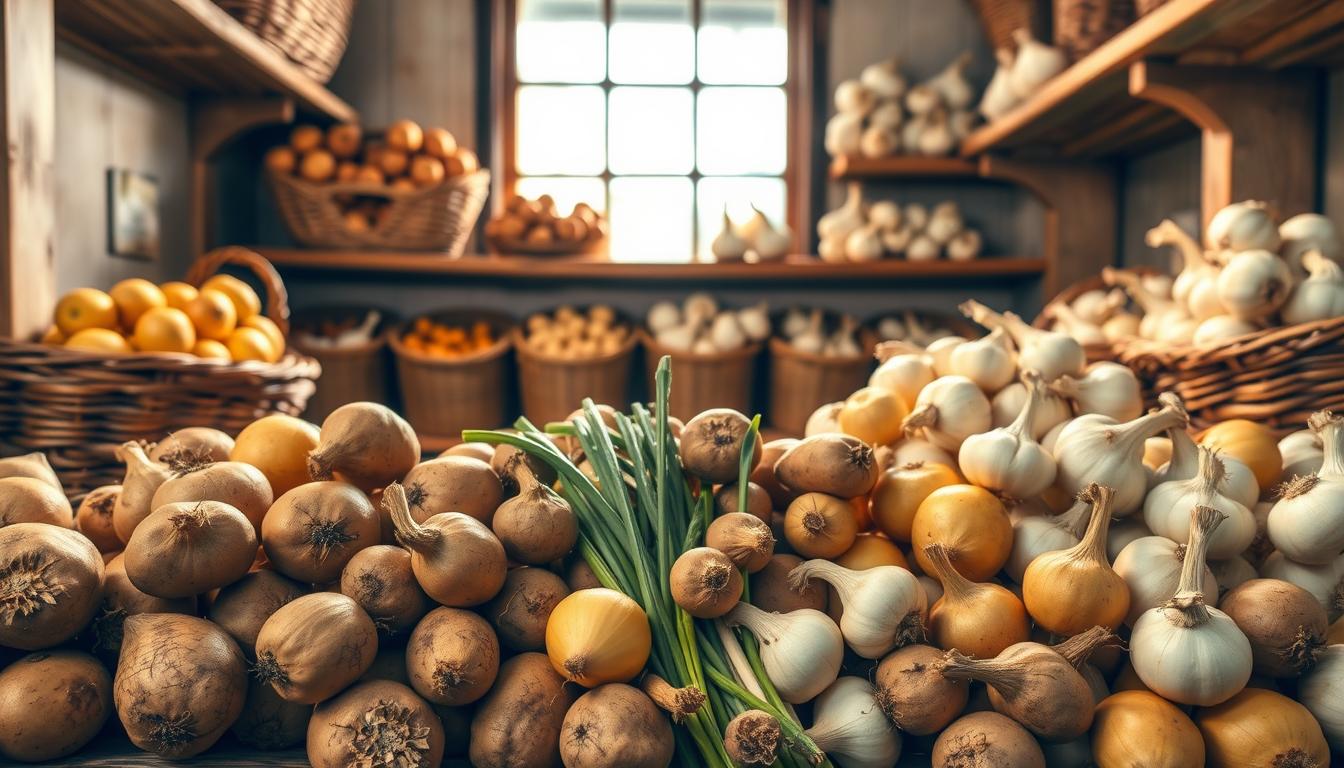
You can keep potatoes, onions, and garlic usable for weeks or months with simple pantry or basement arrangements. This guide shows practical ways to mimic a true cellar without electricity, so your staples last through winter.
What you’ll aim for: cool temperatures, steady humidity, darkness, and good airflow. Those four pillars are the backbone of successful storage and explain why some methods fail.
Potatoes are tubers often grouped with root vegetables, while onions and garlic are bulbs with drier needs. Knowing that difference helps you pick the right approach for each crop.
Storing bulk buys or your harvest saves money and prevents waste. One bad item can spoil the batch, so you’ll learn how to inspect and remove soft or rotting pieces early.
What’s next: we’ll cover curing, setting up a cool zone in your home, then specific methods for potatoes and for onions and garlic. Follow these steps and your food will stay usable longer with little fuss.
What Makes Pantry Storage Work for Potatoes, Onions, and Garlic
Small changes in temperature, humidity, and airflow can add weeks to your harvest’s usable life. Get these four basics right—cool, dark, ventilated, and the right moisture level—and the rest of the methods will fall into place.
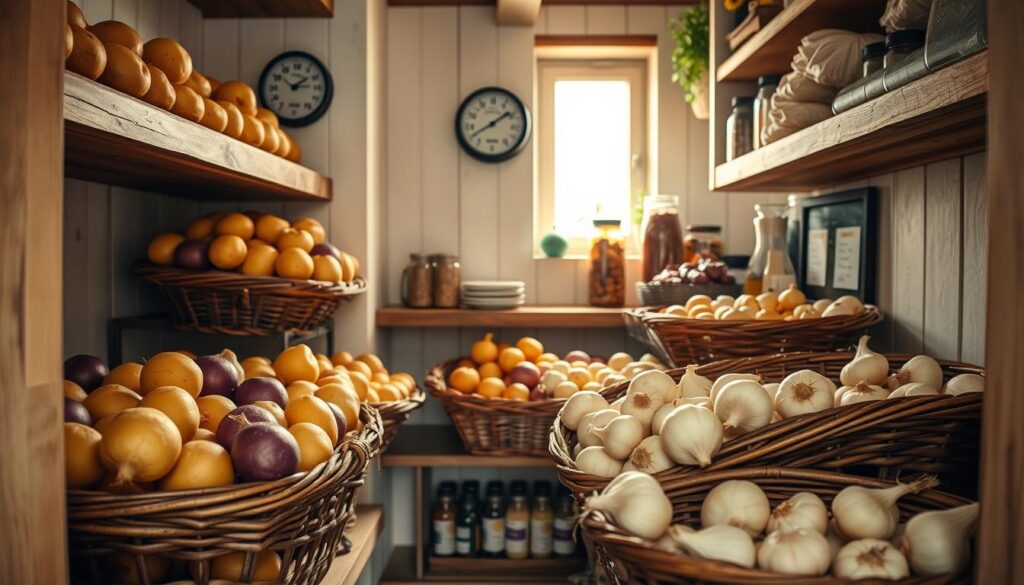
Temperature targets and why warmth hurts
Potatoes prefer cool conditions near 32–40°F without freezing. Onions and garlic do better a bit warmer and drier, about 40–50°F.
Warm spots speed sprouting and decay. A pantry near heat or sunlight shortens shelf life fast.
When humidity helps and when it harms
High humidity keeps carrots and beets crisp, but wet surfaces invite rot. Onions and garlic need lower humidity so skins stay protective.
If your basement is too dry, place a pan of water to raise moisture slightly. Avoid condensation on produce — that leads to mildew.
Darkness, airflow, and ethylene control
Dark storage slows greening and sprouting. Use opaque but vented containers to block light yet allow air.
Good ventilation prevents fungus, stops bins from “sweating,” and lets ethylene from fruits escape. Keep apples and other ethylene producers separated.
- Quick link: Learn curing and container choices next to make these targets practical.
Harvest and Cure First for Longer Storage Time
The moment you lift produce from the ground matters — proper curing next is what lets it last. Harvest mature crops and sort them: select firm, unblemished items for long-term storage and set aside cracked or undersized pieces for immediate use.
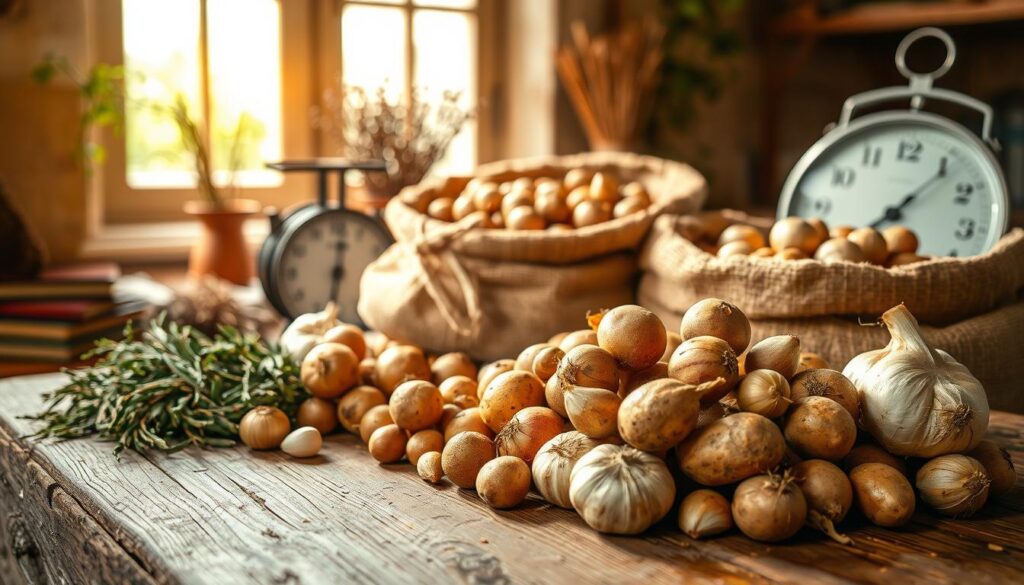
Trim and sort for best results. Cut tops to about one inch on many roots and remove dirt by brushing. Do not wash — water forces moisture into skins and raises rot risk.
- Keep worm-holed or cut items out of the storage batch to prevent spread.
- Cure potatoes at about 55–60°F on screens or racks so skins harden before cool storage.
- Cure onions and garlic warmer, roughly 70–80°F, in shade with strong airflow to dry necks.
Stage crops on racks, shelves, or screens so air moves all around. Properly cured produce will store for months; skipped curing shortens storage time to weeks and invites decay.
Storing root vegetables: Set Up the Right Pantry Space (No Root Cellar Needed)
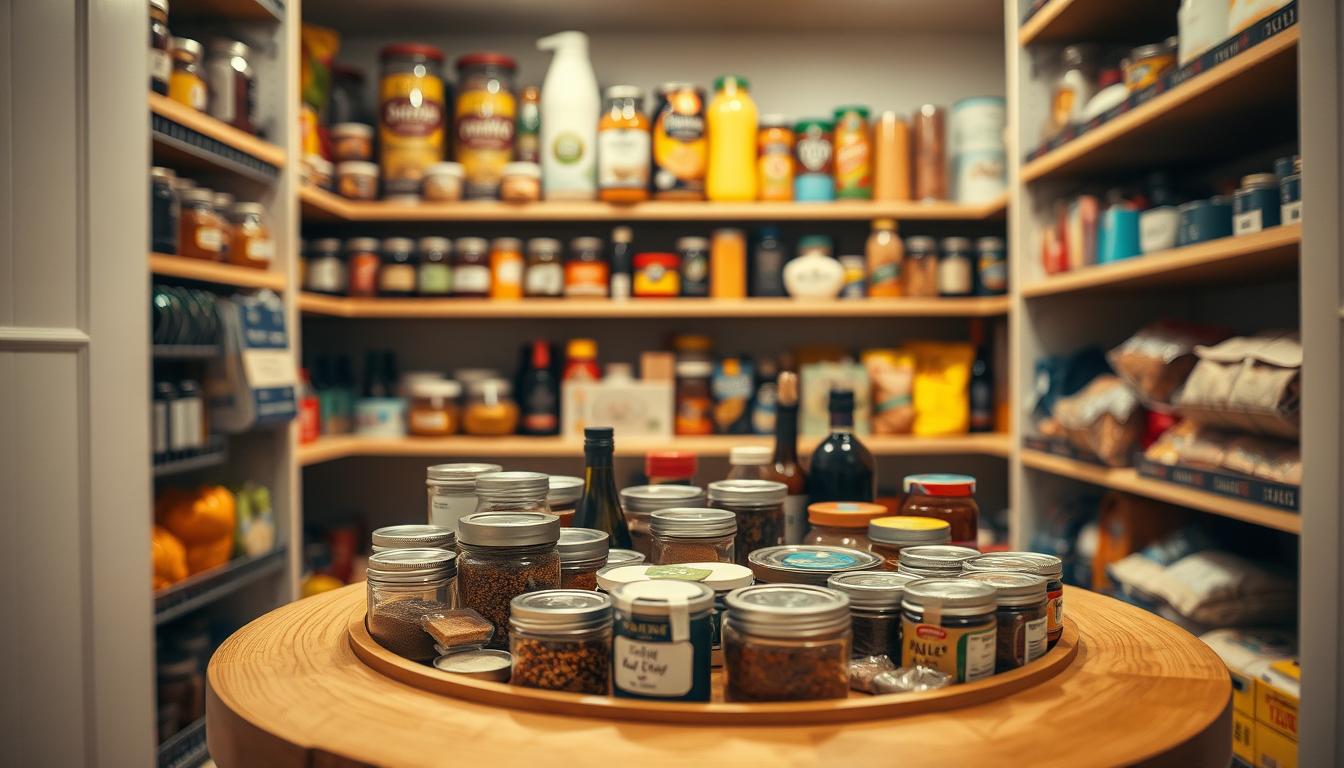
Find a naturally cool corner in your home and you can mimic a cellar without digging. Good no-root-cellar options include an unheated garage, a cool mudroom, a basement corner, or a north-facing room that stays above freezing through winter.
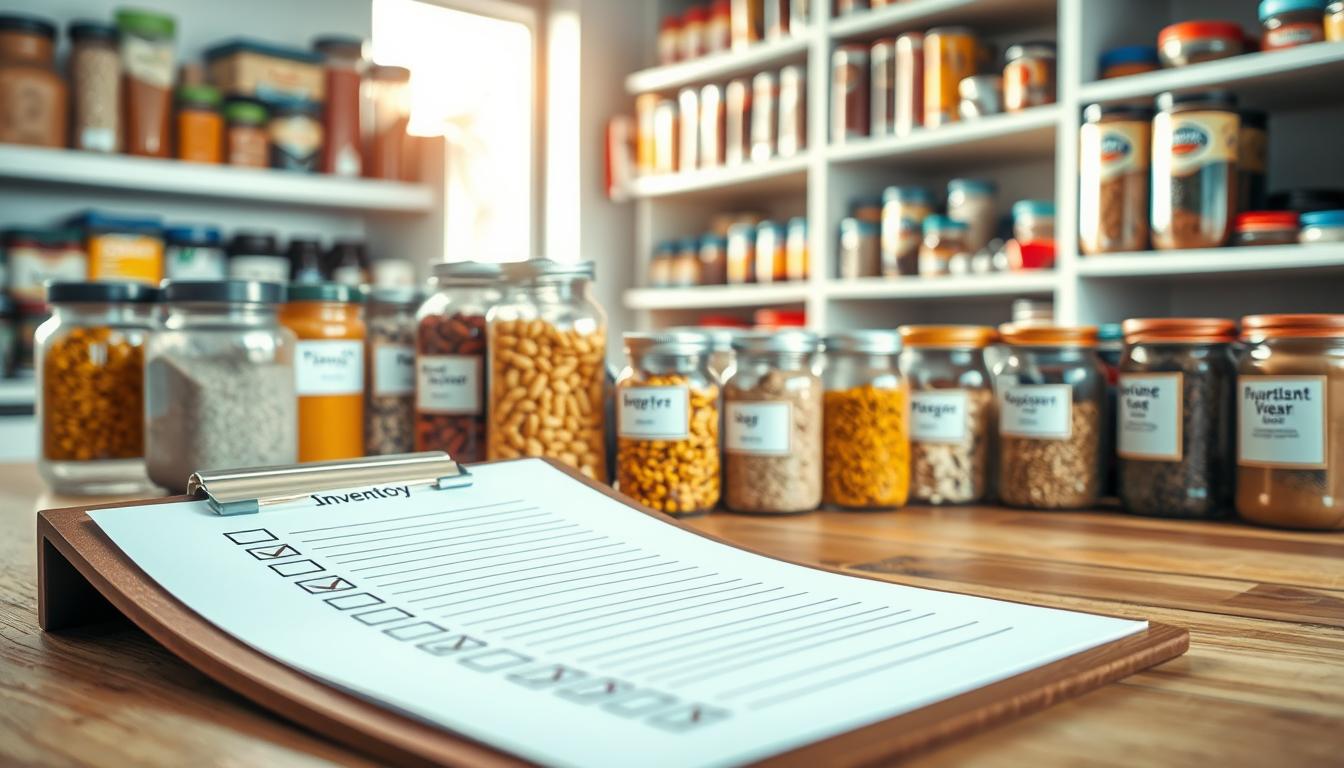
Use a thermometer and a hygrometer so you can track conditions over weeks. That lets you spot swings and act before crops soften or mold.
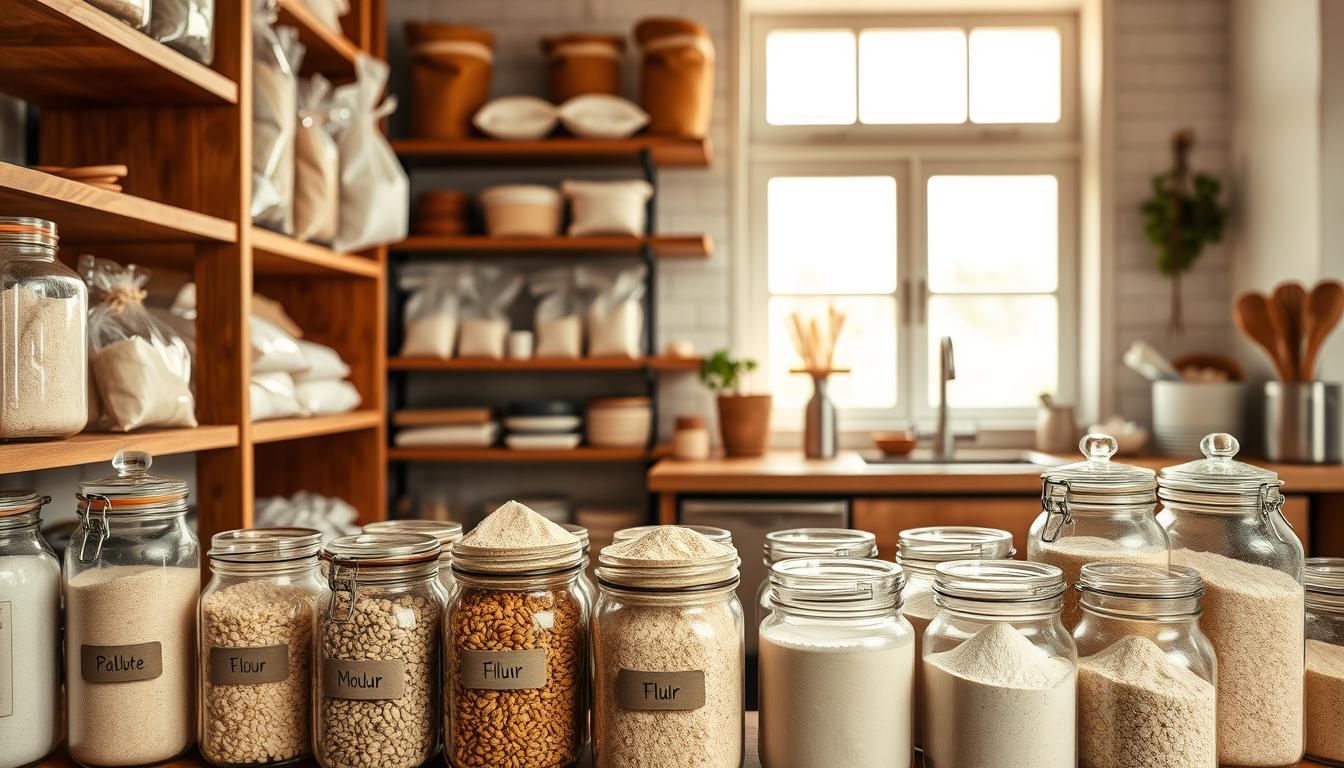
- Choose containers by moisture needs: ventilated bags and baskets for dry-stored items; sturdy plastic totes for layering in slightly damp sand or soil.
- Avoid airtight lids: sealed plastic traps moisture and gases. Vent lids or crack them to keep air moving.
- Layout tips: keep layers shallow, don’t overstack, and leave gaps for air so lower items don’t bruise or sweat.
- Control humidity: if the room is too dry, add a pan of water; if it’s too damp, increase ventilation or move containers to a drier place.
With the right space, simple tools, and mindful containers, your pantry can act like a root cellar and help produce store well all winter.
How to Store Potatoes Correctly in a Pantry or Basement
Treat potatoes gently and give them cool, dark air, and they will keep far longer. Aim for a dark, cool, and well-ventilated place such as a basement corner, insulated cold room, or a north-facing pantry that stays above freezing.
Container options matter. Use paper bags, wicker baskets, ventilated bins, or lidded containers with airflow so potatoes don’t sweat. Avoid sealed plastic tubs; if you use plastic, choose ones with holes. Keep layers shallow to prevent bruises.
Keep potatoes away from onions. Onions release gases that speed spoilage, so store each on different shelves, in separate closets, or at opposite ends of the same room when space is tight.
A fridge or refrigerator is usually a poor choice for bulk potatoes. Cold, damp fridge air turns starch to sugar and can ruin texture. Use a cool pantry, garage, or cellar alternative instead.
- With proper curing and conditions, expect about 5–8 months of usable life.
- Check weekly and remove any soft or leaking tubers right away—one bad potato can spoil nearby ones.
- Handle gently, keep shallow layers, and rotate stock so older items get used first.
How to Store Onions and Garlic So They Stay Dry and Don’t Sprout
A cool, dry corner and the right hang or bag method will slow sprouting and spoilage of alliums.
Only store cured bulbs: wait until necks and outer skins are fully dry from curing with strong airflow. Properly cured onions and garlic are ready for long-term pantry or a root cellar alternative.
Best containers and hanging methods
- Mesh produce bags, burlap sacks (kept open), and shallow baskets give excellent airflow.
- Hanging in stockings, stringing onions, or braiding garlic keeps bulbs exposed to air and prevents contact damage.
- Avoid airtight plastic; sealed containers trap moisture and speed decay.
Ideal range and spacing rules
Aim for cool-and-dry conditions—roughly 40–50°F and under 60% humidity. An unheated room is better than a cold, damp cellar corner; cold and wet air softens skins and encourages mold.
Keep layers shallow (one layer ideal, no more than two) and leave space around bags and baskets. Check bulbs weekly, remove any soft or sprouting pieces, and plan on about 4–6 months of usable life for most storage onions and garlic.
Conclusion
Think of storage as a set of choices—temperature, humidity, light, and airflow—and match each crop to the best combo for lasting results.
Make-or-break steps: cure crops properly and never wash before you store. Wet skins invite rot and shorten life quickly.
Keep potatoes separated from onions and garlic, and remove any soft or suspect items before they touch the main pile.
Set a quick routine: check bins weekly, pull soft or sprouting pieces, and rotate so older items get used first. Use your coolest non-freezing room for bulk storage and reserve the fridge for short-term or cut items.
Next step: pick the location, measure conditions, choose containers, label dates, and track what lasts best. With this plan you can store carrots, beets, and radishes longer and waste less from your harvest.